
Finding a genuine drum stick original is essential for any drummer who wants consistent playability and long-lasting gear. Counterfeit drum accessories have flooded online marketplaces, making it easy to end up with sub-par replicas. Distinguishing a genuine product from a counterfeit requires an eye for detail, from inspecting the alignment of the printed logo to assessing the density of the wood grain and performing a quick roll test on a flat surface.
In tropical environments like the Philippines, where high relative humidity and temperature fluctuations can rapidly warp poorly seasoned wood, using authentic, properly dried sticks is even more critical. Cheap counterfeits fail to withstand these climatic pressures, often warping before they even touch a drumhead. Knowing how to verify your gear ensures you get the performance you pay for while protecting your hands and your kit.
Why Counterfeit Drum Sticks Compromise Your Playing
Using counterfeit drum sticks does more than just hurt your wallet; it directly compromises your hand technique and physical health. Original sticks are manufactured to strict weight and balance tolerances, ensuring that each stick in a pair behaves identically. Counterfeits, however, often feature mismatched weights and off-center balance points, which force your wrists to work harder to compensate for the uneven rebound. Over long practice sessions, this imbalance can lead to muscle fatigue, uneven hand development, and even chronic wrist strain or tendonitis.
Products mentioned in this guide
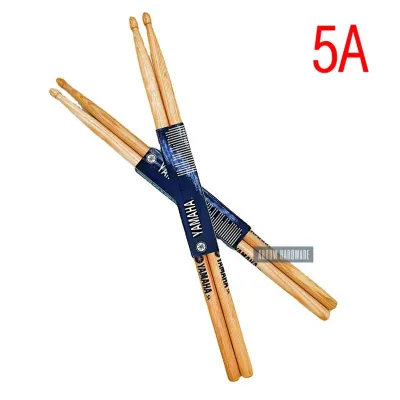
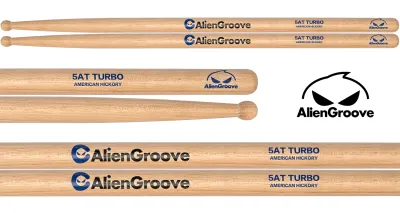
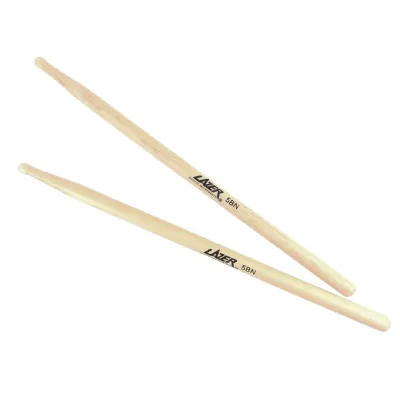
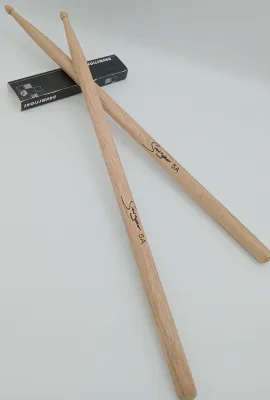
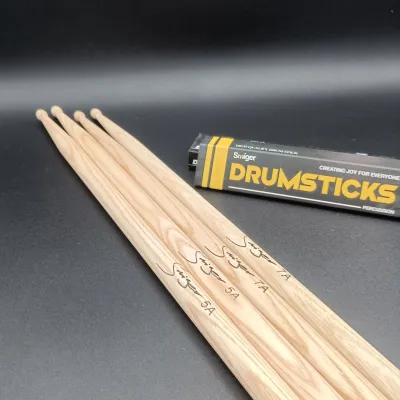
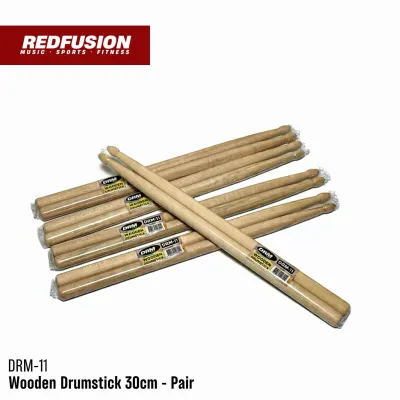
Prices are valid at publication and may change. Please refer to the product page for the latest price.
Durability is another major casualty when using fake sticks. Genuine manufacturers select premium, slow-growth hardwoods that are carefully dried to specific moisture levels to maximize shock absorption and strength. Counterfeiters typically use cheap, fast-growing, or poorly seasoned timber that is brittle and prone to structural failure. Consequently, these imitation sticks often splinter, crack, or snap prematurely along the grain during routine rimshots or cymbal crashes, posing a physical hazard to your eyes and anyone nearby.
Furthermore, the rebound and overall tactile feel of a drum stick are crucial for executing precise strokes, fast rolls, and subtle ghost notes. When a stick lacks the proper internal density, it absorbs the energy of your stroke rather than reflecting it off the drumhead. This deadened response robs you of dynamic control, making it incredibly difficult to maintain consistent volume levels or execute advanced rudiments with clarity.
Identifying a Drum Stick Original: Visual and Physical Signs
Packaging, Printing, and Branding
The first line of defense against counterfeit drum sticks is a meticulous inspection of the exterior packaging and branding. Genuine manufacturers invest heavily in high-quality printing machinery, resulting in sharp, solid, and perfectly aligned logos on both the sleeve and the wood itself. Counterfeiters often use cheaper, low-resolution printing methods that leave behind blurry edges, faint ink coverage, or misaligned text where the colors bleed into the wood fibers. Take a close look at the brand name; spelling mistakes or slightly altered font styles are immediate red flags.

Examine the paper or plastic sleeves that hold the pair together. Authentic sleeves are made from durable, thick cardstock or heavy-duty plastic, featuring clean cuts, precise folds, and standardized hanging holes for retail displays. Replicas frequently use flimsy, thin paper sleeves that tear easily, or plastic wraps that feel brittle and cheap. Additionally, check the alignment of the sleeve; if it is glued crookedly or fits too loosely around the sticks, it is highly likely a counterfeit.
You should also look for official identification markers such as batch numbers, barcodes, or specialized holographic stickers. Reputable drum stick brands often print unique production codes directly on the sleeve or stamp them onto the wood. If you suspect your sticks are fake, you can cross-reference these numbers with the manufacturer’s official database or website. The absence of these tracking codes, or the presence of a generic barcode that does not match the specific model and wood type, strongly suggests a fake product.
Wood Grain, Weight, and Craftsmanship
The quality of the wood itself is the most difficult element for counterfeiters to replicate, making it an excellent point of comparison. Premium original sticks are typically crafted from high-grade hickory, maple, or Japanese oak, which feature tight, straight, and consistent grain patterns running along the entire length of the shaft. When inspecting a stick, look for wild, swirling, or diagonal grain patterns that run off the side of the shaft, as well as severe discoloration or dark knots. These visual defects indicate low-grade wood that is highly prone to snapping and is rarely used by top-tier manufacturers.
Weight consistency is another critical indicator of authenticity. While wood is a natural material and minor weight variations can occur, original manufacturers use advanced weight-sorting technology to match pairs within a tiny fraction of an ounce. If you pick up a pair of suspected fakes and feel a noticeable weight difference between the left and right sticks, you are likely holding counterfeits. A simple digital scale can easily reveal these discrepancies; a variance of more than two or three grams between sticks of the same pair is highly unusual for genuine premium models.
Finally, pay close attention to the overall finish and craftsmanship of the sticks. Run your fingers down the shaft to feel for rough spots, uneven sanding, or a sticky, excessively thick lacquer coat. Original sticks undergo rigorous sanding and finishing processes to ensure a smooth, comfortable grip that resists sweat. Inspect the tips as well; whether they are wood or nylon, they should be perfectly symmetrical and securely attached. Asymmetrical acorn, round, or barrel tips, or nylon tips that show visible glue squeeze-out or wobble under pressure, are classic signs of poor counterfeit manufacturing.
How to Verify Authenticity Before and After Purchase
Performing a few simple, non-destructive tests can quickly confirm whether your drum sticks are genuine or clever imitations. One of the most effective methods used by professional drummers is the “tap test.” Hold each stick lightly by the butt end and tap them together, or tap them individually on a hard, resonant surface like a wooden table or a practice pad. Listen closely to the pitch of the ring; a genuine pair of weight-matched and tone-paired sticks will produce almost identical pitches. Counterfeits, made from mismatched pieces of cheap wood with varying moisture levels, will sound completely different from one another, with one producing a dull thud and the other a high-pitched ring.
Another reliable physical test is the “roll test,” which helps identify warping or bowing that exceeds strict manufacturing tolerances. Place the drum stick on a perfectly flat surface, such as a glass countertop or a polished table, and roll it back and forth with your palm. Watch the tip of the stick closely as it rolls; if the tip wobbles up and down, or if you can see light passing underneath the middle of the shaft as it rotates, the stick is warped. While extreme humidity changes in tropical regions like the Philippines can occasionally cause minor warping in genuine sticks over time, brand-new original sticks should roll smoothly without any noticeable wobble.
To further secure your purchase, always consult the manufacturer’s official website. Leading drum stick brands frequently publish dedicated anti-counterfeit guides, detailing the exact dimensions, weight ranges, and logo placements for their current product lines. Some brands even offer online verification tools where you can input the serial or batch numbers printed on the packaging.
Keep in mind that no single visual or physical anomaly guarantees a stick is counterfeit. Natural wood can occasionally display minor aesthetic variations, and shipping conditions can sometimes affect a product’s appearance. You must weigh multiple factors together—such as printing quality, weight balance, pitch matching, and overall finish—and compare them directly against the manufacturer’s official specifications before making a final judgment.
Choosing Reliable Channels for Original Drum Sticks
Navigating the local market in the Philippines requires caution, as counterfeit musical accessories are widely distributed through unauthorized channels. To guarantee you are purchasing a genuine drum stick original, your safest option is to buy directly from authorized music retailers, official brand flagship stores, or long-standing, reputable local music shops. These established businesses source their inventory directly from the manufacturers or licensed distributors, ensuring strict quality control and authentic products.
When shopping on e-commerce platforms and online marketplaces, you must remain highly vigilant. A major warning sign of counterfeit goods is a price that is significantly below the standard market average. For example, if a premium pair of imported hickory sticks typically retails for ₱600 to ₱900 in physical stores, an online listing offering the exact same model for ₱150 is almost certainly selling a fake. Additionally, be wary of sellers with generic store names, poor user ratings, a high volume of negative reviews complaining about broken sticks, or those who do not offer a clear, hassle-free return policy.
Before committing to an online purchase from a third-party merchant, take a moment to verify their authorization status. Many premium drum stick brands feature a “dealer locator” or a list of authorized online partners on their official websites. If a seller claims to offer genuine products but is not listed as an authorized dealer, or if they refuse to provide proof of their sourcing, it is best to walk away and purchase from a verified source to protect your investment and your drum kit.
What to Do If You Receive Suspected Counterfeits
If you suspect that the drum sticks you received are counterfeit, acting quickly is essential to secure a refund and stop dishonest sellers. Begin by documenting all the discrepancies you have identified. Take clear, well-lit photographs of the blurry logos, uneven wood grain, asymmetrical tips, warped shafts, or flimsy packaging. If you performed a weight test, take a photo of each stick on a digital scale to clearly show the weight mismatch. This visual evidence will be crucial when filing a dispute.
Next, contact the seller immediately through the platform’s messaging system to request a full refund or a replacement. State clearly that the item you received is not genuine and does not match the product description. Reputable sellers who may have unknowingly sourced bad inventory will often resolve the issue quickly to protect their store rating. If the seller is uncooperative, evasive, or refuses to offer a refund, escalate the issue by opening a formal dispute with the e-commerce platform, submitting your documented photos as proof.
You should also report the suspicious listing directly to the online marketplace to help protect other musicians from falling into the same trap. Most platforms have dedicated reporting tools for intellectual property violations or counterfeit goods. Finally, if you are still unsure about the authenticity of your sticks or if the seller disputes your claim, consider reaching out to the brand’s official customer support channel. Sending them your photos and purchase details can provide definitive proof of counterfeiting, which you can then use to finalize your refund claim.
Frequently Asked Questions (FAQ)
Can fake drum sticks damage my drum heads or cymbals?
Yes, counterfeit drum sticks can cause significant and costly damage to your drum kit. Because fakes are often made with poor quality control, they frequently feature rough, unsanded finishes, exposed wood splinters, and asymmetrical or sharp tips. When these imperfect tips strike a drumhead, they create uneven pressure points that can easily dent or puncture the plastic film. Furthermore, poorly shaped wood or nylon tips can cause deep scratches, pitting, or premature keyholing on expensive cymbals, leading to cracks that ruin their sound.
Do original drum sticks always have perfectly matched weights?
While premium manufacturers use highly advanced weight-sorting and tone-matching technologies, original drum sticks are still made from natural wood, which inherently possesses minor variations in density and moisture content. Because of this, a tiny weight difference of one to two grams between sticks in a genuine pair is entirely normal and usually imperceptible to most players. However, glaring weight mismatches of five grams or more, or sticks that feel completely unbalanced when held, are strong indicators of counterfeit manufacturing where no weight-sorting occurred.
Is it safe to buy unbranded or generic drum sticks instead of risking fakes?
Yes, purchasing transparently marketed generic or house-brand drum sticks from a reputable music store is a much safer and more reliable option than buying cheap, branded counterfeits. Reputable music retailers often produce their own budget-friendly lines using decent-quality maple or hickory. These generic sticks do not pretend to be premium brands, meaning you pay a fair price for honest quality. They are manufactured under basic quality control standards, making them far more consistent and durable than illegal counterfeits that prioritize deceptive branding over structural integrity.
Community discussion
Share your experience or ask a question. Comments are reviewed before publication.