
Buying memorabilia from your favorite idol group is a major milestone for any dedicated collector. When you are looking to secure authentic ahof merch, navigating the secondary market can feel like a high-stakes guessing game. With the rising popularity of global music groups, the market has seen a surge in unauthorized replicas that closely mimic official items. Distinguishing between a genuine release and a clever counterfeit requires a sharp eye, a systematic approach, and an understanding of the specific production standards used by official manufacturers.
For collectors in the Philippines, the challenge is amplified by shipping distances, reliance on third-party resellers, and the premium prices paid in Philippine Pesos (₱). A single mistake can mean spending thousands of pesos on a low-quality bootleg instead of a prized, official collectible. By learning how to analyze physical details, verify digital security features, and source your items from authorized channels, you can protect your hard-earned budget and ensure your collection consists entirely of legitimate releases.
Why Authenticity Matters for AHOF Merchandise
The market for idol merchandise has expanded rapidly, bringing with it a highly sophisticated network of counterfeit manufacturers. These bootleggers target everything from limited-edition albums and collectible photocards to apparel, lightsticks, and specialized accessories. Because these replica items are designed to look as close to the original as possible, unsuspecting fans often purchase them at full retail price, only to realize later that they have acquired a counterfeit product. Recognizing the difference is not just about aesthetic pride; it is about protecting your investment as a collector.
Products mentioned in this guide
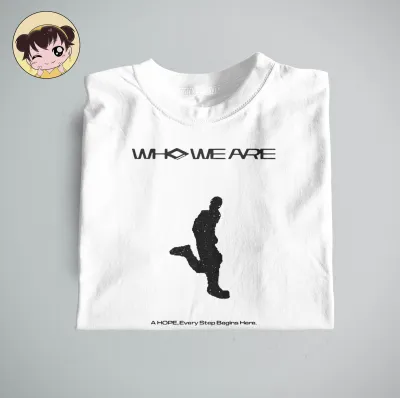
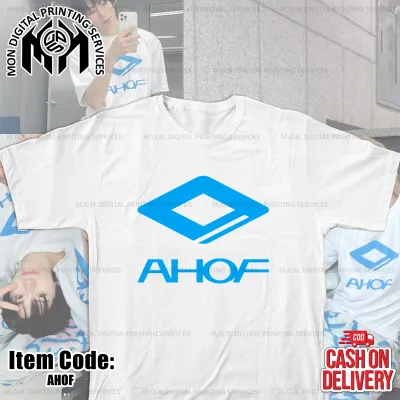
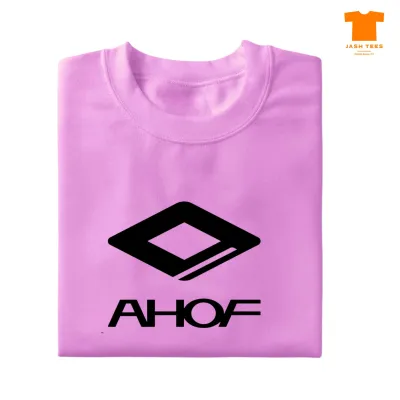
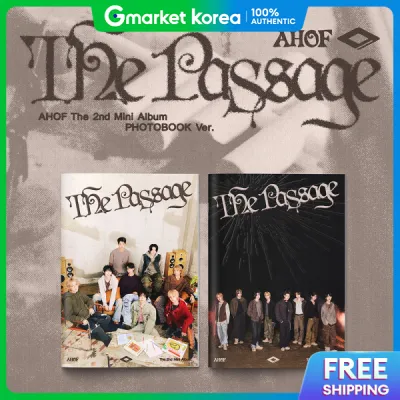
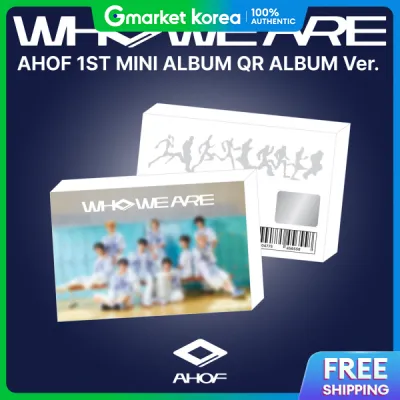

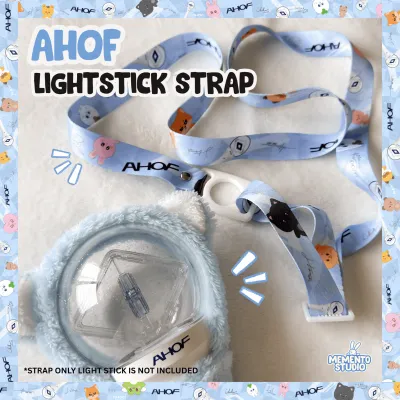
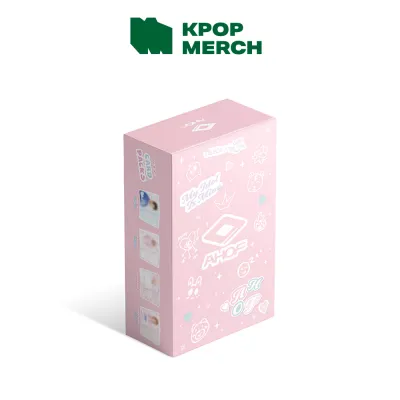
Prices are valid at publication and may change. Please refer to the product page for the latest price.
When you purchase official ahof merch, your money directly supports the artists, their creative team, and the production of future music, music videos, and live events. The revenue generated from official sales is a primary metric that agencies use to plan international tours, schedule fan meetings, and fund high-quality comeback concepts. Conversely, buying counterfeit goods redirects financial support away from the group and into the pockets of unauthorized third parties who exploit the fandom’s passion for profit.
Furthermore, official merchandise is manufactured under strict quality control standards that ensure safety, durability, and premium materials. Counterfeit items often bypass these safety protocols entirely. Replicas of electronic items, such as lightsticks or USB drives, frequently utilize substandard wiring and cheap batteries that pose overheating or leakage risks. For paper collectibles like photocards, fake versions lack the archival-grade coatings of genuine items, making them highly susceptible to fading, peeling, and environmental damage over time.
How to Spot Fake AHOF Merch: Physical and Visual Cues
Identifying counterfeit items begins with a meticulous physical inspection immediately after your package arrives. It is highly recommended to perform this inspection in a well-lit room, preferably under natural daylight or a bright, neutral LED lamp. Shadows and warm indoor lighting can easily mask subtle color discrepancies, low-resolution printing patterns, and texture differences that immediately expose a replica.

Before making any final judgments, you should always compare your physical item against high-resolution reference photos. These can be sourced from the group’s official social media channels, authorized distributor websites, or trusted community unboxing videos. Having a reliable baseline reference allows you to spot minor deviations in alignment, border widths, and color grading that might otherwise go unnoticed.
Packaging, Holograms, and Security Seals
The outer packaging of official merchandise serves as the first line of defense against counterfeiting. Genuine items are typically wrapped in high-quality, heavy-duty shrink wrap or sealed with thick, factory-applied adhesive strips that tear cleanly when opened. The plastic wrapping should feel smooth and taut against the product box. In contrast, counterfeit items often arrive in flimsy, loose, or crinkly plastic wrapping that is easily torn or shows irregular heat-seal lines along the edges.
Official items almost always feature specialized anti-counterfeit holographic security stickers or custom-designed seals on the back or bottom of the packaging. When you tilt a genuine holographic sticker under a light source, the colors should shift smoothly, and the embedded patterns or logos should remain sharp and clearly legible. Fake merchandise often uses flat-printed, non-reflective stickers or low-quality holograms where the image appears blurry, static, or lacks a distinct color-shifting effect when rotated.
In the tropical climate of the Philippines, environmental factors can also help you evaluate packaging materials. Official packaging utilizes moisture-resistant cardboard and high-grade plastics designed to withstand environmental shifts. Counterfeit packaging often uses cheap, untreated paperboard that absorbs moisture rapidly in high humidity, causing the box to feel unusually soft, limp, or structurally compromised shortly after exposure to the air.
Print Quality, Colors, and Material Texture
Print quality is one of the most difficult elements for counterfeiters to replicate perfectly. Official photocards, album jackets, and poster prints are produced using industrial-grade offset printing presses that deliver incredibly sharp lines, smooth color gradients, and deep, consistent ink coverage. Under close inspection, the text on official items will be perfectly crisp, and the skin tones of the artists will look natural and vibrant.
Bootleg items, on the other hand, are often printed using high-end commercial digital printers or scanned copies of original designs. This process results in noticeable pixelation, tiny dot patterns (moiré patterns), and blurred edges along text and fine details. The colors on fake merchandise are frequently off-balance, appearing either heavily washed-out or overly saturated with an artificial reddish or yellowish tint. Additionally, the paper stock used for fake photocards is usually thinner, lighter, and lacks the signature rounded corners and smooth, matte or glossy protective laminate found on official releases.
If you are inspecting apparel or fabric-based merchandise, pay close attention to the weight and texture of the material. Official garments are made from premium, heavy-weight cotton blends or specialized synthetic fabrics that feel substantial and hold their shape. Counterfeit apparel typically uses thin, scratchy, and lightweight fabrics that warp easily after a single wash. The stitching on genuine apparel is straight, dense, and finished with clean seams, whereas replicas often feature loose threads, uneven spacing, and crooked hems.
Official Tags, Logos, and Branding Details
Small branding details are frequently overlooked by counterfeit manufacturers who prioritize speed and low production costs. When examining your item, look closely at the exact spelling of the group name, song titles, album credits, and manufacturer details. It is surprisingly common for counterfeit items to contain minor typographical errors, incorrect spacing, or outdated copyright years on the back covers or care labels.
Logos and official iconography must match the group’s official branding guidelines exactly. Check the font weights, the spacing between letters (kerning), and the alignment of the logo relative to the edges of the product. Counterfeits often feature logos that are slightly too thick, too thin, or visibly tilted. On clothing and bags, check the care tags and neck labels; official merchandise will have cleanly printed or woven tags with clear material compositions, official licensing text, and country-of-origin details, whereas fakes may have generic blank tags or poorly printed labels with illegible text.
How to Verify Your AHOF Merch Step-by-Step
Once you have completed your initial physical inspection, you can utilize digital verification methods and community resources to confirm the authenticity of your purchase. Follow this structured verification process to ensure no detail is overlooked:
- Scan Official QR Codes and Verification Links: Many modern merchandise releases include a dedicated QR code or a scratch-off verification sticker on the packaging. Use your smartphone's native camera app to scan the code. Carefully check the URL of the landing page before interacting with it. Legitimate codes will redirect you strictly to the manufacturer's or agency's verified, official domain. If the link redirects to a suspicious third-party URL, a generic landing page, or displays a security warning, the item is highly likely to be counterfeit.
- Verify Edition, Language, and Content Completeness: Before finalizing your purchase or accepting a delivery, verify that the edition, language options, and included contents match the official product specifications. Check the tracklist, booklet page counts, and the exact number of included photocards or stickers. Counterfeit albums often omit specific lyric sheets, use incorrect language translations in the booklets, or package the wrong combination of regional inserts.
- Cross-Reference with Trusted Fan Communities: The global collector community is an invaluable resource for identifying fakes. Dedicated fan forums, database websites, and trusted unboxing creators regularly publish detailed comparison guides. Cross-reference your item's batch numbers, manufacturing dates, and photocard back-pattern variations with these established databases to see if your item's specific layout matches verified genuine copies.
- Inspect the Physical Card Cuts and Edge Nubs: For photocard collectors, look at the very edges of the card. Official photocards are printed on large sheets and machine-cut, which often leaves tiny, subtle circular tabs or "nubs" at specific points along the rounded corners. Counterfeit cards that are cut individually using manual corner rounders will have perfectly smooth, uniform edges but will lack these characteristic manufacturing marks.
Be highly cautious of sellers who try to bypass these steps by offering digital receipts, screenshots of order confirmations, or self-printed “certificates of authenticity.” These digital documents can be easily manipulated using basic photo editing software, or a single genuine receipt can be reused across dozens of different counterfeit transactions. Always prioritize the physical characteristics and security features of the actual item over any accompanying paperwork.
Where to Buy Official AHOF Merch Safely
The most effective way to avoid counterfeit goods is to establish a secure and reliable purchasing route from the very beginning. Whenever possible, buy directly from the group’s official global online store, authorized physical retail partners, or official pop-up events held during tours and promotions. Sourcing your items directly from these primary channels guarantees authenticity and ensures your funds directly support the artists.
When buying from third-party e-commerce platforms and online marketplaces, you must exercise a high level of caution. Protect yourself by adhering to the following purchasing guidelines:
- Scrutinize Seller Ratings and History: Only purchase from sellers with high positive feedback ratings and a long history of successful transactions. Avoid newly created accounts or stores with generic names.
- Analyze Customer Reviews with Photos: Look for recent reviews that contain unedited, high-resolution photos and videos of the actual product received by other buyers. Check if the buyers mention the presence of official holographic stickers and high-quality packaging.
- Avoid Suspiciously Low Prices: If a listing is priced significantly below the standard retail rate in Philippine Pesos (₱), it is almost certainly a counterfeit. Authentic merchandise carries manufacturing, licensing, and import costs that make extreme discounts financially impossible for legitimate sellers.
- Verify the Source of Group Orders: If you are participating in a group order (GO) organized on social media, ensure the group order manager (GOM) has a proven track record of reliable transactions, provides clear proof of purchase from authorized overseas distributors, and uses secure, trackable shipping methods.
Avoid purchasing from unverified social media accounts, direct message (DM) sellers, or classified ads where the seller cannot provide clear, real-time video proof of the item with a handwritten note containing their username and the current date. Legitimate sellers who have nothing to hide will gladly accommodate reasonable requests for verification photos.
What to Do If You Suspect Your Merch is Fake
If you receive an item and suspect it is counterfeit, it is crucial to act quickly and follow a structured dispute process to secure your funds. Do not open any sealed inner components, damage the packaging, or attempt to modify the item, as this can void your buyer protection on major e-commerce platforms.
First, document the entire unboxing and inspection process. In the local collecting community, filming a continuous, unedited unboxing video from the moment you cut open the courier’s shipping pouch is standard practice. Ensure the video clearly shows the shipping label, the tracking number, all sides of the unopened package, and the specific physical flaws, blurry prints, or missing security seals on the merchandise itself. Take clear, high-resolution close-up photos of the suspected counterfeit areas under good lighting.
Next, contact the e-commerce platform’s customer support team or your payment provider immediately to file a formal dispute or refund request. Submit your unboxing video, detailed photos, and a clear explanation of why the item is counterfeit, referencing the specific physical discrepancies you identified. Most reputable platforms have strict policies against the sale of counterfeit goods and will freeze the seller’s payout while they investigate your claim.
Finally, avoid confronting the seller aggressively or returning the item before the platform’s support team has formally instructed you to do so. Some dishonest sellers may attempt to persuade you to close the dispute under the promise of a private refund, only to block your account once the platform’s protection window closes. Keep all communications strictly within the platform’s official chat system to ensure your conversation history is fully documented and accessible to the dispute mediation team.
Frequently Asked Questions (FAQ)
Can I trust a seller if they provide an official store receipt?
No, you should not rely solely on a seller-provided store receipt as proof of authenticity. Digital and physical receipts can be easily cloned, photoshopped, or manipulated to display incorrect names, dates, and quantities. In other cases, a dishonest seller may purchase a single authentic item to obtain a genuine receipt, and then use that same receipt repeatedly to sell multiple counterfeit copies of the product. The ultimate proof of authenticity lies in the physical security features, print quality, and official holograms of the item itself, not the accompanying paperwork.
Are unofficial fan-made goods considered fake merchandise?
There is a distinct difference between unofficial fan-made goods and counterfeit merchandise. Counterfeit goods (or bootlegs) are designed to illegally copy official designs, trademarks, and logos with the explicit intent of deceiving buyers into believing they are purchasing official, licensed products. Fan-made goods, often referred to as fan art or fanmerch, are created by independent artists within the community. These items are clearly marketed as unofficial, do not mimic official product packaging, and are sold as creative tributes to the group rather than official releases.
Community discussion
Share your experience or ask a question. Comments are reviewed before publication.