
To verify if a Yamaha piano is original, you must check three primary areas: the serial number stamped on the cast-iron plate (acoustic) or back label (digital), the precise alignment and styling of the Yamaha logo, and the physical craftsmanship of the internal action and cabinet. In the Philippines, where the second-hand market is flooded with imported surplus instruments, understanding these details is crucial to protecting your investment. Ensuring you purchase a genuine piano yamaha original model is not just about the brand name; it is about securing an instrument that will perform reliably under local environmental conditions.
Why Authenticity Matters When Buying a Yamaha Piano
Investing in a piano is a major financial and musical decision. Authentic Yamaha pianos are celebrated worldwide for their exceptional engineering, precise action, and tonal consistency. When you buy a counterfeit or heavily modified instrument, you lose these core benefits, inheriting a host of structural and acoustic issues instead. Fake pianos are typically constructed from low-grade, unseasoned woods that cannot handle the immense tension of the strings, which can exceed twenty tons on an acoustic model.
In the tropical climate of the Philippines, where relative humidity levels frequently fluctuate, the quality of the wood is of paramount importance. Genuine Yamaha pianos destined for humid regions undergo specialized seasoning processes to ensure the wood remains stable. Substandard materials used in counterfeit pianos will swell, warp, or crack when exposed to local humidity. This structural warping leads to sluggish key movement, persistent tuning instability, and a rapid decline in sound projection.
Products mentioned in this guide
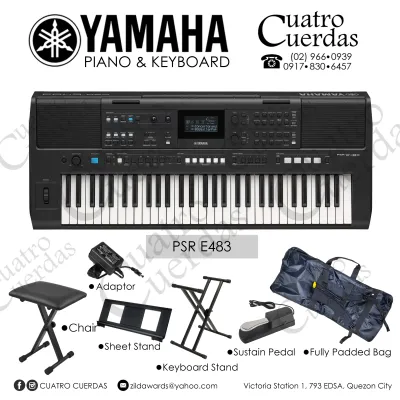
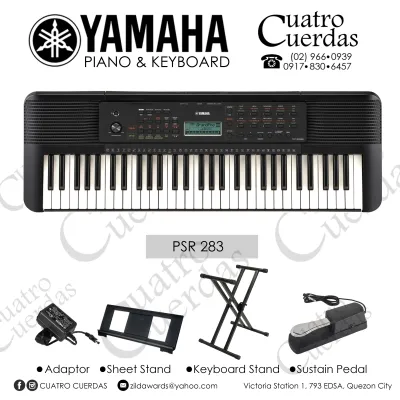
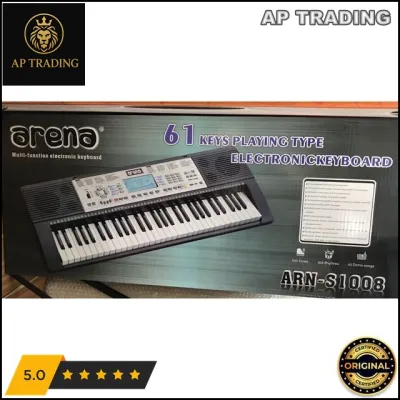
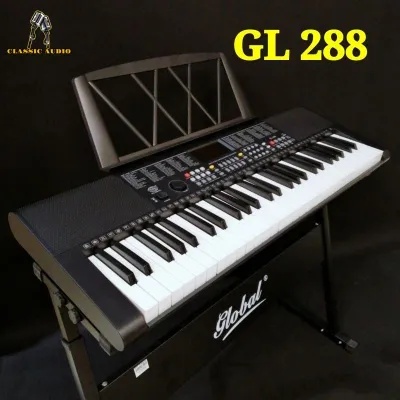
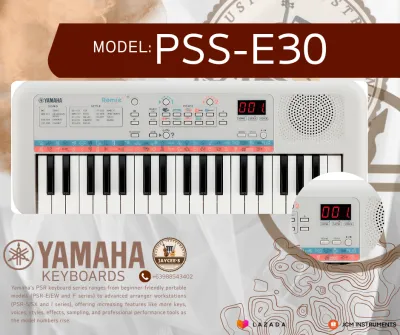
Prices are valid at publication and may change. Please refer to the product page for the latest price.
Furthermore, counterfeit instruments lack any form of official warranty support or manufacturer after-sales service. If a major component fails, authorized service centers will not service a non-genuine instrument, leaving you with a costly and unfixable piece of furniture. Purchasing an authentic instrument ensures that your investment retains its resale value and actively supports your musical development with accurate tactile and acoustic feedback.
Key Visual and Physical Signs of a Piano Yamaha Original
Identifying a genuine Yamaha piano requires a close, hands-on inspection of its physical features. Counterfeiters often replicate the outward appearance of the cabinet but fail to match the refined craftsmanship of the internal components and branding details.

Checking the Serial Number and Branding
To begin your inspection of an acoustic upright or grand piano, open the top lid and look inside at the gold-colored cast-iron plate. A genuine Yamaha piano features a serial number stamped in black ink directly onto the plate, or positioned within a dedicated rectangular cutout near the tuning pins on the right-hand side. On digital models, such as the Clavinova or Arius series, this identifier is printed on a manufacturer label located on the underside of the keybed or on the rear panel of the instrument.
Examine the brand logo on the fallboard (the key cover) and the iron plate with extreme care. The official Yamaha logo uses a highly specific, proprietary font where the middle joint of the letter “M” stops just short of the bottom alignment line. Additionally, check the tuning fork emblem; on musical instruments, the tips of the three forks are contained entirely within the outer circle, whereas the motorcycle division’s emblem features forks that project through the circle. Fake logos often look like cheap, slightly crooked stickers, or exhibit blurry printing and misaligned lettering.
Inspecting Build Quality, Keys, and Hardware
Play every single key across the keyboard to evaluate the consistency of the action. Genuine Yamaha keys possess a balanced, uniform weight and return to their resting position instantly without clicking, rattling, or catching. Run your fingers along the keytops to check for uniform spacing; uneven gaps or keys resting at different heights suggest low-quality manufacturing or a poorly executed keybed replacement.
Inspect the cabinet finish under bright, direct light. A genuine polished ebony finish is perfectly flat, mirror-like, and free of cloudy patches, bubbles, or rough wood grain texture. Turn your attention to the metal hardware, including the pedals, hinges, and fallboard screws. Authentic Yamaha hardware is made of solid, heavy brass or high-grade plated metal that operates smoothly without squeaking, while counterfeits often use lightweight, cheaply painted metals that show signs of early pitting or rust.
Common Red Flags in Counterfeit or Misrepresented Pianos
Understanding the common tactics used to disguise non-original instruments will help you spot a bad deal before handing over any money. One of the most prevalent risks in the secondary market is the “Frankenstein” piano, where parts from various unknown brands are assembled inside a genuine Yamaha cabinet, or a fake Yamaha logo is applied to a cheap, generic frame.
Always cross-reference the branding on the cabinet with the markings on the internal frame. If the fallboard displays the Yamaha name but the cast-iron plate is blank or features a different manufacturer’s name, the piano is a deceptive assembly. Another red flag is an iron plate that has been crudely spray-painted gold to cover up rust, cracks, or original brand markings; look for overspray on the wooden casing or felt dampers as evidence of this practice.
Be highly suspicious of pricing that seems too good to be true. For example, if a seller offers a legendary model like a Yamaha U1 or U3 upright piano in supposedly mint condition for under ₱50,000, the instrument is highly likely to be a counterfeit, a gray-market import with severe internal damage, or a scam. Genuine pre-owned Yamaha uprights in excellent playing condition command a stable, premium price in the Philippine market due to their high demand.
Look for inconsistencies in wear and tear across different parts of the instrument. A piano with pristine, bright white keys but heavily rusted tuning pins, worn-out hammer felts, and a scratched cabinet has likely undergone cheap cosmetic patch-ups. These superficial upgrades are designed to distract buyers from serious internal degradation, such as a cracked soundboard or loose tuning pins that cannot hold pitch.
How to Verify Authenticity Through Official Channels
When physical and visual inspections leave room for doubt, you should utilize official verification channels to confirm the piano’s origin. This process provides definitive proof of the instrument’s history and manufacturing specifications.
First, record both the model number and the serial number of the piano. You can use these details on Yamaha’s official global website to run a serial number lookup, which will reveal the manufacturing year and the region for which the piano was originally produced. If the lookup tool indicates that the serial number belongs to a small spinet piano, but the seller is presenting it as a professional studio upright, you are dealing with a fraudulent serial number stamp.
Next, contact the authorized Yamaha distributor in the Philippines to verify the registration. They can check their database to determine if the piano was officially imported through legitimate channels and whether it matches the specifications of models distributed locally. This step is particularly useful for identifying Japanese domestic market surplus models that may not have been seasoned for the high humidity of the Philippines.
Always request the original documentation from the seller, including the initial sales invoice, the dealer-stamped warranty card, and any historical tuning logs. A legitimate owner who has invested in professional maintenance will usually have these records on hand. If you are purchasing an expensive acoustic model, hire an independent, certified piano technician to perform an on-site inspection; they can safely pull out the action mechanism to check for genuine Yamaha stamps on the hammer rails and keys.
Choosing Safe Purchasing Channels in the Philippines
To minimize the risk of purchasing a counterfeit or compromised instrument, you must carefully select where you shop. Different buying channels offer varying levels of security, consumer protection, and after-sales support.
- Authorized Yamaha Showrooms: This is the safest route. Buying directly from authorized dealers guarantees a brand-new, 100% original instrument backed by an official manufacturer warranty. While the initial cost is higher, it eliminates all risks of fraud and includes professional delivery and initial tuning services.
- Reputable Second-Hand Music Stores: Many established music retailers in major cities like Manila and Cebu specialize in importing and professionally reconditioning used Japanese pianos. These stores typically provide their own warranties, detail the exact restoration work performed, and allow you to inspect the internal mechanisms in a well-lit showroom.
- Online Marketplaces and Classifieds: Buying from private sellers on general online marketplaces carries the highest risk of encountering counterfeits or undisclosed defects. If you choose this route, never send a deposit or full payment before inspecting the instrument in person.
When dealing with private sellers online, always insist on a physical, on-site inspection. If travel is not immediately possible, request a live, unedited video call. Ask the seller to play specific notes across the keyboard, show the serial number and logo up close under good lighting, and demonstrate the movement of the pedals. Avoid any seller who pressures you into quick payments or refuses to let an independent technician inspect the piano.
What to Do If You Suspect You Bought a Fake Yamaha Piano
If you have already purchased an instrument and subsequently discover evidence that it is not a genuine Yamaha, you must take immediate steps to protect your safety and your consumer rights.
First, stop using the piano if you observe severe structural damage, such as a cracked cast-iron plate or splitting structural beams. The immense tension of the steel strings poses a physical hazard if the frame fails completely. Keep the piano in a dry, stable environment to prevent further degradation while you resolve the dispute.
Document all your findings systematically. Take clear, high-resolution photographs of the suspicious logos, the serial number stamp, any mismatched internal components, and the overall condition of the instrument. Compile all communication logs with the seller, including text messages, social media chats, emails, and the original sales listing, alongside your proof of payment.
Contact the seller immediately to present your evidence and demand a full refund. If the seller was an established business or remains uncooperative, you can escalate the issue by filing a formal consumer complaint with the Department of Trade and Industry (DTI) in the Philippines. For purchases made through protected electronic payment methods, contact your bank or payment provider to initiate a dispute or chargeback based on the misrepresentation of goods.
Frequently Asked Questions (FAQ)
Can I verify a Yamaha piano's authenticity using just a photo?
No, photos are insufficient for absolute verification. While high-resolution images can help you spot obvious errors in logo fonts or poorly stamped serial numbers, they can easily be edited, angled to hide damage, or stolen from completely different listings. A hands-on physical inspection or a live, interactive video call is necessary to verify the key action, internal components, and overall build quality.
Do all original Yamaha pianos have a warranty card?
Brand-new Yamaha pianos purchased from authorized dealers always come with an official warranty card. However, older second-hand, vintage, or imported surplus models rarely retain their original paperwork. The absence of a physical warranty card does not automatically mean the piano is a fake, but it makes physical inspection and serial number verification through official channels far more important.
Are refurbished Yamaha pianos considered fake?
A professionally refurbished Yamaha piano that has been restored using genuine or high-quality compatible parts is not considered a fake. However, the seller must be completely transparent about the extent of the restoration. If a seller replaces major components with low-grade, non-original parts and conceals these changes under a fake logo, the instrument is misrepresented and should be avoided.
Community discussion
Share your experience or ask a question. Comments are reviewed before publication.