
Identifying an original marching lyre—also known as a bell lyre or marching glockenspiel—comes down to examining tone bar composition, frame structural integrity, and verified manufacturer markings. In the Philippines, where drum and lyre corps are a central part of school athletic meets, town fiestas, and civic parades, the market features many low-cost replicas. These imitations often mimic the look of premium brands but fail to deliver the tuning stability, projection, and durability required for demanding outdoor performances. To tell an original marching lyre from a replica, you must inspect the metal alloy of the bars, check for precision-milled tuning arches on the underside, evaluate the robustness of the frame and harness, and verify the laser-engraved branding and serial numbers against official manufacturer databases.
Why Verifying an Original Marching Lyre Matters
The marching lyre serves as a primary melodic voice in mobile ensembles, requiring it to project clear, bright tones over brass, woodwinds, or heavy percussion sections. Because these instruments are played while marching under the intense heat and high humidity of the tropical climate, they are subjected to significant physical stress. An authentic, high-quality instrument is engineered to withstand these environmental conditions while maintaining its pitch.
Investing in a replica carries substantial risks for both individual performers and school ensembles. Counterfeit lyres often suffer from poor intonation, meaning individual bars may be sharp or flat right out of the box, disrupting the harmony of the entire band. Furthermore, replicas typically feature fragile aluminum frames, weak welds, and substandard mounting hardware. Under the physical movement of marching, these components are prone to bending, cracking, or catastrophic failure mid-performance. Verifying authenticity through visual and tactile inspections before purchasing ensures your investment delivers reliable performance, accurate tuning, and long-term durability.
Products mentioned in this guide
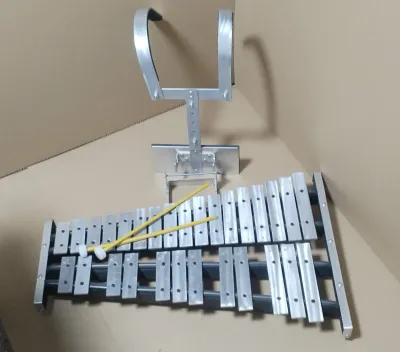
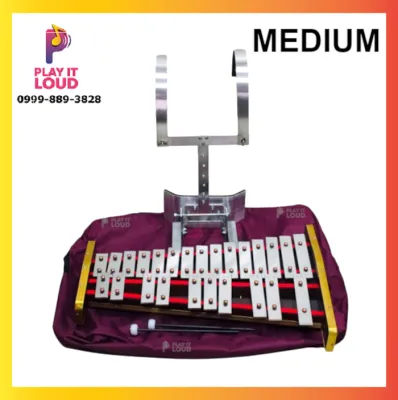
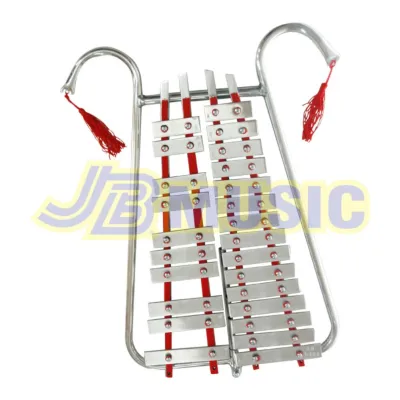

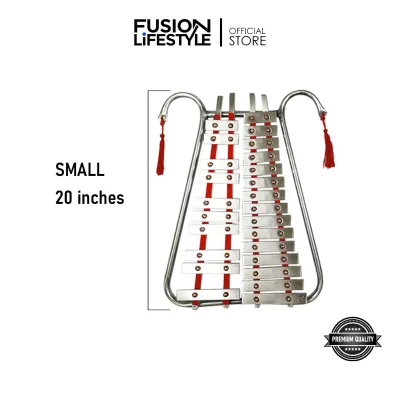
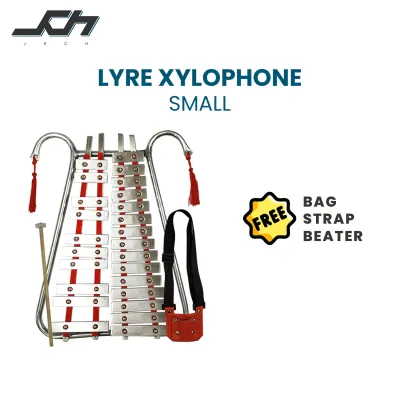
Prices are valid at publication and may change. Please refer to the product page for the latest price.
Key Physical Markers of an Original Marching Lyre
Distinguishing an authentic marching lyre from a replica requires a close, hands-on examination of its physical components. Manufacturers of genuine instruments adhere to strict quality control standards, whereas replica producers cut corners on materials and machining.

Inspecting the Tone Bars and Resonators
The tone bars are the heart of the marching lyre, and their material composition determines the instrument’s acoustic quality. Original marching lyres feature bars made from high-grade aluminum alloys or specialized bell metals that undergo precise heat treatment. These materials produce a bright, resonant sound with a clean decay. In contrast, replicas often use cheap, unrefined pot metals, soft steel, or even painted plastics. When struck, these imitation bars produce a dull, dead thud with almost no sustain.
To verify the bars, look closely at their construction and markings:
- Tuning Arches: Examine the underside of the tone bars. Original bars feature precision-milled, smooth arches designed to tune the fundamental pitch and harmonics. Replicas often have flat undersides or rough, uneven grind marks where metal was crudely shaved off to approximate the pitch.
- Bar Spacing and Alignment: Authentic instruments feature uniform spacing, with each bar perfectly parallel to the next. Replicas frequently exhibit uneven gaps, crooked mounting pins, or misaligned bars that can cause the player to miss notes during fast passages.
- Note Markings: Original manufacturers stamp or laser-etch note names (such as C, D, E) cleanly and deeply into the metal. Replicas often rely on cheap silkscreen printing, surface decals, or stickers that quickly scratch off under mallet strikes or peel away in high humidity.
- Mounting Grommets: Look at the rubber or felt washers under the screws holding the bars. Authentic lyres use high-durability neoprene or dense wool felt to isolate the bar and maximize resonance. Replicas often use cheap, low-grade rubber or hard plastic washers that damp the sound and disintegrate quickly under the sun.
Evaluating the Frame, Harness, and Hardware
A marching lyre must be structurally sound to support its own weight and remain stable while the player is in motion. The frame, harness, and connecting hardware are critical indicators of overall build quality. Brand name alone does not guarantee frame compatibility or tone bar alloy; always cross-reference the exact model specifications sheet from the manufacturer.
Original frames are constructed from heavy-duty, lightweight aluminum or steel tubing with seamless, clean welds. The frame should feel rigid, with no play or flexing when you apply moderate pressure. Replicas often utilize thin-walled tubing that easily dents, joined by sloppy, bubbling welds that are prone to cracking under stress.
Pay close attention to the adjustable components and harness system:
- Adjustment Hardware: Examine the height sliders, angle adjustment joints, and mounting brackets. Authentic hardware features smooth-turning, heavy-duty metal knobs and bolts that lock firmly into place without slipping. Replicas often use low-grade plastic wing nuts or soft metal screws that strip their threads under minimal torque.
- Harness Attachment Points: The points where the lyre connects to the carrier or shoulder harness must be reinforced. Original instruments feature thick, welded eyelets or heavy-duty brackets. Replicas often use thin, stamped metal tabs that can bend or break under the weight of the instrument.
- Strap and Padding Quality: If the lyre includes a shoulder harness, inspect the materials. Original harnesses feature thick, ergonomic padding designed to distribute weight evenly across the shoulders, along with reinforced stitching and durable metal buckles. Replica harnesses typically use thin, unpadded nylon straps and fragile plastic clips that dig into the player's shoulders and risk snapping during a parade.
Checking Branding, Serial Numbers, and Documentation
Official branding and documentation are primary lines of defense against counterfeit instruments. Reputable manufacturers take pride in their brand presentation, making their logos and serial numbers difficult to replicate convincingly.
Begin by inspecting the manufacturer’s logo on the frame or the largest tone bars. Authentic instruments feature deep, crisp laser engravings, clean metal stampings, or high-quality cast badges. Replicas, on the other hand, often use superficial stickers, poorly printed logos that smudge easily, or misspelled brand names designed to trick casual buyers.
Every original marching lyre from a major brand is assigned a unique serial number. This number is typically stamped directly into the metal frame, engraved on the underside of a crossbar, or printed on a riveted metal plate. Locate this number and cross-reference it by visiting the manufacturer’s official website or contacting their authorized customer support channel. If the serial number is missing, looks unevenly stamped by hand, or does not exist in the manufacturer’s database, the instrument is highly likely to be a replica.
Additionally, verify the accompanying paperwork. Original instruments are packaged with official documentation, including a detailed user manual, a branded warranty registration card, and sometimes a certificate of authenticity. Replicas rarely include these documents, or if they do, they consist of poorly printed, generic photocopies with grammatical errors and low-resolution graphics. Before finalizing your purchase, always verify the exact bundle contents and authorized source details from the manufacturer’s official specifications sheet to ensure you are receiving a complete, authentic product.
Common Red Flags That Indicate a Replica
Identifying a replica requires looking out for subtle manufacturing shortcuts and suspicious sales tactics. When evaluating listings on online marketplaces or inspecting instruments in person, keep these red flags in mind.
- Suspiciously Low Pricing: While high-quality marching lyres require precision engineering and premium materials, replicas are priced to attract budget-conscious buyers. If an online listing offers a brand-new instrument from a reputable manufacturer at a price that is 50% to 80% lower than the retail price at authorized music stores (which can range from several thousand to tens of thousands of Pesos), it is almost certainly a counterfeit.
- Visual and Structural Flaws: Inspect the metal surfaces for sharp burrs, rough edges, and uneven paint or anodization. Original manufacturers polish all metal edges to prevent player injury, while replicas often leave sharp corners on the tone bars or frame. Look for loose, mismatched screws and rattling components that indicate poor assembly.
- Acoustic Deficiencies: If you can test the instrument in person, play a simple scale. Replicas suffer from poor intonation, with some notes sounding noticeably flat or sharp relative to others. They also lack resonance, producing a dead, percussive sound with no sustain, which fails to project outdoors.
- Vague Seller Information: Be cautious of sellers who use only stock photos from official catalogs instead of actual pictures of the physical instrument. If a seller refuses to provide clear, high-resolution close-ups of the serial number, weld joints, logo engravings, or the underside of the tone bars upon request, avoid the transaction.
Where to Safely Buy an Original Marching Lyre in the Philippines
To guarantee you are purchasing a genuine marching lyre, you must select your retail channels carefully. Sourcing from verified channels minimizes the risk of receiving a counterfeit instrument and ensures you receive proper post-sales support.
The safest way to buy an original marching lyre in the Philippines is through physical, authorized music retail stores or established local band instrument suppliers. These businesses source their inventory directly from manufacturers and offer official local warranties. Visiting a physical showroom also allows you to test the instrument’s weight, balance, and tuning before making a financial commitment.
If you must purchase through online marketplaces, follow these verification steps to protect your investment:
- Check Seller Credentials: Only buy from sellers labeled as official brand stores, preferred merchants, or those with a long history of high ratings and positive feedback.
- Analyze Buyer Reviews: Look for verified buyer reviews that include real photos and videos of the unboxed instrument. Pay attention to comments regarding the sound quality, tuning, and packaging.
- Request Live Demonstrations: Ask the seller for a live video call or a high-quality video demonstration of the specific instrument you will receive. Have them strike several bars while holding a digital tuner app near the instrument to verify its pitch and sustain.
- Use Secure Payment Methods: Always complete transactions using payment methods that offer robust buyer protection and dispute resolution. Avoid direct bank transfers or outside-platform payments that offer no recourse if the received item is a replica.
Frequently Asked Questions (FAQ)
Can I rely on the price alone to identify a fake marching lyre?
No, price alone is not a foolproof indicator of authenticity. While an incredibly low price is a major warning sign, some deceptive sellers price high-quality replicas close to the retail cost of original instruments to make them appear genuine. You must combine pricing analysis with physical, structural, and serial number inspections.
Do all original marching lyres come with a branded carrying case?
Not necessarily. While many premium marching lyres include heavy-duty, branded gig bags or hard-shell cases, some entry-level or specialized professional models are sold as standalone instruments. Always check the manufacturer’s official product specification sheet to verify exactly what accessories are included in the box.
What should I do if I suspect I bought a replica marching lyre online?
Immediately document the discrepancies by taking clear, high-resolution photos and videos of the fake markers, poor welds, or incorrect branding. Contact the seller to request a return and refund, and escalate the issue through your e-commerce platform’s buyer protection program or your payment provider if the seller is uncooperative.
Community discussion
Share your experience or ask a question. Comments are reviewed before publication.