
To verify if a K-Pop vinyl LP is official, you must inspect the physical packaging for high-quality printing, locate the official licensing sticker (such as the KOMCA hologram), and check the run-out groove for an etched matrix number that matches official database records. Because K-Pop vinyl records are often produced in limited quantities, they have become prime targets for counterfeiters looking to cash in on high demand. Knowing how to spot these fakes before and after purchase protects your investment, supports your favorite artists, and ensures you experience the high-fidelity audio quality that vinyl is meant to deliver.
In the tropical climate of the Philippines, where high humidity can quickly degrade poorly made materials, authenticating your records is also a matter of preservation. Official releases utilize high-grade cardstock and heavy vinyl pressings that withstand environmental factors much better than cheap, counterfeit imitations. By systematically checking the physical jacket, the record itself, and the accompanying inserts, you can confidently build a genuine collection.
Common Signs of Counterfeit K-Pop Vinyl Records
The packaging of an official K-Pop vinyl LP is designed as a premium collector’s item, meaning any compromise in material quality is an immediate red flag. Counterfeiters often use low-resolution scans of official album artwork to print their jackets, resulting in blurry text, pixelated images, and noticeable color deviations. If the colors look washed out, overly saturated, or if the text on the spine is difficult to read, the item is likely a fake. Additionally, official jackets are typically made from thick, rigid cardboard, whereas counterfeit sleeves often feel flimsy, thin, and prone to creasing under light pressure.
Products mentioned in this guide
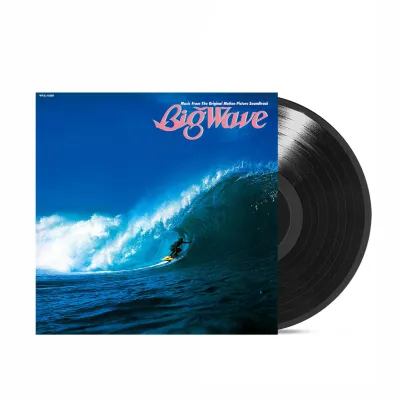
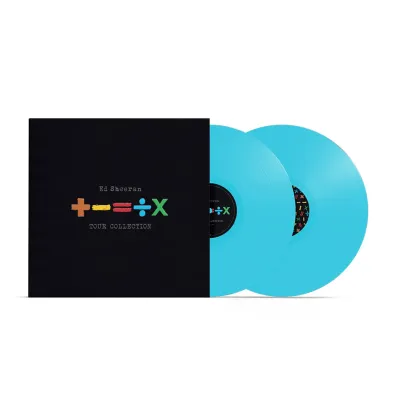
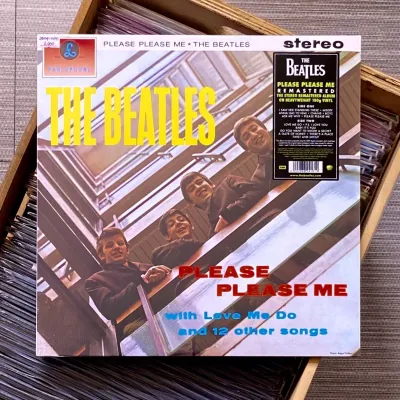
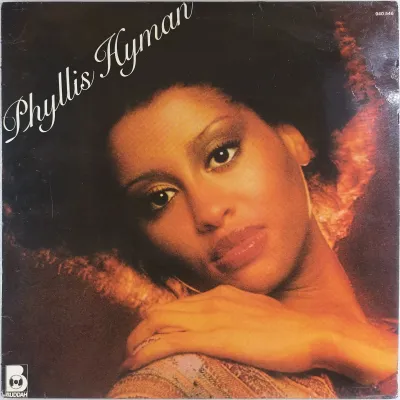
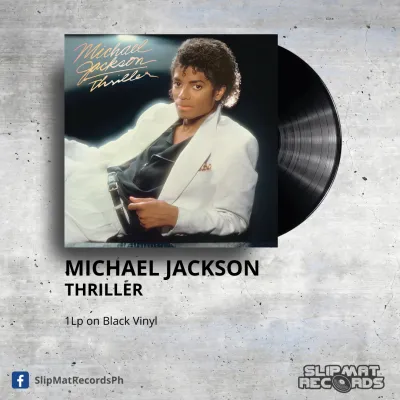


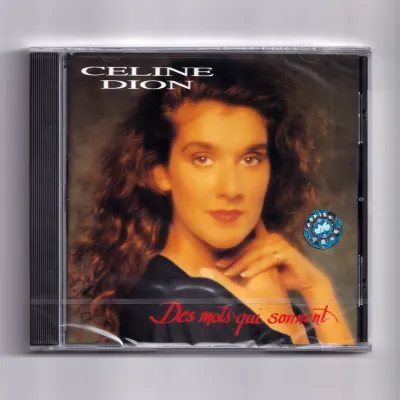
Prices are valid at publication and may change. Please refer to the product page for the latest price.
The physical record itself offers some of the most definitive clues regarding authenticity. Official K-Pop vinyl releases are generally pressed on standard weights, such as 140-gram or heavy-duty 180-gram vinyl, which feel substantial and rigid. Fake records are often pressed on much thinner, lighter plastic that flexes easily and may have rough, unfinished outer edges. Inspect the center label on the record; on official pressings, this label is perfectly centered and smoothly applied, whereas counterfeits frequently feature misaligned, bubbling, or peeling paper labels. Most importantly, look closely at the run-out groove—the smooth, play-free space between the last track and the center label—where official pressings always feature an etched or stamped matrix number, which fakes often omit entirely or print poorly.
K-Pop releases are famous for their extensive inclusions, and vinyl editions are no exception, often containing exclusive posters, photocards, and lyric booklets. Counterfeit packages frequently skimp on these extras or include low-quality reproductions. Check the photocards and posters for rounded corners that are uneven, paper stock that feels unusually thin, or images that lack the sharp detail and vibrant color of official merchandise. If an album is advertised as containing specific inserts but lacks them entirely, or if the inserts look like they were printed on a standard home printer, you are likely holding a counterfeit product.
Step-by-Step Authenticity Checks Before and After Purchase
To systematically verify your vinyl LP, start by cross-referencing the catalog and matrix numbers. The catalog number is typically printed on the spine, back cover, and center label of the record. Once you have the physical record, look at the run-out groove under a bright light to find the etched matrix number, which includes the manufacturing code and pressing details. Compare these numbers with trusted online discography databases or official fan community registries. If the etched matrix number does not match the printed catalog number or the database entry for that specific pressing, the record is a counterfeit.

Next, locate and verify the anti-counterfeit labels on the outer packaging. Most official Korean music releases carry a holographic sticker issued by the Korea Music Copyright Association (KOMCA) or the respective distributing agency. These stickers feature intricate holographic patterns, specific serial numbers, and color-shifting properties when tilted under light. Some modern releases also include QR codes or proprietary security seals that can be scanned using official verification mobile applications. If the sticker is a flat, non-reflective image, lacks a serial number, or is missing entirely from a release known to have one, do not proceed with the purchase.
It is also crucial to verify the specific version and regional details of the release. K-Pop albums are often distributed in multiple versions, such as domestic Korean editions, Japanese pressings, or international export versions tailored for Western markets. Each regional version has unique barcodes, distributor logos (such as Kakao Entertainment, YG Plus, or SM Entertainment), and distinct packaging finishes. Before buying, research the exact specifications of the version you want, including the barcode number and the specific logos that should appear on the back cover, to ensure the seller’s listing matches the official release details.
Evaluating Sellers and Purchase Channels
Choosing where to buy your K-Pop vinyl LP is your first line of defense against counterfeit goods. Prioritize authorized music retailers, official agency webstores, and established local physical record shops that source their inventory directly from official distributors. These sellers provide clear product specifications, reliable shipping standards, and authentic merchandise. While purchasing directly from official sources may sometimes incur higher shipping fees to the Philippines, it guarantees that your money supports the artist and that you receive a genuine product.
When shopping on third-party ecommerce platforms and online marketplaces, you must exercise extra caution. Carefully evaluate the seller’s overall rating, read through customer reviews specifically looking for mentions of authenticity, and check their return and refund policies. Be highly skeptical of listings with prices that seem too good to be true. For instance, if a rare or out-of-print K-Pop vinyl LP typically commands a market value of ₱3,500, a listing offering it brand new for ₱800 is almost certainly a counterfeit or a scam. Genuine vinyl production is expensive, and steep discounts on highly sought-after releases are a major warning sign.
If you are navigating the secondhand market or peer-to-peer trading groups, request detailed, real-life photos of the actual item, specifically asking for close-ups of the matrix numbers in the run-out groove, the KOMCA holographic sticker, and the corners of the jacket. To ensure the seller actually possesses the item and is not using someone else’s photos, ask them to place a piece of paper with their username, the current date, and a specific handwritten phrase next to the record. If a seller hesitates or refuses to provide these verification photos, walk away from the transaction.
What to Do If You Receive a Fake Vinyl LP
If you open your package and discover that you have received a counterfeit vinyl LP, immediate and documented action is necessary to secure a refund. Start by documenting the evidence thoroughly. It is highly recommended to record an uninterrupted unboxing video from the moment you begin cutting open the shipping box, ensuring the shipping label and tracking number are clearly visible in the frame. Take high-resolution, well-lit photos of the specific flaws, such as blurry printing, missing holographic stickers, or the blank run-out groove. Keep a complete record of all communications with the seller, including screenshots of the original listing and any messages where they claimed the item was official.
Once your evidence is gathered, initiate the dispute process through the ecommerce platform or online marketplace where you made the purchase. Most reputable platforms have strict buyer protection policies that prohibit the sale of counterfeit goods. File a formal return or refund request, selecting “counterfeit item” or “item not as described” as the reason, and upload your unboxing video, photos, and comparison details. Avoid communicating outside the platform’s official chat system, as the platform administrators will need to review these logs to resolve the dispute in your favor.
If the seller refuses to cooperate and the platform’s customer support fails to resolve the issue, you can escalate the dispute through your payment gateway. Contact your credit card issuer or digital payment provider to initiate a chargeback based on receiving counterfeit merchandise. Provide them with the same documentation, including your unboxing video, photos of the fake item, and proof that you attempted to resolve the issue with the seller and platform first. Most financial institutions take counterfeit claims seriously and will investigate the transaction to help you recover your funds.
Frequently Asked Questions (FAQ)
Can I rely solely on the shrink wrap to verify authenticity?
No, you cannot rely solely on the presence of shrink wrap to verify that a vinyl LP is official. Counterfeiters and third-party sellers can easily rewrap records using inexpensive, commercial-grade heat-sealing machines and plastic film. While some official releases feature specific hype stickers on the shrink wrap, these can also be scanned and reprinted. Always prioritize internal security features, such as the etched matrix numbers in the run-out groove, the print quality of the jacket itself, and the presence of genuine holographic licensing stickers, rather than relying on the outer plastic wrapping.
Are unofficial or fan-made vinyl records considered fake?
Yes, unofficial or fan-made vinyl records—often referred to as bootlegs—are considered counterfeit or unauthorized merchandise. While some fans create these pressings to enjoy albums that never received an official vinyl release, they are produced without the artist’s permission, licensing, or access to the original master audio files. Consequently, bootlegs often suffer from poor sound quality, as they are usually pressed using compressed digital files or CD rips. If your goal is to collect official merchandise that directly supports the K-Pop artists and guarantees high-fidelity audio, you should avoid these unauthorized pressings and verify the licensing credentials of every purchase.

Community discussion
Share your experience or ask a question. Comments are reviewed before publication.