
To tell if a KATSEYE album is official, you must inspect the physical print quality, verify the holographic security seals, check the digital inclusion codes, and buy from authorized distributors. Counterfeiters often struggle to replicate the precise paper weight, high-resolution printing, and official holographic stickers used by the group’s label. By carefully examining these details, you can protect your collection and support the artists directly.
Why Authenticating Your KATSEYE Album Matters
Securing an official physical release ensures that your purchase directly supports KATSEYE’s music charts and label revenue. Official sales are tracked by major global and regional music charts, which directly influences the group’s success, award nominations, and future promotions. When you buy a counterfeit copy, none of the proceeds reach the artists or their management, undermining the hard work put into the release.
For collectors, the value of an album lies heavily in its inclusions, particularly the highly sought-after photocards and limited-edition items. Counterfeit items carry zero resale or trade value within the fan community, making authentication essential if you plan to trade or sell parts of your collection later. Trading a fake card, even unintentionally, can damage your reputation among local collectors.
Products mentioned in this guide
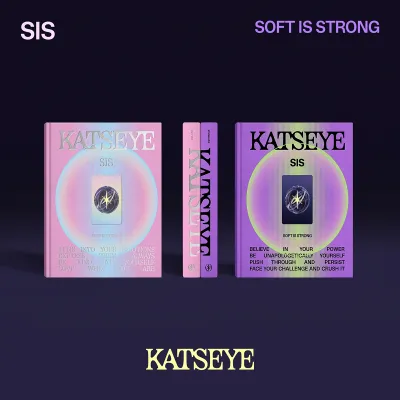

![KATSEYE - [ WILD ] Album International Retailer Exclusive](https://img.lazcdn.com/g/ff/kf/S33c06ce24bc84357b35511137757bff73.jpg_400x400q80.jpg_.webp)
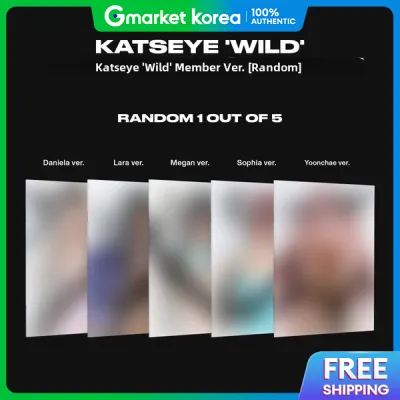
![KATSEYE - [ WILD ] Member ver.](https://img.lazcdn.com/g/ff/kf/Sa94b2fd1bdba40b9be80fffffff101270.jpg_400x400q80.jpg_.webp)

Prices are valid at publication and may change. Please refer to the product page for the latest price.
Furthermore, counterfeit albums are often manufactured using cheap, substandard materials. In tropical climates like the Philippines, high humidity can quickly degrade low-quality paper, causing fake photobooks to warp, colors to bleed, or pages to emit strong chemical odors from industrial adhesives. Official albums use acid-free paper and high-grade inks designed to withstand environmental factors when stored properly.
Key Visual and Physical Markers of an Official Album
Official physical releases follow strict manufacturing standards set by global entertainment labels. These standards ensure that every copy of the album meets precise specifications, from the weight of the outer box to the exact alignment of the internal contents. Major labels work with professional printing houses that maintain rigorous quality control, resulting in a consistent product across the entire production run.

Because specific designs, dimensions, and materials vary with each new release, you should always cross-reference your physical copy with official unboxing videos or label announcements. Comparing your item to verified visual guides helps you spot subtle discrepancies that might otherwise go unnoticed. Keep in mind that minor manufacturing variances can occur, but systemic issues like blurry text or incorrect dimensions are clear signs of a fake.
Packaging, Print Quality, and Inclusions
Begin your inspection by looking closely at the outer packaging, spine, and back cover. Official albums feature sharp, high-resolution text, accurate color profiling, and correct font usage, whereas fakes often display blurry text, pixelated images, or slight color shifts due to scanning and reprinting. Pay close attention to small copyright text and logos, as counterfeiters frequently struggle to replicate tiny, intricate fonts clearly.
Next, examine the binding quality, paper weight, and finish of the photobook and lyric book. Authentic photobooks use heavy, premium paper stock with clean, durable binding that does not easily crack or shed glue when opened. If the pages feel unusually thin, rough, or if the binding feels loose and poorly glued, the album is likely a counterfeit.
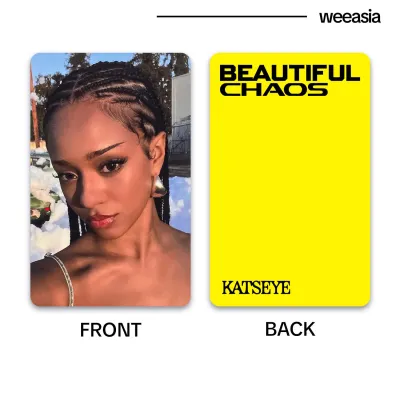
Finally, verify the presence and dimensions of all standard inclusions, such as photocards, postcards, and stickers, against the official product tracklist. Counterfeit inclusions often feel noticeably thinner, feature rounded corners with irregular cuts, or show cropped images compared to the official versions. Official photocards typically have clean, machine-cut edges and may feature tiny, barely visible tabs on the corners from the manufacturing sheet, which fakes rarely replicate accurately.
Holograms, Seals, and Security Features
Official albums typically feature specialized holographic stickers or security seals on the outer shrink wrap or the back of the package. These stickers are designed to reflect light in specific patterns, often displaying unique serial numbers, official distributor logos, or hidden patterns when tilted under a light source. Counterfeiters often try to mimic these with flat, non-reflective printed images or low-quality generic metallic stickers.
Because hologram designs can change depending on the release version, printing batch, or distribution region, you should verify the expected sticker design on the official store’s product page. For instance, albums distributed in different regions may carry distinct licensing stickers. A missing sticker or a flat, non-reflective printed imitation is a primary indicator of a counterfeit copy.
Additionally, check the quality of the shrink wrap and the factory seal. Official packaging uses tight, clean, and professionally sealed shrink wrap that fits the album perfectly without excessive wrinkles. Counterfeiters often use loose, crinkly plastic with messy, hand-sealed seams that look uneven or melted, indicating that the album has been manually repackaged.
How to Verify Digital and Trackable Elements
Many modern releases include digital components, such as QR codes for digital album apps or exclusive online content. If your album includes a QR code, scan it using only the official app designated by the label or distributor, rather than generic scanning tools. Official apps will recognize the unique code and register the album to your account, confirming its authenticity.
If the album comes with digital download codes or Pre-Order Benefit (POB) claim codes, check their validity by attempting to redeem them on the official platform. A code that has already been redeemed, or one that returns an invalid error on the official site, strongly suggests the album is a duplicate or a counterfeit. Be cautious when buying “unsealed” albums where the digital codes may have already been harvested or replaced with fakes.
Be extremely cautious when scanning codes found on suspicious packaging. Avoid entering personal data, payment details, or downloading external files from unverified third-party scanning websites, as counterfeiters may use fake QR codes to direct users to phishing sites. Stick strictly to the official applications mentioned in the album’s instruction leaflet.
Evaluating the Seller and Purchase Channel
The most reliable way to ensure your album is authentic is to purchase directly from official label stores, authorized local distributors, or recognized physical record shops in the Philippines. These established retailers source their inventory directly from the music labels, guaranteeing authenticity and chart registration. Buying from these sources also ensures your purchase is handled and shipped under proper conditions.
When shopping on online marketplaces, be wary of listings priced significantly below the standard retail price of around ₱1,200 to ₱1,800. Extremely low prices, vague stock photos, and a lack of verifiable seller history or customer reviews are major red flags that often point to counterfeit stock. If a deal seems too good to be true, it almost certainly is, as official albums carry fixed manufacturing and import costs.
If you are buying from a third-party reseller or a fellow collector, always request clear, unedited photos of the actual item under good lighting. Ask for proof of purchase, such as an official receipt or an order confirmation email from an authorized retailer, to verify the album’s origin before sending any payment. Reliable sellers will gladly provide these details and may even offer to show the album on a live video call.
What to Do If You Suspect a Counterfeit
If you suspect you have received a fake album, document the unboxing process by taking clear, well-lit photos and videos of the suspicious markers. Capture close-up shots of blurry printing, incorrect logos, or missing security stickers to build a strong case. Having a continuous, unedited unboxing video is often the most powerful evidence you can present.
Contact the online marketplace’s customer support or the seller immediately to initiate a return or refund based on counterfeit claims. Most major ecommerce platforms have buyer protection policies that cover counterfeit goods, provided you supply clear photographic evidence. Do not delay this process, as most platforms have strict time limits for filing disputes.
Avoid making public accusations against specific sellers on social media without concrete proof or official statements from the label. Instead, report the listing directly to the platform and share general warning signs with the fan community to help others avoid similar listings. This keeps the focus on community safety and constructive reporting.
Frequently Asked Questions (FAQ)
Can a fake KATSEYE album still include valid digital download codes?
No, counterfeit albums generally do not contain valid, unused digital download codes. Counterfeiters often print fake cards with random, invalid character sequences or duplicate a single legitimate code that has already been redeemed. If you are purchasing from a secondary reseller, it is best to verify the code’s redemption status or assume the digital benefits are no longer valid.
Are unofficial fan-made goods considered fake albums?
No, unofficial fan-made goods are distinct from counterfeit albums. Fan-made items, often referred to as fan merchandise or tributes, are typically created by fans for fans and are clearly labeled as unofficial. Unlike deceptive counterfeits designed to mimic official releases, fan-made items do not claim to be official, do not contribute to music charts, and hold no official collectible value.
Community discussion
Share your experience or ask a question. Comments are reviewed before publication.