
Quick Guide to Spotting Fake K-Pop CDs
Collecting K-Pop physical albums has become a major hobby, but the rise of the secondary market has also brought an influx of counterfeit releases. When buying from unverified sellers or local buy-and-sell groups, knowing how to spot a fake is essential to protecting your hard-earned money. Counterfeiters have grown increasingly sophisticated, making it difficult to identify a fake at a single glance.
Three immediate visual cues often expose a counterfeit album before you even open it. First, look for loose, messy, or excessively thick shrink wrap instead of the tight, neat seal found on official releases. Second, inspect the cover art and spine for typographical errors, misspelled track names, or blurry text. Finally, check for the presence of an official holographic security sticker, which is a standard feature on most major agency releases.
Relying on just one of these features is rarely enough to confirm authenticity. A thorough inspection requires examining multiple physical details, from the paper weight of the photobook to the matrix code on the underside of the disc. By combining these checks, you can confidently verify whether your purchase is a genuine piece of memorabilia or a cheap imitation.
Products mentioned in this guide
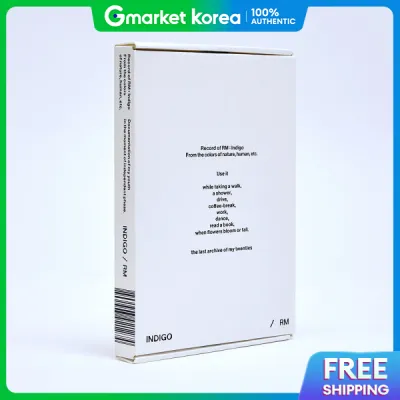
Prices are valid at publication and may change. Please refer to the product page for the latest price.
Inspecting the Outer Packaging and Shrink Wrap
The outer packaging is your first line of defense when evaluating a physical CD music album. Official manufacturing facilities use high-grade, automated wrapping machines that produce a tight, uniform shrink wrap with clean, flat seams. In contrast, counterfeiters often rely on manual heat-shrink guns, resulting in loose plastic, thick or uneven seams, and unsightly wrinkles at the corners. Some official releases also feature a distinct tear-strip or a branded sticker on the outer plastic, which is difficult for bootleggers to replicate accurately.

Beyond the plastic wrap, the structural integrity of the album box or digipak offers valuable clues. Official albums are printed on sturdy, high-density cardboard that resists bending and maintains its shape under normal handling. Counterfeit versions frequently use thinner, flimsy cardstock that feels light and warps easily, especially in humid tropical climates. Pay close attention to the folding lines and corners; official packaging features precise, machine-pressed creases, whereas fakes may show uneven folds, cracked paper fibers, or misaligned spine widths.
It is important to note that packaging standards can vary even among legitimate releases. Some entertainment agencies issue special editions, reissues, or eco-friendly packaging variants that use different materials or omit traditional shrink wrap in favor of paper sleeves. To avoid false alarms, compare your item with official unboxing videos from verified creators or check the detailed packaging specifications provided on the official agency website.
Evaluating Printing Quality and Booklet Details
The printing quality of the album cover and the internal photobook is one of the most reliable indicators of authenticity. Official albums are printed using high-resolution, professional-grade offset presses that deliver sharp details, smooth color gradients, and accurate skin tones. Counterfeiters, who often scan original artwork to reproduce it, typically use lower-end digital printers. This process introduces visible defects such as pixelation, color banding, and a washed-out or overly saturated color profile that obscures fine details in the artists’ portraits.
Typographical details require careful scrutiny, as text errors are common in unauthorized copies. Inspect the fine print on the back cover, the spine, and the interior credits page for spelling mistakes, grammatical errors, or incorrect font styles. Bootleggers frequently misalign text blocks or use generic system fonts that differ slightly from the stylized typography chosen by the official design team. Even a single misplaced character in the tracklist or copyright notice is a strong indicator of a counterfeit product.
The construction of the photobook itself reveals a lot about the manufacturing standards. Official photobooks feature secure, durable binding—whether sewn or high-quality perfect binding—that allows the pages to turn smoothly without coming loose. Fake albums often use cheap, uneven glue that cracks easily, leading to detached pages after only a few reads. Additionally, feel the paper weight and texture; official booklets use thick, premium paper with specific matte or glossy finishes, whereas fakes often feel thin, rough, or excessively glossy like cheap flyers.
Checking the CD Disc and Security Stickers
The physical CD disc and its security labels are critical components that counterfeiters struggle to replicate perfectly. Start by inspecting the printed label on the top side of the disc. Official discs feature high-quality, silk-screened or offset-printed artwork with crisp text and vibrant colors that align perfectly with the center hole. Counterfeit discs often use cheap inkjet printing directly on the disc surface, which can look grainy, feel slightly sticky, or smudge when exposed to moisture.
Holographic security stickers are a primary authentication tool used by major Korean music distributors. These stickers, typically placed on the back of the album, feature complex holographic patterns that refract light to reveal specific logos, text, or serial numbers when tilted. While older albums might use gold or silver KOMCA (Korea Music Copyright Association) stickers, newer releases utilize updated designs with advanced security features. Examine the sticker closely under a bright light; fake stickers often have flat, dull reflections, lack the fine detail of the official patterns, or are simply printed images without any true holographic depth.
Finally, flip the disc over to inspect the data side. Official CD music albums are manufactured using glass-master pressing, resulting in a clean, uniform silver reflective layer. If the underside of the disc has a distinct greenish, bluish, or dark tint, it is likely a duplicated CD-R rather than a professionally pressed disc. You should also look for the matrix band near the center ring, which should display the official catalog number, mastering SID code, and mold SID code matching the album’s official release data.
Verifying Barcodes, Photocards, and Inserts
A complete physical inspection must extend to the secondary elements, such as barcodes, photocards, and promotional inserts. Every official K-Pop album features a unique barcode, typically an EAN or UPC code, printed on the back cover. You can verify this barcode by entering the numbers into an online retail database or using a dedicated barcode scanning application. A legitimate barcode should resolve to the exact album title, version, and release year; a fake or copied barcode may return no results, point to an entirely different product, or match a different version of the album.
Photocards are highly prized by collectors and are frequently counterfeited or substituted with fan-made prints. To verify a photocard, check its thickness and rigidity; official cards are printed on sturdy, laminated cardstock that does not bend easily. Examine the edges and corners for tiny tabs or rough spots, which are remnants of the sheet-cutting process used in official manufacturing. Fake photocards are often thinner, have slightly blurry images due to being scanned from originals, or feature incorrect lamination finishes, such as a cheap glossy coating instead of a smooth matte texture.
Additionally, check the presence and quality of other included inserts, such as stickers, postcards, lyric sheets, or folded posters. Official inserts are produced with the same high standards as the main album, featuring sharp printing and precise cuts. Counterfeit sets often omit these extra items entirely to save on production costs, or include poorly printed versions with washed-out colors and uneven borders. Always cross-reference the exact list of inclusions from official retail listings to ensure nothing is missing or altered.
Choosing Reliable Purchase Channels and Handling Suspected Fakes
The most effective way to avoid counterfeit K-Pop albums is to purchase them from authorized and reputable sources. Official brand stores, certified music retailers, and specialized K-Pop shops that report directly to major music charts are the safest options. When shopping on general ecommerce platforms, look for sellers with high ratings, positive buyer feedback, and clear product photos. Avoid listings with unusually low prices, as a rare or out-of-print album offered for a fraction of its market value—such as paying only ₱200 instead of the standard retail price of ₱1,200—is highly likely to be a counterfeit.
If you suspect you have received a fake album, document the evidence immediately. Before opening the outer shrink wrap or breaking any seals, take clear, high-resolution photos and videos of the packaging from all angles, focusing on the suspicious areas like the shrink wrap seams, printing defects, or the security sticker. This visual documentation is crucial for supporting your claim if you need to dispute the purchase.
Most reputable ecommerce platforms offer buyer protection policies that allow you to return counterfeit items for a full refund. Initiate the return or dispute process through the platform’s official channels as soon as possible, and do not confirm receipt of the item or leave feedback until the issue is resolved. Provide your photographic evidence and a clear explanation of the physical discrepancies to help the platform administrators process your claim efficiently.
Frequently Asked Questions (FAQ)
Can a K-Pop album be real if it does not have a hologram sticker?
Yes, a K-Pop album can be authentic even without a holographic security sticker under certain conditions. While major distributors use these stickers for copyright tracking, some independent labels, promotional copies (often marked as ‘Not for Sale’), or specific international editions may not feature them. Additionally, some digital-only platform albums or newer eco-friendly formats utilize alternative verification methods, such as QR codes or digital apps, instead of physical stickers. Always check the official agency announcements or product descriptions from authorized retailers to confirm the expected security features for that specific release.
Are unofficial fan-made albums considered fake?
Unofficial fan-made albums and tribute goods are distinct from counterfeit albums, though they are still unauthorized. Fan-made items are typically created by enthusiasts as creative projects or custom memorabilia and are usually labeled clearly as unofficial or ‘fan-made’ within the community. Counterfeit albums, on the other hand, are produced with the explicit intent to deceive buyers into believing they are purchasing official, agency-released products. While fan-made goods can be enjoyed as personal collectibles, they do not hold official value, do not support the artists on music charts, and should never be sold under the guise of official merchandise.
Community discussion
Share your experience or ask a question. Comments are reviewed before publication.