
Determining whether a K-Pop CD music album is official or counterfeit requires a careful, multi-step inspection of its physical and digital components. As the global popularity of Korean music continues to rise, high-quality counterfeits have increasingly slipped into online marketplaces and local resale channels. To protect your collection and ensure your purchase supports the artists, you must evaluate the outer packaging, verify holographic security stickers, inspect the internal media, and cross-reference digital authentication markers.
Authenticating physical media involves looking past the surface graphics to examine manufacturing standards that counterfeiters cannot easily replicate. Official entertainment agencies utilize specialized printing presses, high-grade paper stocks, and proprietary security features that are cost-prohibitive for unauthorized operations. By learning how to spot these subtle differences, you can confidently build a legitimate collection of your favorite music.
Recognizing Common Red Flags in Counterfeit K-Pop Albums
Evaluating the retail price is the first and most practical step in identifying a potential counterfeit. Official K-Pop albums are premium physical products that typically retail between ₱1,000 and ₱2,500 depending on the version, packaging size, and included merchandise. If an online listing offers a brand-new, highly sought-after release for a fraction of this price, such as ₱200 or ₱300, the item is highly likely to be an unauthorized reproduction.
Products mentioned in this guide
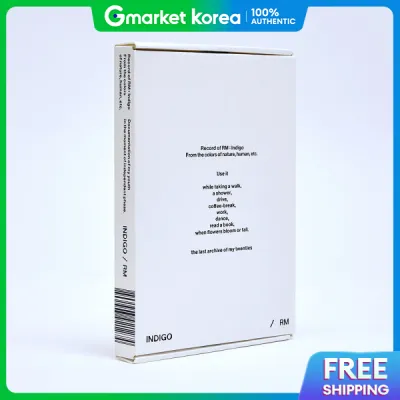
Prices are valid at publication and may change. Please refer to the product page for the latest price.
Checking the seller’s profile, rating history, and customer feedback on e-commerce platforms provides critical context before you commit to a purchase. Legitimate specialty media retailers and authorized distributors maintain high positive feedback scores and feature detailed, written reviews from verified buyers. Be cautious of storefronts with generic, repetitive reviews, newly created accounts with no transaction history, or sellers who refuse to provide actual photos of the physical stock.
Identifying missing or altered distributor information in the product listing can also signal a counterfeit product. Authorized listings clearly state the album’s specific edition, manufacturing origin, and official distributor details. If a seller uses low-resolution stock images, hides the barcode area, or uses vague descriptions like “reproduction” or “fan-made” without official documentation, you should proceed with extreme caution.
Inspecting Outer Packaging, Holograms, and Print Quality
The outer packaging of an official CD music album serves as the first line of defense against counterfeits. Official releases feature tight, professionally heat-sealed shrink wrap with clean, straight seams along the edges. Counterfeit albums often arrive in loose, wrinkled plastic wrap that has been crudely sealed with a hand-held heat sealer, leaving uneven melted edges or open gaps.

Cardboard quality and structural integrity differ significantly between official and fake pressings. Official box sets and digipaks are constructed from thick, rigid cardboard designed to withstand shipping and handling. In humid tropical climates like the Philippines, cheap, non-laminated counterfeit cardboard quickly absorbs moisture, leading to warping, soft corners, and peeling layers that rarely occur with genuine, moisture-resistant official packaging.
Verifying the official holographic security sticker is one of the most reliable physical checks you can perform. Most official Korean music releases feature a specialized government or distributor-issued holographic sticker. When tilted under a direct light source, a genuine sticker displays a sharp, multi-layered holographic pattern that shifts colors smoothly and reveals hidden security text or logos, whereas counterfeit stickers are often flat, dull metallic prints that do not change appearance when rotated.
Comparing the print quality and alignment of the outer cover reveals the precision of official manufacturing. Official albums are printed using high-resolution offset lithography, resulting in razor-sharp text, vibrant color gradients, and perfectly aligned spine text. Counterfeits, which are often printed from scanned copies of original artwork, exhibit noticeable pixelation, blurry fine print, color bleeding, and misaligned barcodes that fail to scan properly.
Evaluating the CD Disc, Booklet, and Internal Materials
Inspecting the physical CD disc itself provides definitive proof of authenticity. Official CD music albums are professionally pressed in dedicated manufacturing facilities, featuring a silver or art-printed read side with a clean, mirror-like finish. Counterfeiters frequently burn music onto recordable CD-Rs, which can be identified by a distinct dark green, blue, or purple tint on the bottom of the disc and visible circular recording tracks.
The inner ring of a genuine CD contains etched matrix numbers, mastering codes, and manufacturer logos that match the official release specifications. You can verify these alphanumeric codes by comparing them with online discography databases or community-verified unboxing resources. Counterfeit discs often have blank inner rings, generic serial numbers, or poorly printed labels that can bubble and peel off when exposed to the heat of a standard CD player.
Assessing the booklet’s paper weight and binding quality reveals the production budget of the manufacturer. Official photobooks use heavy, premium-grade paper with professional matte, glossy, or textured finishes and secure, perfect-bound or stitched spines. Fake booklets often use thin, low-grade paper that allows images to bleed through to the opposite side, and they are frequently held together by cheap staples that rust quickly in high-humidity environments.
Evaluating the included photo cards, postcards, and posters requires a close look at the cutting precision and finishing details. Genuine photo cards are printed on thick, rigid cardstock with perfectly rounded corners, clean edges, and a consistent protective coating. Counterfeit photo cards are typically thinner, feature rough or unevenly cut edges with tiny paper tabs left behind, and lack the vibrant color depth or specialized foil stamping found on official merchandise.
Verifying Official Stickers, QR Codes, and Chart Tracking
Locating and understanding chart-tracking authentication stickers is essential for verifying domestic Korean releases. Official albums intended for the Korean domestic market often feature specific stickers or codes associated with major music charts like Hanteo or Circle Chart. These stickers allow fans to verify that their purchase directly contributes to the artist’s weekly music show rankings and overall sales milestones.
Scanning official QR codes included inside the packaging can instantly confirm the album’s legitimacy. Many modern K-Pop releases include digital access cards with unique QR codes or serial numbers that link to official mobile applications for digital album playback, exclusive video content, or fan club surveys. A counterfeit QR code will either fail to scan, direct you to an unofficial third-party website, or display an error message stating that the code has already been redeemed or is invalid.
Checking pre-order benefit (POB) serial numbers and exclusive merchandise requires careful scrutiny, especially when buying second-hand. Official pre-order benefits, such as limited-edition photo cards or holographic posters, are produced in limited quantities and adhere to the same strict manufacturing standards as the main album. When purchasing these items from individual sellers, verify that the card thickness, print resolution, and rear-side design match verified community templates, as POBs are highly targeted by counterfeiters.
Choosing Reliable Retailers and Official Distribution Channels
Prioritizing official brand stores and authorized local music distributors is the safest way to avoid counterfeit physical media. Established entertainment agencies often partner with recognized international retailers and local specialty media shops to distribute official stock. Purchasing directly from these verified sources guarantees that you receive a genuine product that is eligible for official chart tracking.
Navigating third-party sellers on online marketplaces requires a disciplined approach to verification. When shopping on major e-commerce platforms, look for sellers with verified mall badges, official brand flags, or explicit authorization certificates from Korean music distributors. Avoid purchasing from listings that use generic titles, refuse to show the actual product packaging, or offer shipping from unverified international locations known for producing counterfeit goods.
Understanding the risks associated with unverified social media sellers and unofficial group orders is crucial for second-hand buyers. While group orders organized by fan communities can reduce shipping costs, they lack the buyer protection policies offered by established e-commerce platforms. Before participating in a group order or purchasing from an individual seller on social media, request clear, dated photos of the album with a custom written note, and verify the seller’s transaction history through community feedback hashtags.
Steps to Take if You Receive a Suspected Fake Album
Documenting the unboxing process is your most powerful tool when dealing with a suspected counterfeit. Before opening any package received from an online seller, record a continuous, unedited video showing the shipping label, the sealed outer box, and the physical opening of the album. Ensure the video clearly captures the outer shrink wrap, the holographic stickers, the CD disc surface, and any internal materials in well-lit conditions.
Contacting the seller or the e-commerce platform’s customer support team should be done immediately upon discovering a fake. Present your unboxing video, high-resolution photos comparing the suspected counterfeit features with official specifications, and a clear explanation of the discrepancies. Most reputable online marketplaces offer buyer protection programs that will freeze the transaction and initiate a refund process if you provide clear evidence of a counterfeit product.
Retaining all original packaging, shipping labels, and included merchandise is vital throughout the dispute resolution process. Do not discard the shrink wrap, outer sleeves, or any promotional inserts, as customer support or payment processors may require you to return the entire package in its original condition to secure a full refund. Keep all communication with the seller within the official platform’s messaging system to maintain a verifiable record of the dispute.
Frequently Asked Questions (FAQ)
Can a fake K-Pop CD music album still play on a standard CD player?
Yes, some counterfeit albums can still play on a standard CD player, but their performance and longevity are highly unreliable. Many unauthorized manufacturers burn audio files onto cheap, recordable CD-Rs rather than using professional glass-master pressing techniques. These recordable discs often suffer from lower audio fidelity, noticeable playback skipping, and compatibility issues with older CD players. Furthermore, the organic dye layer used in CD-Rs degrades rapidly when exposed to heat, sunlight, and high humidity, which can render the disc completely unreadable within a few years.
Do all official K-Pop albums come with a Hanteo or Circle Chart sticker?
No, not all official K-Pop albums include a Hanteo or Circle Chart sticker on the packaging. While these stickers are common on domestic versions distributed directly within South Korea, international editions, regional pressings, and specific digital-exclusive physical versions may omit them entirely. Additionally, some official distributors apply their own regional tracking stickers instead of the standard Korean chart markers. To verify an album that lacks a chart sticker, you must rely on other physical indicators, such as the quality of the holographic security sticker, the CD matrix numbers, and the print resolution of the booklet.
Community discussion
Share your experience or ask a question. Comments are reviewed before publication.