
Subscribing to Rolling Stone magazine in the Philippines requires choosing between the immediate, cost-effective access of a digital subscription and the collectible, tactile experience of a physical print edition. While digital platforms allow you to read the latest music reviews, culture features, and entertainment commentary instantly on your tablet or smartphone, securing a print copy involves navigating international shipping, local customs, or specialty retail markups. Deciding on the right format depends on your budget, reading habits, and whether you view the magazine as a temporary read or a permanent addition to your bookshelf.
Deciding Between Print and Digital Formats
The choice between print and digital editions of Rolling Stone often comes down to how you interact with media and what you plan to do with the issues after reading. The print edition offers a classic, large-format layout that showcases the magazine’s iconic photography and bold typography in a way that screens struggle to replicate. For collectors and music enthusiasts, holding a physical copy and archiving it on a shelf provides a tangible connection to music history.
However, maintaining a physical collection in the Philippines presents unique environmental challenges. The high tropical humidity and seasonal dampness can easily warp pages, attract silverfish, or encourage mold growth. To preserve your collection, you must invest in airtight storage boxes, silica gel packs, or air-conditioned spaces.
Products mentioned in this guide
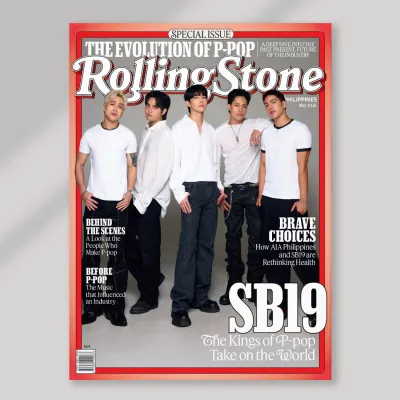


Prices are valid at publication and may change. Please refer to the product page for the latest price.
Conversely, the digital edition excels in convenience, portability, and searchability. Reading Rolling Stone on a high-resolution tablet or smartphone allows you to zoom in on detailed concert photos, search for specific artist interviews across back issues, and adjust text sizes for comfortable reading. Digital formats also integrate multimedia elements, sometimes linking directly to playlists, video interviews, or external music platforms. If you travel frequently or commute through busy metropolitan areas, carrying an entire library of past issues on a single lightweight device is far more practical than packing bulky paper magazines.
How to Get the Digital Edition
Acquiring the digital edition of Rolling Stone is the most straightforward route for readers in the Philippines, but it requires verifying platform compatibility and regional access before committing to a purchase. The most direct method is subscribing through the official publisher’s website or downloading the dedicated Rolling Stone mobile application from the Apple App Store or Google Play Store. Before subscribing, check if the app is fully supported on your specific device model and operating system version. Some publisher-direct digital subscriptions provide a login that works across both web browsers and mobile apps, giving you the flexibility to switch between your laptop and your tablet.

Another popular route is using third-party digital newsstands and subscription services, such as Zinio, Magzter, or Readly. These platforms often offer Rolling Stone as part of a broader catalog, which can be highly cost-effective if you read multiple international publications. However, you must verify that the Philippine region is eligible for the specific title, as licensing agreements can occasionally restrict access to certain magazines in specific countries.
When evaluating these services, check their offline reading capabilities. Ensure the platform allows you to download complete issues to your device’s local storage so you can read during flights or in areas with spotty mobile data coverage. Additionally, review the device authorization limits to confirm how many screens can access the subscription simultaneously under a single account.
How to Order the Print Edition
If you prefer the physical page, ordering the print edition of Rolling Stone in the Philippines requires navigating international logistics. The first option is setting up a direct international subscription through the publisher’s official fulfillment website. When entering your shipping details, ensure your address is formatted correctly for local delivery, and be prepared for the reality of international transit. Direct subscriptions are typically sent via standard international mail, which can take several weeks to arrive after the publication date and may be subject to delays at local sorting hubs.
For a more reliable but potentially more expensive route, you can check local specialty bookstores and major retail chains in the Philippines, such as Fully Booked. These stores frequently import current issues of major international magazines, allowing you to buy individual copies off the shelf without a long-term commitment. Because these retailers handle the shipping, customs clearance, and quality control themselves, the copies are usually in pristine condition, though they carry a retail markup to cover these import costs.
If you live outside major urban centers where these bookstores are not accessible, you might consider using third-party international magazine subscription services or freight-forwarding companies. Freight forwarders provide you with a virtual shipping address in the United States, receive the magazine on your behalf, and then ship it to your Philippine address via air or sea cargo. This method offers tracking capabilities that standard international mail often lacks, giving you peace of mind.
Comparing Costs and Convenience
When comparing the financial investment of print versus digital, the total cost of ownership in Philippine Pesos (₱) varies dramatically. A digital subscription is almost always the more economical choice, as it eliminates shipping fees, printing costs, and import tariffs. Digital plans are typically billed monthly or annually, with annual plans offering a lower average cost per issue. Payment is processed electronically, and you can easily use local credit cards, debit cards, or virtual cards from local digital wallets to handle the international transaction.
Print subscriptions, on the other hand, involve several hidden costs that can quickly add up. Beyond the base subscription price, international shipping fees can double the total amount you pay. Furthermore, physical items imported into the Philippines may be subject to local postal handling fees—such as the standard presentation fee charged by the Philippine Postal Corporation (PhilPost) when collecting packages from a local post office—or customs duties if imported in bulk.
In terms of convenience, digital access is instantaneous; the moment a new issue is published, it is available for download. Print subscribers must accept a significant time lag, often receiving issues weeks after their global release date. This means you will read features and reviews long after they have trended online, which is a key trade-off to consider if you want to stay current with music news.
Managing Your Subscription
Active subscription management is essential to avoid service interruptions and resolve delivery issues quickly. For digital subscribers, this involves keeping your payment methods updated in your account portal to prevent automatic renewal failures, especially if your local bank flags international recurring charges. You should also periodically manage your authorized devices, deauthorizing old tablets or phones to free up slots for new hardware. If you change your email address, update it promptly to ensure you do not lose access to your digital archive or miss renewal notifications.
For print subscribers, managing the subscription requires close attention to shipping details and local postal systems. If you relocate within the Philippines, update your shipping address on the publisher’s portal at least six to eight weeks before your move, as international mailing labels are printed far in advance.
If a physical issue is lost, significantly delayed, or arrives damaged due to rough handling during transit, you should document the issue immediately. Take clear photographs of the damaged packaging and pages, and contact the publisher’s customer support or your subscription service within their specified reporting window to request a replacement copy or a subscription extension.
Frequently Asked Questions (FAQ)
Can I buy single issues of Rolling Stone in the Philippines?
Yes, you can purchase single issues of Rolling Stone in both physical and digital formats without committing to a full subscription. For physical copies, visit major specialty bookstores in metropolitan areas, which regularly stock current issues, though availability can be limited and popular cover stories sell out quickly. For digital single issues, platforms like Zinio, Google Play Books, or the official Rolling Stone app allow you to purchase and download individual current or back issues directly to your device.
Does the digital subscription include access to the website's premium content?
Not always. It is crucial to verify the specific terms of your digital subscription, as publisher policies can vary. A standard digital magazine subscription purchased through a third-party newsstand or app store typically grants access only to the monthly or bi-monthly replica issues. Access to premium, paywalled articles, daily news updates, and exclusive online archives on the official Rolling Stone website may require a separate web membership or a specific all-access bundle purchased directly from the publisher.
What should I do if my print magazine arrives damaged?
If your print magazine arrives damaged, document the condition of the mailing envelope and the magazine itself by taking clear, well-lit photos immediately upon receipt. Contact the customer service department of the publisher or the third-party subscription service you used to place the order. Provide your subscription account number, shipping address, and the photos of the damage, and politely request a replacement copy or a credit toward your next billing cycle.
Community discussion
Share your experience or ask a question. Comments are reviewed before publication.