
Structuring daily math workbook sessions for high engagement requires a balance of predictable routines, physical learning tools, and flexible pacing that respects your child’s natural attention span. Instead of treating the workbook as a rigid checklist, successful homeschooling parents use it as a guide, blending written exercises with hands-on activities and timely breaks to keep learning active and stress-free. By creating an environment that values effort over perfection, you can transform daily math practice from a source of tension into a rewarding habit.
Preparing Your Homeschool Environment and Materials
In the Philippines, homeschooling often takes place at the dining table or in a shared family space. With tropical heat and humidity, ensuring the workspace is well-ventilated—perhaps positioned near a reliable electric fan or a bright window—is crucial for maintaining a child’s physical comfort and focus. A comfortable, ergonomic chair where their feet can touch the floor or a sturdy footrest helps prevent restlessness during seated tasks.
Before opening the math workbook, gather all necessary materials to avoid mid-session interruptions that break your child’s concentration. Keep a dedicated basket containing the workbook, sharpened pencils, erasers, and physical manipulatives like counting beads, play money coins (such as toy ₱1 and ₱5 coins), or colorful bottle caps. Having these items within arm’s reach prevents the sudden search for a ruler or pencil sharpener from derailing the lesson.
Products mentioned in this guide
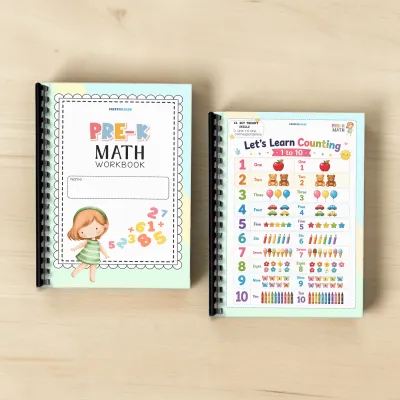
334 Lazada user ratings
Perfect for kindergarten and preschool math practice, Easy to follow and understand, Provides a solid foundation in math, Helps develop crit…Read full reviewShow less
Perfect for kindergarten and preschool math practice, Easy to follow and understand, Provides a solid foundation in math, Helps develop critical thinking skills, High-quality black and white pages, Engaging activities for young children, Clear and concise instructions, Excellent resource for teaching math concepts,
Helps develop critical thinking skills, Excellent resource for teaching math concepts, Easy to follow and understand, Easy to follow and und…Read full reviewShow less
Helps develop critical thinking skills, Excellent resource for teaching math concepts, Easy to follow and understand, Easy to follow and understand, Clear and concise instructions,
Ang ganda nito kasi lahat ng gusto ko matutunan ng anak ko andito. Malinaw at maganda presentation. Buti available na yung mga ganito.
Price:super save Po talaga Content Quality:matototo talaga mga anak nyo noto super na Gus tohan ko Pina answer ko agad sa anak ko
MAAYOS ANG PACKAGING. MABILIS ANG SHIPPING AT SULIT ANG DEALS SA DAMING DISCOUNT. SALAMAT SA UULITIN
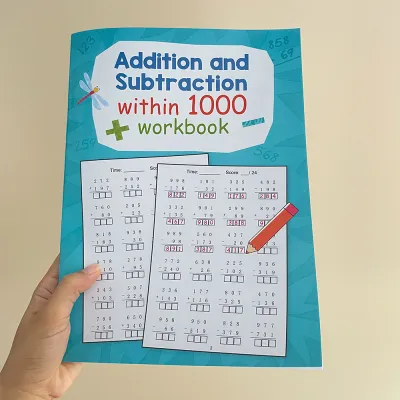
59 Lazada user ratings
Ideal for classroom use, Encourages math confidence, Good for daily exercises, Durable paper quality, 3-digit addition and subtraction,
Items wrapped properly and securely, delivered it in 3-days. Good quality, useful for kids and good for math practice.
hajshshhsshjakakxbbshsk jsjsjsjsjsjjskdnkskajwjs jsnsjsksksnsbbdbbdbdbsns hakaksvbs
Ideal for classroom use, Durable paper quality, Clear and organized layout,
504 Lazada user ratings
Reinforces addition and subtraction skills, Great for basic math practice, Ideal for primary school students, Helps improve calculation spee…Read full reviewShow less
Reinforces addition and subtraction skills, Great for basic math practice, Ideal for primary school students, Helps improve calculation speed,
Reinforces addition and subtraction skills, Great for basic math practice, Basa yung workbook. Butas din kasi yung plastic sa gilid.
Ideal for primary school students, Helps improve calculation speed, Reinforces addition and subtraction skills,
Packed okay as no damage when the product was received. Order receieved is exactly as ordered. Thank you.
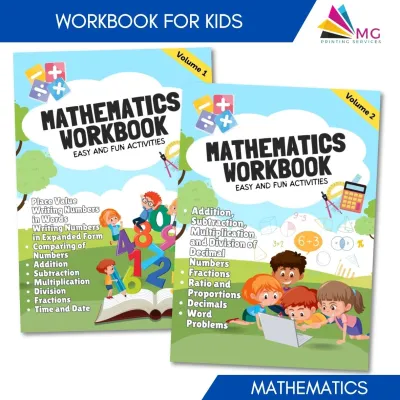
103 Lazada user ratings
This math workbook is a game-changer for my kid! The exercises are engaging, and the explanations are clear. It covers a range of topics, fr…Read full reviewShow less
This math workbook is a game-changer for my kid! The exercises are engaging, and the explanations are clear. It covers a range of topics, from basic addition to more complex problems. The layout is colorful and fun, making math practice enjoyable. I've seen a significant improvement in my child's confidence and skills. Highly recommend for parents looking for a comprehensive and interactive math resource!
Designed for easy understanding, Covers essential math topics, Back to back printed pages, this product is highly recommended, thank you so …Read full reviewShow less
Designed for easy understanding, Covers essential math topics, Back to back printed pages, this product is highly recommended, thank you so much seller
📚Content Quality:Designed for easy understanding, Back to back printed pages, Covers essential math topics, Durability:Well-made, Very durab…Read full reviewShow less
📚Content Quality:Designed for easy understanding, Back to back printed pages, Covers essential math topics, Durability:Well-made, Very durable, .
Covers essential math topics, Designed for easy understanding, Back to back printed pages, 🔨Durability:good Durability:good
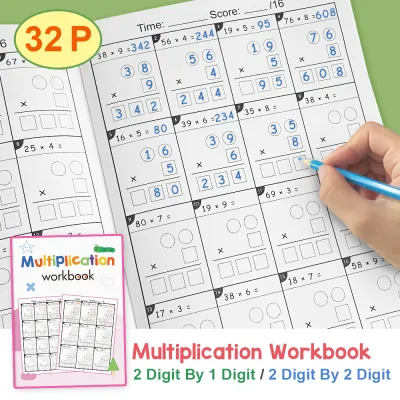
80 Lazada user ratings
Ideal for daily practice, Long division practice included, Suitable for 10-13 years old, 😚🙁😙😚😞😋
Design:💯 Price:💯 Durability:💯 all ok. preparation workbook for my son.
Helps improve math fluency, Clear multiplication exercises,
Helps improve math fluency,

1,460 Lazada user ratings
Good items! 👍👍👍👍 Delivered items were complete! 🚚🚚🚚 Delivered just on time! 😃 No damages, in good condition with excellent quality! 🎉 👍👍👍👍📦📦 I can use…Read full reviewShow less
Good items! 👍👍👍👍 Delivered items were complete! 🚚🚚🚚 Delivered just on time! 😃 No damages, in good condition with excellent quality! 🎉 👍👍👍👍📦📦 I can use everyday! 🗓 🗓🗓🗓🗓🗓🗓 I will order again! 😄😄😄 Five stars for this order! ⭐️⭐️⭐️⭐️⭐️ You get your money’s worth! Thank you
Ang ganda makakatulong to sa anak 😍 Thankyou seller sa uulitin ulet. Easy to understand instructions, Helps improve math skills, High-qualit…Read full reviewShow less
Ang ganda makakatulong to sa anak 😍 Thankyou seller sa uulitin ulet. Easy to understand instructions, Helps improve math skills, High-quality notebook,
Engaging and interactive exercises, Helps improve math skills, Perfect for kindergarten students, High-quality notebook, Durable and long-la…Read full reviewShow less
Engaging and interactive exercises, Helps improve math skills, Perfect for kindergarten students, High-quality notebook, Durable and long-lasting,
Quality:Excellent paper quality, Design:Beautiful cover designs, Unique patterns, Price:Great value, Affordable price, Reasonable cost,
Quality: Excellent paper quality, Design: Eye-catching, Price: Great value, Reasonable cost
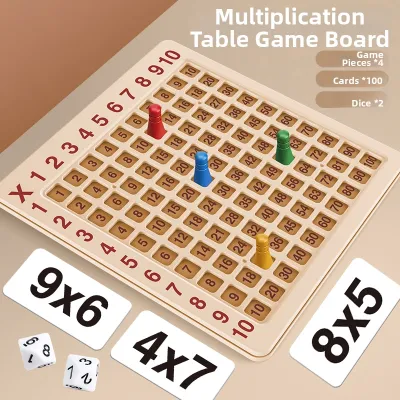
Prices are valid at publication and may change. Please refer to the product page for the latest price.
Establishing a simple, consistent pre-session ritual helps signal to your child’s brain that it is time to transition from play to focused learning. This transition can be as simple as a quick stretching routine, clearing the table together, or singing a short counting song. These predictable cues reduce resistance by mentally preparing your child for the structured task ahead.
Designing the Daily Math Workbook Routine
A structured daily routine provides children with a sense of security and predictability, making them more receptive to academic challenges. By establishing a clear flow for each math session, you transform workbook practice from an unpredictable chore into a manageable, expected part of the day.

Setting the Right Session Length and Pacing
Determining the ideal duration for a math session depends heavily on your child’s developmental stage and individual attention span. For younger learners in early primary grades, a focused block of 15 to 20 minutes is often the natural limit, while older children might comfortably work for 30 to 45 minutes. Forcing a child to sit past their natural focus threshold usually leads to diminishing returns and unnecessary frustration.
To find your child’s baseline, observe their behavior during a few unpressured sessions and note when their attention begins to drift or when they start fidgeting. Use this observation to set your initial session length, aiming to end the lesson on a positive note while they are still feeling successful. It is far better to have a highly productive 15-minute session than a grueling hour-long battle over a single page.
When facing long or complex workbook chapters, break the material down into small, digestible daily chunks rather than trying to complete an entire section at once. If a page introduces a difficult new concept like multi-digit multiplication or fractions, focus on just two or three problems together on the first day. You can save the rest of the page for the following day once the basic concept has had time to settle.
Recognizing the early signs of cognitive fatigue allows you to intervene before a full meltdown occurs. Watch for subtle cues such as heavy sighing, rubbing the eyes, erasing repeatedly, or staring blankly at a simple problem. When these signs appear, it is a signal to pause, change the activity, or conclude the math session for the day, preserving your child’s positive association with the subject.
Blending Workbook Practice with Hands-On Activities
Abstract numbers on a printed page can feel distant and confusing to a young mind, but connecting those symbols to physical objects makes math tangible and exciting. You can easily model workbook equations using common household items, such as dried beans, pebbles, or safety pins. If a workbook problem asks your child to add seven and five, have them physically count out groups of local items on the table before writing down the final sum.
Integrating active movement breaks between seated workbook tasks keeps physical restlessness at bay and re-energizes the brain. If your child completes a challenging set of subtraction problems, invite them to stand up and do ten jumping jacks or hop across the room to count the tiles on the floor. This physical release helps dissipate accumulated tension and prepares them to tackle the next written exercise with renewed focus.
You can also verify workbook answers through real-world applications around the home to show the practical value of math. Have your child help you measure ingredients for a simple recipe, count out change using ₱10 and ₱20 play bills, or measure the length of their favorite toy with a ruler. Seeing math in action outside the workbook pages builds genuine curiosity and reinforces the concepts they are learning.
Strategies to Maintain Focus and Engagement
Keeping a child engaged during daily math sessions requires a toolkit of strategies that prioritize motivation, emotional safety, and active participation. Introducing elements of choice can instantly transform a child’s attitude toward their workbook. Allow them to decide whether to complete the odd or even numbers first, or let them choose between using a blue pencil or a green pencil to write their answers. This small sense of autonomy makes them feel like active participants in their education rather than passive recipients of instructions.
Gamifying standard workbook exercises is another highly effective way to maintain high interest. Turn a page of simple addition drills into a playful race against a timer, or pretend that each correct answer helps a favorite toy climb a staircase of books. You can also cover some problems with small sticky notes and let your child “reveal” each challenge as they progress, turning a static page into an interactive game.
When offering feedback, focus your positive reinforcement on your child’s effort, persistence, and problem-solving strategies rather than just the correct answers. Praise statements like, “I love how you didn’t give up when that fraction problem got tricky,” or “Your strategy of drawing dots to count really worked well here.” This approach fosters a growth mindset, teaching your child that intelligence is developed through practice and determination.
Managing math anxiety requires handling mistakes constructively so that errors are viewed as natural steps in the learning process. If your child makes a mistake, avoid immediate correction; instead, ask guiding questions like, “Can you show me how you got this number?” or “Let’s use our counting blocks to double-check this one.” This keeps the tone collaborative and prevents the child from feeling discouraged or defensive.
There will be days when environmental factors, poor sleep, or sheer mental exhaustion make progress impossible. Knowing when to pause the session, step away, and reset the learning environment is a vital homeschooling skill. If frustration peaks, close the workbook without guilt, step outside for some fresh air, or switch to a completely different activity, returning to the math concept later when everyone is calm and rested.
Tracking Progress and Adapting the Plan
An effective homeschooling math routine is never static; it must evolve alongside your child’s growing skills and changing developmental needs. Periodically reviewing completed workbook pages together allows you to spot recurring error patterns or conceptual gaps that need extra attention. If you notice your child consistently struggling with carrying numbers in addition, you can pause forward progress in the workbook to spend a few days reinforcing that specific foundational skill.
Be ready to adjust the daily workload, pacing, or difficulty level based on your child’s daily performance. If they are breezing through a section with ease and showing signs of boredom, it is perfectly fine to skip repetitive practice problems or move ahead to more challenging topics. Conversely, if a concept is causing tears, slow down the pace, reduce the number of daily problems, and spend more time on hands-on modeling.
Celebrating learning milestones and consistency is essential for building long-term academic confidence. Mark the completion of a workbook chapter or a week of consistent effort with a small, non-monetary celebration, such as a special game night, a trip to a local park, or making a favorite snack together. Recognizing these achievements helps your child see their own progress, reinforcing the idea that consistent daily effort leads to rewarding results.
Frequently Asked Questions (FAQ)
How many pages of a math workbook should my child complete each day?
The number of pages your child should complete daily varies significantly based on their age, the difficulty of the topic, and their individual processing speed. For younger children in kindergarten or first grade, one to two pages of highly visual, large-print exercises are usually sufficient to reinforce concepts without causing fatigue. For older students, a single page containing complex multi-step problems or word problems might require a full session of deep concentration.
Instead of setting a rigid page goal, establish a flexible framework based on time and focus. Aim for a consistent daily time block—such as 20 minutes of focused work—and let your child complete as many or as few problems as they can comfortably manage within that window. This approach removes the pressure to rush, encourages careful work, and allows you to adjust daily targets naturally as the complexity of the math topics changes.
What should I do if my child refuses to do their math workbook?
When a child refuses to work, start by identifying the underlying cause of their resistance, which is often rooted in mental fatigue, conceptual confusion, or boredom. If the material is too difficult, they may avoid it out of fear of failure; if it is too repetitive, they may check out mentally. Understanding whether the refusal is an emotional response to difficulty or a reaction to a dry format helps you choose the right intervention.
To overcome resistance, try changing the learning format or the environment to reset your child’s mindset. Move the session outdoors to a shaded veranda, or swap the workbook for a dry-erase whiteboard, which often feels less permanent and intimidating to children. If the resistance is intense, take a temporary break from the workbook for a few days and focus entirely on math games or practical household counting tasks to rebuild their confidence before returning to the printed page.
Community discussion
Share your experience or ask a question. Comments are reviewed before publication.