
Starting an anime dvd collection in the Philippines is an exciting way to secure permanent ownership of your favorite series, bypass the volatility of streaming licenses, and enjoy high-quality physical media. In an era where digital titles can disappear overnight due to licensing shifts, owning physical discs ensures that your favorite episodes and movies remain accessible on your shelf. However, building a successful collection requires a clear understanding of technical specifications, regional playback restrictions, and local environmental factors.
Navigating this hobby successfully involves balancing your personal viewing preferences with practical considerations like budget, storage space, and sourcing channels. Because physical media is an investment, taking a structured approach to your first purchases will prevent common beginner mistakes and help you build a library that brings lasting satisfaction. By learning how to verify formats, identify authentic releases, and protect your discs from the local climate, you can establish a collection that stands the test of time.
Defining Your Collection Focus and Budget
To build a satisfying collection without feeling overwhelmed, begin by defining a clear focus for your physical library. Decide whether you want to preserve entire long-running television series, collect the complete filmography of specific directors, or focus on premium releases from beloved animation studios. Narrowing your scope early on helps prevent impulsive purchases that merely clutter your shelves and strain your finances.
Products mentioned in this guide
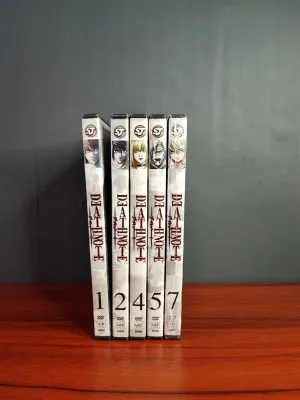
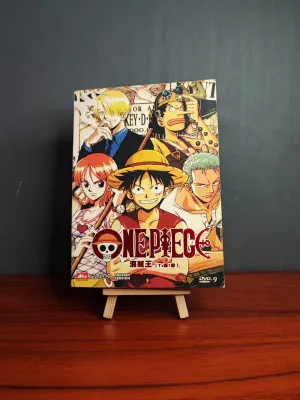
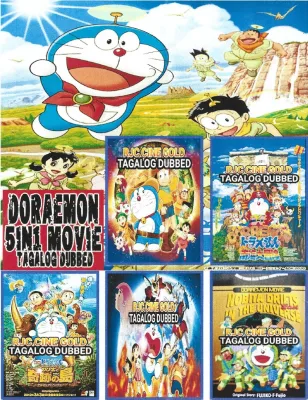
Prices are valid at publication and may change. Please refer to the product page for the latest price.
Setting a realistic budget in Philippine Pesos (PHP) is essential for sustaining this hobby over the long term. Standard retail DVD releases can range from ₱800 to ₱2,500 per volume or season set, depending on whether they are local distributions or standard imports. Premium limited editions, which often feature rigid chipboard boxes, art cards, and exclusive bonus discs, easily command prices between ₱5,000 and ₱12,000.
Remember that physical media collecting is a gradual pursuit rather than a race to acquire everything at once. Start by acquiring one or two of your absolute favorite titles to understand the purchasing pipeline and assess your storage capacity. This measured approach allows you to refine your tastes, manage your expenses, and avoid the common beginner trap of buyer’s remorse.
Checking Formats, Region Codes, and Subtitles
Before purchasing any disc, you must understand the technical differences between available formats to ensure they match your playback setup. Standard DVDs offer standard-definition video (typically 480i or 480p), which is highly accessible and compatible with older equipment but may look soft on modern high-definition screens. Blu-ray discs provide high-definition video (1080p), significantly higher audio bitrates, and a much more durable protective coating that resists light scratches. Ultra HD Blu-rays (4K) offer the pinnacle of visual quality but are less common for older anime series and require specialized 4K players and displays.

Region coding is one of the most critical technical barriers for physical media collectors to navigate. DVDs are divided into geographical regions to control global distribution, and the Philippines is historically categorized under Region 3 (Southeast Asia). However, the vast majority of high-quality anime releases originate from Region 1 (North America) or Region 2 (Japan). If you purchase a standard Region 1 DVD, it will not play on a standard Region 3 player unless you use a multi-region device.
For Blu-ray discs, the regional boundaries are different and generally more favorable for local collectors. The Philippines is part of Region A, which handily includes both North America and Japan. This shared region makes importing North American Blu-rays highly convenient, as they will play natively on standard Blu-ray players and gaming consoles purchased locally. Always verify the region code listed on the product packaging before finalizing your purchase.
Language options and subtitle availability require meticulous verification before checkout. Never assume that an imported disc includes English subtitles or an English audio track. Domestic Japanese releases, often targeted at local collectors, frequently omit English subtitles entirely. Carefully read the product specifications, check online database registries, or examine photos of the back cover to confirm that the disc includes your preferred audio and subtitle options.
Sourcing Anime DVDs Locally and Online
Finding authentic physical anime media in the Philippines requires knowing where to look, as mainstream department stores have largely phased out physical disc sections. Local specialty stores, including independent comic book shops, hobby stores, and specialized media retailers in metropolitan hubs, remain excellent options. Visiting these physical storefronts allows you to inspect the condition of the packaging directly, verify the region codes on the back cover, and take your purchase home immediately without waiting for shipping.
Online marketplaces offer unparalleled convenience and a wider selection, but they require a cautious approach to avoid counterfeit goods. When browsing major e-commerce platforms, prioritize sellers with verified business badges or official store designations. Carefully read customer reviews, paying close attention to user-uploaded photos of the physical packaging rather than relying solely on stock images. Avoid listings with exceptionally low prices, as a complete season of a popular anime offered for a fraction of its retail value is a strong indicator of an unauthorized counterfeit.
Direct importing from international retailers or utilizing Japanese proxy shopping services opens up access to exclusive releases and rare collector’s items. When ordering directly from overseas, you must account for international shipping fees, which can occasionally exceed the cost of the media itself when using expedited couriers. Additionally, be mindful of local customs regulations: under current Philippine guidelines, imported shipments with a total value under ₱10,000 are generally exempt from customs duties and taxes, though minor postal handling fees may still apply upon delivery.
Steps to Evaluate and Buy Your First Anime DVD
To ensure a smooth purchasing experience and avoid costly mistakes, follow a structured process starting with thorough research.
Step 1: Research the Release Begin by identifying the official distributor responsible for the release, such as Crunchyroll, Sentai Filmworks, or Viz Media. Check official announcements to confirm the release date, the exact contents of the edition (such as standard versus limited editions), and what physical or digital bonuses should be included in the package.
Step 2: Verify the Listing When viewing a product listing online, scrutinize the provided details. Look for official distributor logos and check the listed region codes and subtitle tracks. If the listing only uses generic promotional images, message the seller directly to request clear photos of the actual item, specifically the back cover where technical specifications are printed.
Step 3: Compare and Checkout Compare the total landed cost across multiple trusted platforms. Calculate the base price of the item combined with domestic or international shipping fees, packaging surcharges, and any payment processing fees. Utilize secure payment methods that offer robust buyer protection to safeguard your funds in case of shipping damage or transit loss.
Step 4: Inspect Upon Delivery Once your package arrives, record a continuous, unedited video of the unboxing process, which serves as vital evidence if you need to file a dispute. Check that the plastic shrink wrap is intact, the outer case is undamaged, and all promised booklets or inserts are present. Finally, inspect the playable surface of the disc under a bright light to ensure there are no deep scratches or manufacturing defects before playing it.
Protecting Your Collection from Humidity and Damage
The tropical climate of the Philippines presents unique environmental challenges that can severely damage physical media collections if left unaddressed. High relative humidity and elevated temperatures create an ideal environment for mold growth, which can ruin paper inserts, warp cardboard boxes, and degrade disc surfaces. Over time, excessive moisture can also lead to “disc rot,” a chemical degradation where the internal reflective layer of the disc oxidizes, rendering the media permanently unreadable.
To safeguard your investment, implement stable and secure storage solutions. Store your DVDs and Blu-rays upright on sturdy shelving, much like books on a bookshelf. Avoid stacking cases horizontally, as the continuous downward pressure can warp the lower discs and damage the plastic cases over time. Position your shelves away from direct sunlight, exterior walls that tend to trap moisture, and direct air currents from air conditioning units, which can cause rapid temperature changes.
Incorporating moisture-control measures is highly beneficial in humid environments. Placing silica gel packets inside your storage cabinets or using a dedicated room dehumidifier during the rainy season can significantly lower humidity levels around your collection. Additionally, practice proper handling techniques: always hold discs by their outer edges or the center spindle hole to prevent transferring skin oils, which attract dust and foster fungal growth. When cleaning dust or smudges, use a dry, clean microfiber cloth and wipe gently in straight radial lines from the center outward; never wipe in circular patterns, as circular scratches can permanently disrupt the optical laser’s path.
Frequently Asked Questions (FAQ)
Are bootleg anime DVDs common, and how can I spot them?
Yes, unauthorized copies and bootlegs are highly prevalent in physical flea markets, night markets, and unverified online listings throughout the region. Spotting these counterfeits requires looking for several distinct visual cues. Authentic releases feature sharp, high-resolution cover art, correct publisher logos, and official holographic security stickers, whereas bootlegs often display blurry or pixelated printing, spelling errors, and generic packaging. Furthermore, inspect the physical disc itself: official releases are professionally pressed on silver-backed discs, while bootlegs typically use recordable DVD-Rs, which have a distinct purple, blue, or dark gold tint on the playable side.
Do I need a special player to watch imported anime DVDs?
Yes, if you are importing DVDs from regions outside of Region 3, you will generally need a region-free (multi-region) DVD player to bypass geographical playback restrictions. Standard DVD players sold in local appliance stores are typically locked to Region 3 and will display an error message when attempting to play Region 1 (North America) or Region 2 (Japan) discs. For Blu-ray discs, the shared Region A classification means standard local players and gaming consoles can play imports from Japan and North America without issue, but playing Region B discs (from Europe or Australia) will still require a specialized region-free Blu-ray player. Always consult your playback device’s user manual or manufacturer specifications to verify its regional compatibility before purchasing imported media.
Community discussion
Share your experience or ask a question. Comments are reviewed before publication.