
Finding a genuine keyboard piano yamaha on sale in the Philippines requires more than clicking the checkout button during a major online promotional event. While discount banners and flash sales are common on local e-commerce platforms, navigating these deals requires a strategic approach to ensure you are getting an authentic instrument at a fair price. Spotting a true bargain involves verifying the recommended retail price, evaluating the practical value of bundled accessories, and confirming that the product is backed by an official local warranty rather than a risky grey-market import.
The Philippine music market features a wide array of options, from compact portable keyboards to heavy, furniture-style digital pianos. Because these instruments represent a significant financial investment, understanding how to distinguish a marketing gimmick from a legitimate markdown is essential. By taking a methodical approach to your purchase, you can secure a high-quality Yamaha instrument that supports your musical journey without falling victim to inflated baseline prices or hidden logistical expenses.
Define Your Musical Needs Before Chasing Discounts
Before browsing any promotional events, you must establish exactly what type of instrument your musical goals require. It is easy to be swayed by a steep discount on a professional synthesizer or a high-end workstation, but if your primary goal is to learn classical piano, those advanced features will go unused. Conversely, buying a basic, unweighted keyboard simply because it is cheap will quickly hinder a student’s progress.
Products mentioned in this guide
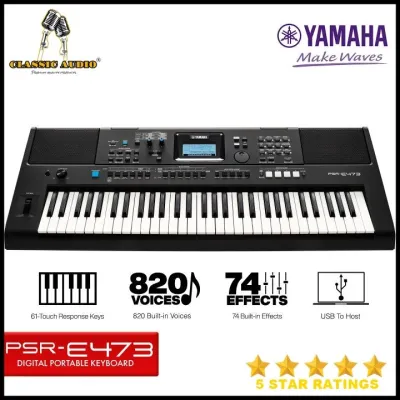
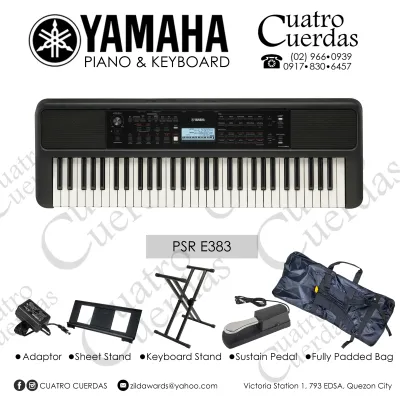
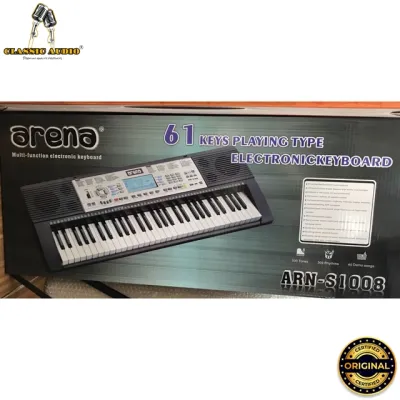
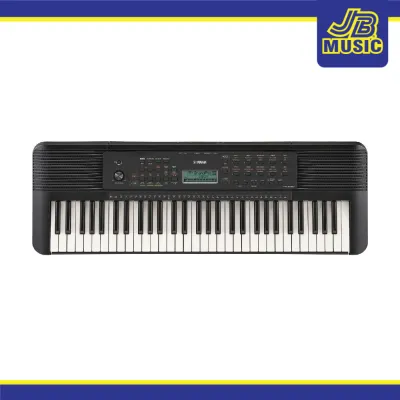
Prices are valid at publication and may change. Please refer to the product page for the latest price.
Yamaha categorizes its keyboard instruments into distinct families, each designed for specific use cases. The PSR series consists primarily of portable arranger keyboards, which feature lighter, unweighted keys and a vast library of backing rhythms and instrument voices. These are excellent for casual hobbyists, entertainers, or those who want to play popular music with full accompaniment. However, they do not mimic the feel of an acoustic piano.
For serious piano students, the P-series (such as the portable P-145 or P-225) or the Arius YDP-series are much more appropriate. These digital pianos feature weighted keys that simulate the resistance of traditional acoustic piano hammers. This key action is vital for developing proper finger strength and expressive control. If you purchase an arranger keyboard with light, springy keys for a student taking classical lessons, they will struggle to transition to an acoustic piano during exams or recitals.
Knowing your space limitations is another critical factor. A cabinet-style digital piano like the Arius series provides a beautiful aesthetic and a stable pedal lyre, but it occupies a fixed footprint in your home. If you live in a condominium in Metro Manila or need to transport your instrument for gigs, a portable digital piano from the P-series that can be easily packed into a gig bag is a far more practical choice.
By listing your non-negotiable features—such as MIDI connectivity for computer recording, a specific number of keys (61 keys for casual play versus 88 keys for full piano repertoire), or weighted key action—you create a defensive barrier against impulse buying. A heavily discounted model that lacks your essential features is never a good deal, while a modest discount on the exact model you need represents true value.
How to Verify if a "Sale Price" is a Genuine Bargain
During major promotional campaigns in the Philippines, such as mid-year clearances, anniversary sales, or monthly double-day events, discount percentages can be highly misleading. A common retail tactic is to artificially inflate the baseline price of an item immediately before a promotion, only to mark it down to its standard retail price under the guise of a massive discount. To protect yourself from this illusion, you must establish an accurate price baseline.

Start by visiting the official website of Yamaha’s authorized distributor in the Philippines or contacting their physical showrooms in Metro Manila. The distributor sets the official Suggested Retail Price (SRP) in Philippine Pesos (₱). This SRP serves as your anchor. Any promotional price you see online or in retail stores should be compared directly against this official figure, rather than the “original price” claimed by an individual online seller.
Next, conduct a cross-platform price comparison. Check the pricing of the specific Yamaha model across multiple authorized physical music stores and reputable online marketplaces. Genuine promotional discounts are often coordinated with the distributor, meaning you will see a consistent, modest price drop across all authorized sellers. If one unauthorized online storefront claims to offer the instrument at half the price of every other store, this is a major warning sign of a counterfeit, a refurbished unit, or a grey-market import.
Be skeptical of store-wide banners promising “up to 70% off.” In most cases, these extreme discounts apply only to low-cost accessories, such as keyboard dust covers, basic cables, or music stands. The actual keyboard instruments, which have tighter profit margins, rarely see discounts exceeding 10% to 20%. Always calculate the absolute price difference in Pesos rather than relying on percentage banners to determine the actual savings on the keyboard itself.
Calculate the True Cost: Bundles, Shipping, and Warranties
The sticker price of a Yamaha keyboard piano on sale is only one part of the financial equation. To identify a truly beneficial deal, you must calculate the total cost of ownership, which includes auxiliary equipment, transportation fees, and long-term service protection.
Many retailers offer promotional bundles that package a Yamaha keyboard with accessories like an X-stand, an adjustable bench, a sustain pedal, and a pair of headphones. While these bundles appear to offer exceptional value, you must evaluate the quality of the included items. A heavy 88-key digital piano requires a sturdy, double-braced stand to prevent wobbling during expressive play. If the bundle includes a flimsy, single-braced stand or a poorly padded bench, you will likely need to replace them quickly, eliminating any initial savings. Inspect the specifications of the bundled headphones as well; low-quality headphones will muffle the high-fidelity sound samples of the keyboard, detracting from your playing experience.
Shipping and logistics are particularly critical in the Philippines, where transporting heavy, bulky items across an archipelago can be expensive. A portable keyboard might incur a modest shipping fee, but a cabinet-style digital piano packaged in a large, heavy wooden crate can attract substantial freight charges. When buying online, always input your delivery address—whether in Luzon, Visayas, or Mindanao—to calculate the final shipping cost before committing to the purchase. A discount on the instrument can easily be wiped out by high shipping fees, making a local physical store purchase more economical.
Finally, factor in the value of the warranty. Yamaha instruments are highly reliable, but complex electronic components can occasionally fail. A lower price from an unauthorized parallel importer often means forfeiting the official local warranty. If the keyboard malfunctions, repairing it through independent technicians using non-genuine parts can be expensive and may permanently compromise the instrument’s performance.
Red Flags: Avoiding Grey Market and Refurbished Traps
The market for musical instruments in the Philippines includes various parallel imports and grey-market goods. While these items are often marketed as brand-new, discounted stock, they carry significant risks that can turn a seemingly great deal into a costly mistake.
The most critical risk of grey-market Yamaha keyboards is electrical compatibility. Instruments manufactured for the North American or Japanese markets are designed to run on 110V or 120V electrical systems. The standard voltage in the Philippines is 220V. If you plug a 110V power adapter directly into a local wall outlet without a high-quality step-down transformer, you will instantly burn out the adapter and potentially destroy the internal circuitry of your keyboard. Even if the seller includes a cheap adapter, these third-party power supplies often lack proper voltage regulation, introducing unwanted hum or electrical noise into your audio output.
To avoid these issues, always verify that the seller is an authorized Yamaha dealer. Authorized dealers receive their stock directly from the official Philippine distributor, ensuring that all power adapters, user manuals, and internal configurations are tailored specifically for the local market. You can verify a dealer’s status by checking the official distributor’s directory or requesting proof of authorization.
Clearance sales are also common avenues for retailers to liquidate refurbished, returned, or display units as brand-new stock. When inspecting a keyboard, look for physical red flags:
- Packaging Integrity: Genuine, new Yamaha keyboards arrive in heavy-duty cardboard boxes sealed with heavy-duty factory tape. Re-taped boxes or generic packaging suggest the unit has been unboxed, used as a floor model, or repaired.
- Chassis and Key Wear: Examine the plastic casing for fine scratches, especially around the input ports and control buttons. Dust accumulation in the gaps between the keys or uneven key alignment often indicates a returned or heavily demoed unit.
- Serial Number Consistency: Verify that the serial number printed on the adhesive label on the underside of the keyboard matches the serial number printed on the outer shipping box and the official warranty card.
Your Final Pre-Checkout Verification Checklist
Before finalizing your purchase during a promotional event, take a moment to systematically verify the details of your order. This quick review prevents common purchasing errors and ensures a smooth after-sales experience.
- Model Suffix and Region Code: Ensure the model name matches your research exactly. For example, a "B" suffix usually denotes a black finish, while other regional codes confirm the inclusion of a compatible 220V power adapter.
- In-the-Box Accessories: Read the product description carefully to confirm that the package includes the music rest, the power supply (such as the Yamaha PA-150), and a sustain pedal. Some budget listings strip these accessories out to advertise a lower price.
- Return and Replacement Policy: Confirm that the seller offers a clear return window (typically 7 to 14 days) specifically covering factory defects or transit damage, which is vital when shipping fragile electronics.
- Invoice and Warranty Documentation: Ensure the seller will issue an official sales invoice or official receipt. This document is mandatory for registering your instrument and claiming warranty services at authorized repair centers in the Philippines.
Frequently Asked Questions (FAQ)
Does the official Yamaha warranty cover units bought during online flash sales?
Yes, the official Yamaha warranty covers instruments purchased during online flash sales, provided that the online storefront is an authorized dealer. The warranty validity is determined by the seller’s official authorization status, not the price or the promotional format of the sale. When purchasing during a flash sale, always ensure the seller issues an official sales invoice and a stamped warranty card, as these documents are required to claim warranty services at authorized local service centers.
Is it better to buy a Yamaha keyboard during a holiday sale or wait for a new model release?
For beginners and intermediate players, buying a current Yamaha model during a major holiday sale offers the best balance of value and performance. Yamaha’s product lifecycles for entry-level and mid-range keyboards are relatively long, meaning a current model will remain relevant for many years. However, if you are an advanced musician looking at a high-end workstation or a premium digital piano that is nearing the end of its typical production cycle, waiting for the next-generation release can be advantageous, as retailers often offer deep clearance discounts on the outgoing model to clear inventory.
Community discussion
Share your experience or ask a question. Comments are reviewed before publication.