
Finding a great deal on Toilet Bound Hanako Kun manga online in the Philippines can feel like a major win for your collection, but high demand has flooded ecommerce platforms with low-quality, unauthorized bootlegs that ruin the reading experience. To spot a fake Toilet Bound Hanako Kun manga volume, you must carefully inspect the cover’s print resolution and texture, check for off-white or cream-colored interior pages with sharp line art, verify the official Yen Press publisher logos and matching ISBNs, and avoid listings with suspiciously low prices or vague descriptions like “reprint” or “unbranded.” Taking the time to verify these physical and digital details ensures you support the original creators while building a durable, high-quality library.
How can you tell if a Toilet Bound Hanako Kun cover is authentic?
An authentic Toilet Bound Hanako Kun cover features high-resolution artwork with vibrant color saturation, a distinct matte finish, and a perfectly aligned spine that displays the Yen Press logo without any peeling or bubbling.
When examining the cover art, look closely at the fine lines and gradients. The illustrator, AidaIro, uses a highly detailed, watercolor-like art style with intricate linework that counterfeiters struggle to replicate. Bootleg copies are almost always printed from low-resolution scans of official covers, which results in noticeable pixelation, blurry text edges, and unnatural color shifts. You might notice that the colors look overly dark, muddy, or washed out, losing the vibrant reds and deep teals characteristic of the series.
Products mentioned in this guide
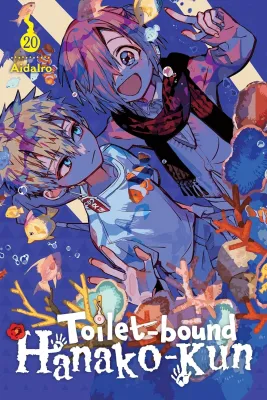
24 Lazada user ratings
The Pages Are Readable but sometimes unclear... plus It Is a Perfect choice for manga lovers!
Quality:not very readable. poor copy.
Clear English translation,
Quality:nice
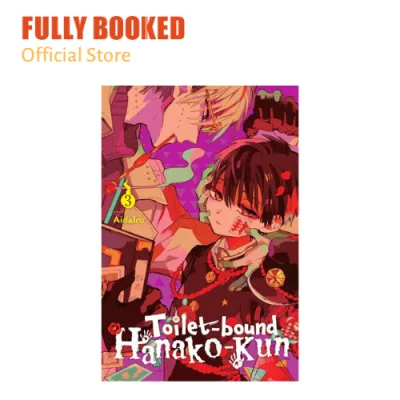
5 Lazada user ratings
💰Price: 100 🔍Quality: 100 📖Storyline: 100 Quality books from seller, maganda pagkaka balot and maayos na deliver, recommended talaga seller

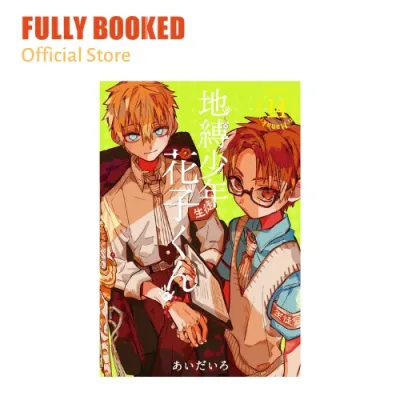
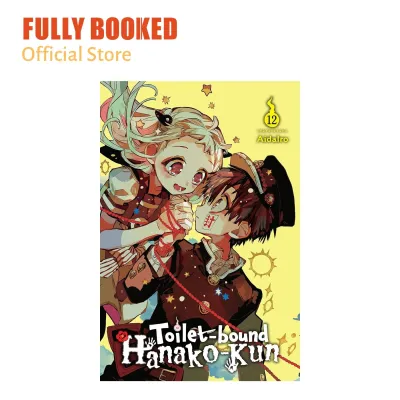
5 Lazada user ratings
arrived in good condition, shipped right away
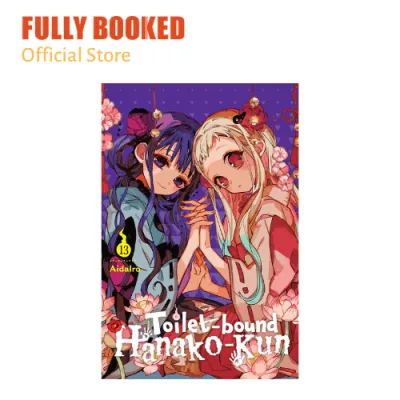
1 Lazada user ratings
i love iþtttttttttt fully book also have free bookmarks.............................
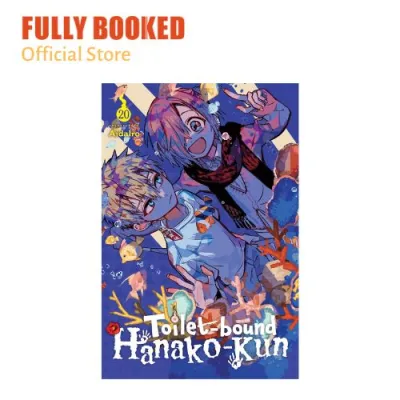
Prices are valid at publication and may change. Please refer to the product page for the latest price.
The tactile feel of the cover is another immediate giveaway. Official Yen Press editions use a high-quality matte paper stock that feels smooth and premium to the touch. Counterfeiters, aiming to cut costs, frequently print on cheap, glossy paper or use low-grade laminates. In the warm, humid climate of the Philippines, these low-quality glossy covers often feel sticky, attract fingerprints easily, and are highly prone to bubbling or peeling at the corners.
Next, inspect the spine of the book. On an authentic volume, the title, volume number, and Yen Press logo are perfectly centered and aligned. Because bootlegs are produced with poor quality control, their spines are often misaligned, causing the front cover artwork to wrap around onto the spine, or the spine text to appear crooked. Additionally, check the top and bottom edges of the spine for glue quality. Official volumes feature clean, tight binding with minimal visible adhesive, while fakes often show messy, thick layers of yellowing hot-melt glue that can crack when the book is opened.
Finally, compare the physical dimensions of the book if you have an established official volume on hand. Official Yen Press manga volumes follow standard industry dimensions, measuring approximately 5 by 7.5 inches. Counterfeit copies are often cut unevenly, resulting in volumes that are slightly shorter, narrower, or have rough, jagged edges where the trimming blades failed to make a clean cut.
What should the paper quality and printing look like inside?
Inside an authentic volume, the pages are printed on thick, off-white or cream-colored paper that resists ink bleed-through, featuring sharp black-and-white line art and clear halftone dots.

The paper stock used in official manga is specifically chosen for durability, readability, and texture. Yen Press utilizes a high-quality, lightweight book paper that has a distinct cream or off-white hue, which reduces eye strain during long reading sessions. Bootleg publishers, however, typically print on cheap, bright white printer paper or thin, greyish newsprint. This low-grade paper is highly susceptible to environmental damage; in tropical humidity, it absorbs moisture rapidly, causing the pages to warp, ripple, and stiffen over time.
When you flip through the pages, observe the ink quality and opacity. Authentic printing ensures that the rich black inks remain solid and do not bleed through to the opposite side of the page. In counterfeit volumes, the paper is often so thin and the ink application so heavy that you can easily see the artwork from the reverse page bleeding through, making the text difficult to read. The black areas in fakes may also look faded, grey, or streaky rather than a solid, deep black.
AidaIro’s signature art style relies heavily on delicate halftone patterns—tiny dots used to create shading and texture. In an official print, these halftone dots are crisp, distinct, and clean. In a bootleg copy, the low-resolution scanning and printing process causes these dots to blur together, resulting in muddy grey patches, pixelated gradients, and a loss of visual depth.
Dialogue bubbles and translated sound effects should also be perfectly legible. Official editions feature clean, high-resolution typesetting with consistent font sizes and sharp edges. If you notice fuzzy text, jagged letters, or words that are cut off by the inner margin (known as the gutter), you are likely holding a counterfeit copy.
How do you verify the publisher imprints and copyright pages?
You can verify a volume’s authenticity by checking for the official Yen Press logo on the front, spine, and back cover, and cross-referencing the printed ISBN on the copyright page with official book databases.
Yen Press holds the exclusive English publishing rights for Toilet Bound Hanako Kun. Therefore, every legitimate English copy must prominently feature the Yen Press logo. Check the front cover, the bottom of the spine, and the back cover near the barcode. Counterfeiters sometimes omit these logos entirely to avoid direct trademark infringement, or they print them so poorly that the text inside the logo is unreadable.
The back cover of an official volume always features a clean, high-contrast barcode alongside the book’s price and a 13-digit International Standard Book Number (ISBN). Bootlegs often copy a single barcode from one volume and replicate it across an entire set, or print a blurry, low-resolution barcode that cannot be scanned. You can easily verify your copy by typing the 13-digit ISBN into an online search engine or an official book database. If the search results do not match the specific volume number of Toilet Bound Hanako Kun you are holding, the book is a fake.
Every authentic manga volume includes a detailed copyright page, usually located at the very front or the very back of the book. This page contains essential legal and production information, including the original Japanese publisher (Square Enix), the creator’s name (AidaIro), translator and letterer credits, and the printing history. Counterfeit copies frequently skip this page entirely to save paper, or they print a heavily blurred version where the small text is completely illegible. Look closely for spelling mistakes in the publisher’s name or the legal disclaimers, as these typographical errors are common in unauthorized reprints.
Which online marketplace listings raise red flags for bootlegs?
Online listings that offer complete manga sets at prices far below standard retail rates, use terms like “reprint” or “unbranded,” or feature stock images instead of actual product photos are major red flags for counterfeit volumes.
Pricing is often the most immediate indicator of a counterfeit listing. In the Philippines, a single official volume of English manga typically retails between ₱600 and ₱800 at major physical bookstores and authorized online distributors. If you encounter an online marketplace listing offering a “complete set” of 15 to 20 volumes for only ₱1,000 to ₱2,000, you should be extremely skeptical. While legitimate secondhand sellers do offer discounts, brand-new sets sold at these incredibly low prices are almost always unauthorized bootlegs printed on cheap materials.
Pay close attention to the specific keywords used in the product title and description. Because ecommerce platforms use automated filters to detect counterfeit goods, dishonest sellers use coded language to signal their products to buyers while avoiding penalties. Watch out for terms such as “co-print,” “reprint,” “laser print,” “high-quality copy,” “unbranded,” “custom book,” or “fan-made.” Official publishers never use these terms, and their presence is an open admission that the book is not an authentic Yen Press release.
The quality of the listing’s images and the seller’s profile can also reveal their legitimacy. Be wary of shops that only display official promotional graphics or stock photos of the manga covers. Legitimate sellers are usually willing to provide actual, high-resolution photos of the physical books, including the paper edges and the copyright page, upon request. Additionally, read the customer reviews carefully. Look for negative feedback mentioning “smelly ink,” “thin paper,” “blurry pages,” or “poor binding,” as these are classic complaints from buyers who fell victim to counterfeit operations.
What should you do if you receive a suspected counterfeit volume?
If you receive a counterfeit volume, you should immediately document the physical discrepancies with clear photos, file a refund request through your ecommerce platform’s buyer protection program, and report the seller to prevent others from being scammed.
Start by gathering clear, well-lit photographic evidence of the counterfeit book. Take close-up shots of the blurry cover art, the misaligned spine, the thin white paper with ink bleed-through, and any missing or misspelled information on the copyright page. If you already own an authentic Yen Press volume, take side-by-side comparison photos to clearly demonstrate the differences in paper color, thickness, and print quality. This visual evidence is crucial for proving your case to customer support.
Once your evidence is ready, initiate a return or refund request through the online marketplace where you made the purchase. Most major ecommerce platforms operating in the Philippines offer robust buyer protection policies that cover counterfeit items, provided you file the claim within the specified return window. Select the option indicating that the item is counterfeit or not as described, upload your photos, and write a concise, objective explanation of the physical flaws. Keep the book in its original packaging and do not write on or damage it while the dispute is being processed.
After securing your refund, take the extra step to report the fraudulent listing and the seller’s shop to the platform’s customer service team. Leaving a detailed, honest review with photos of the bootleg on the product page is also highly beneficial for the local collecting community. By warning other manga enthusiasts in the Philippines about dishonest sellers, you help maintain a safe marketplace and ensure that support goes directly to the creators who bring these beloved stories to life.
Community discussion
Share your experience or ask a question. Comments are reviewed before publication.