
Spotting authentic SEVENTEEN merchandise when shopping online in the Philippines requires a structured verification process that focuses on security holograms, print quality, and seller credibility. With the immense popularity of the group, counterfeit items frequently circulate on major online marketplaces. To safeguard your collection and ensure your money supports the artists, you must learn to inspect physical details—such as the official KOMCA or HYBE licensing stickers, cardstock thickness, and digital device compatibility—before finalizing any purchase.
Why Counterfeit K-Pop Merchandise is a Risk for Fans
The global rise of K-Pop has created an incredibly passionate community in the Philippines, with SEVENTEEN standing as one of the most beloved groups. This high demand, however, makes local fans, known as Carats, prime targets for counterfeiters. Online marketplaces are often flooded with unauthorized replicas of albums, lightsticks, apparel, and photocards.
Purchasing fake merchandise carries significant financial and emotional risks. For instance, buying a counterfeit “Carat Bong” (the official SEVENTEEN lightstick) means you will likely miss out on the interactive concert experience. Official lightsticks feature built-in Bluetooth technology that syncs with the venue’s control system during live shows in Manila or other tour stops. A counterfeit version will fail to connect, leaving you with a non-functional plastic prop during a performance.
Products mentioned in this guide
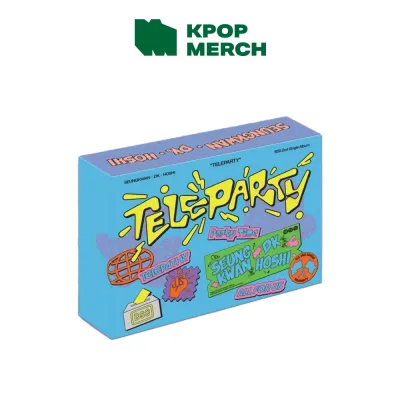
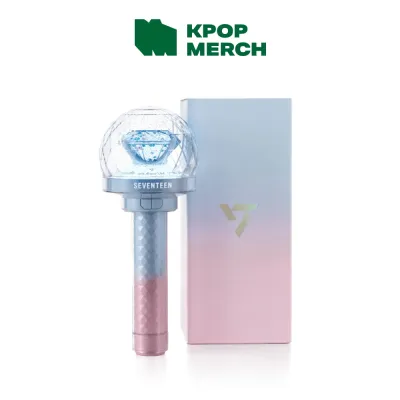
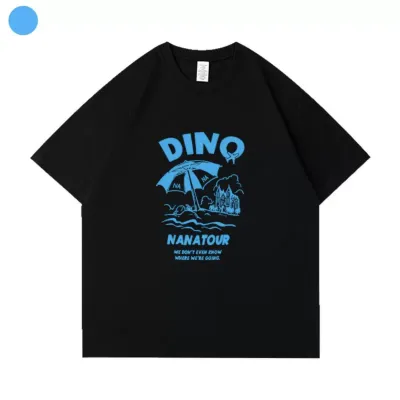
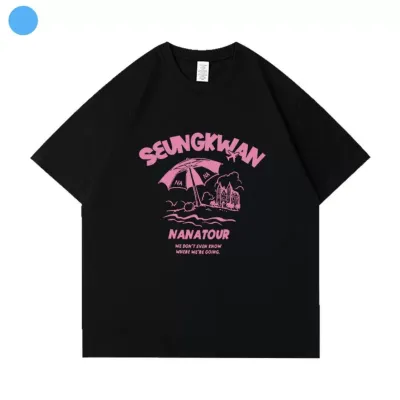
Prices are valid at publication and may change. Please refer to the product page for the latest price.
Furthermore, counterfeit items are typically made from cheap, low-grade materials. In the humid tropical climate of the Philippines, counterfeit paper goods like photobooks and photocards are highly prone to warping, peeling, or fading over time. Fake apparel often uses low-quality dyes that can bleed or irritate the skin, while poorly manufactured electronic items present battery leakage risks. By understanding how to spot these fakes, you protect your hard-earned Philippine Pesos (₱) and ensure that your collection remains durable and valuable.
How to Inspect SEVENTEEN Merchandise for Authenticity
When your package arrives, conducting a thorough physical inspection is the first line of defense. It is highly recommended to record a continuous, unedited unboxing video from the moment you cut the shipping tape. This serves as vital proof if you need to file a dispute later.

When inspecting your items, remember that minor manufacturing variations can occur even in official factories. A single microscopic print line or a slightly offset cut does not automatically mean an item is counterfeit. Instead, look for a combination of multiple red flags. To make an accurate assessment, compare your received item directly with official product images on the Weverse Shop or high-definition unboxing videos from trusted collectors online. Pay close attention to dimensions, weight, and color accuracy.
Packaging, Holograms, and Security Labels
Official SEVENTEEN merchandise and albums are protected by specific licensing and copyright labels. The most reliable indicator of authenticity is the official Korea Music Copyright Association (KOMCA) sticker or the HYBE licensing hologram sticker.
For albums, look for the KOMCA sticker on the back cover. Authentic KOMCA stickers feature a distinct, high-quality holographic pattern that shifts colors and reveals hidden security patterns when tilted under a light source. Counterfeit stickers are often flat, printed images that lack this dynamic color-shifting effect, or they may be poorly aligned and easy to peel off with a fingernail.
Official merchandise, such as concert goods or character plushies, will carry a HYBE holographic seal. Verify that the logo is sharp, the text is legible under magnification, and the barcode matches the official product listing. Fake packaging often suffers from low-resolution printing, resulting in blurry text, pixelated graphics, and incorrect font weights on the barcode labels.
Print Quality, Materials, and Craftsmanship
The physical build of the merchandise speaks volumes about its origin. Official SEVENTEEN apparel, such as concert hoodies or t-shirts, is made from heavy, durable cotton blends designed to maintain their shape. Examine the stitching: official garments feature tight, even seams with no loose threads. Counterfeit clothing often feels thin, uses synthetic polyester blends that trap heat in the warm Philippine climate, and features poorly aligned, screen-printed logos that crack after a single wash.
For the Carat Bong lightstick, inspect the plastic casing and the interior details. The official lightstick has a smooth, matte finish on the handle, a clean dome seal, and a highly detailed glitter structure inside. Counterfeits often have visible seam lines along the plastic mold, loose battery compartments, and off-color LEDs.
Device compatibility is a crucial verification step. Before purchasing or using a lightstick, verify that it can connect to the official SEVENTEEN Lightstick mobile application via Bluetooth. Authentic lightsticks require specific internal microchips to communicate with the app and the concert venue’s central transmitter. If the device fails to pair, or if the companion app does not recognize the hardware, the product is a counterfeit.
Photocards and Paper Goods
Photocards are the most widely traded and counterfeited items in the K-Pop hobby. Because they are highly sought after, counterfeiters produce “lomo cards” or high-quality replicas designed to look like the real thing.
To distinguish authentic SEVENTEEN photocards, start by checking the cardstock thickness and stiffness. Authentic photocards are printed on sturdy, professional-grade paper that does not bend easily. When held, they feel substantial. In contrast, fake photocards are often printed on thin, flimsy paper that quickly warps when exposed to the humidity of the Philippines.
Next, examine the surface lamination and edges. Authentic cards have a clean, glossy, or matte finish with smooth, rounded corners. During the manufacturing process, official cards are cut from larger sheets, which sometimes leaves tiny, subtle circular tabs on the corners—this is a sign of official production. Fakes are often cut individually using laser cutters, resulting in perfectly smooth but slightly off-dimension edges.
Finally, inspect the print resolution. Use a magnifying glass or your phone’s zoom lens to look at the details. Authentic cards feature sharp, continuous color gradients. Counterfeits often display a noticeable dot matrix pattern (pixelation) or a distinct color cast, making the members’ skin tones look overly orange, yellow, or washed out.
How to Choose Safe Purchasing Channels
Minimizing the risk of buying counterfeit SEVENTEEN merchandise starts with choosing the right shopping channels. The safest option is always to purchase directly from official sources, such as the Weverse Shop, or from authorized local retail partners with physical branches in major Philippine cities. These retailers source their inventory directly from South Korean distributors, ensuring that your purchase is counted on the Hanteo and Gaon (Circle) charts.
Before purchasing any SEVENTEEN album or media package, verify the specific edition, language, and medium format. Official albums come in various versions (such as standard, compact, or platform editions), and their contents differ significantly. For video media like concert DVDs or Blu-rays, check the regional code restrictions to ensure compatibility with your local playback devices in the Philippines. Never infer the contents or the completeness of an edition solely from the listing’s title or cover image; always cross-reference the official tracklist and inclusions list provided by the manufacturer.
If you choose to shop on popular online marketplaces in the Philippines, you must exercise extra caution. Look for sellers with verified badges, such as official mall status or preferred seller ratings. However, do not rely on badges alone. Dive deep into the customer reviews section. Look for reviews written by local buyers that contain actual photos and videos of the delivered items. Check if the packaging, holographic stickers, and overall quality match the standards of official merchandise.
Be highly skeptical of listings with prices that seem too good to be true. In the Philippines, a brand-new, official SEVENTEEN album typically retails between ₱900 and ₱1,500, while an official Carat Bong lightstick ranges from ₱2,500 to ₱3,800. If an online listing offers a “brand new” lightstick for ₱500 or an album for ₱200, it is almost certainly a counterfeit.
When buying “unsealed” albums or loose photocards from individual sellers on social media or local buy-and-sell communities, always ask for proof of purchase from an authorized store. Request close-up photos and videos of the item under clear lighting, and verify the seller’s legitimacy by looking for feedback tags or transaction histories within the local fan community.
What to Do If You Receive Counterfeit Items
If you open your package and suspect that you have received a counterfeit SEVENTEEN item, you must act quickly to secure a refund. The most critical rule is: do not click the button to confirm receipt or complete the order on your e-commerce app. Confirming the order releases the payment to the seller, making it significantly harder to get your money back.
Keep the item, its original packaging, and the shipping box exactly as they arrived. Do not damage, alter, or discard any part of the package.
Gather your evidence immediately. Record a detailed video showing the shipping label with your tracking number, followed by a close-up inspection of the counterfeit features. Take clear, high-resolution photos comparing the fake item’s defects—such as a blurry logo, a missing KOMCA sticker, or a non-functional Bluetooth connection—against the official specifications.
Initiate a return and refund request directly through the e-commerce platform’s built-in resolution center. Choose the option that indicates the product is counterfeit or not as described. Upload your video and photo evidence, and clearly explain why the item is fake, referencing the missing security features or poor craftsmanship.
Keep all communication with the seller strictly within the platform’s official chat system. Do not agree to move the conversation to external messaging apps, as the platform’s customer support team will only recognize chat logs from their own system during a dispute. Finally, report the seller’s listing and shop to the platform to help protect other Philippine Carats from falling victim to the same scheme.
Frequently Asked Questions (FAQ)
Are unofficial fan-made goods considered fake merchandise?
No, unofficial fan-made goods are distinct from counterfeit merchandise. Fan-made items—such as custom keychains, fan art prints, or personalized slogan banners—are created by independent artists within the fandom. They are transparently marketed as unofficial fan creations and do not attempt to mimic official branding, packaging, or holograms to deceive buyers. Counterfeits, however, are deliberately designed to copy official products in order to mislead consumers into believing they are purchasing genuine, licensed goods.
Can I trust a seller just because they have high ratings?
No, you should not rely solely on a seller’s overall star rating. Some shops build high ratings by selling cheap, unrelated items like hair accessories or phone cases, and then use those positive scores to mask the sale of counterfeit K-Pop merchandise. Additionally, some ratings may be artificially inflated. Always look specifically at the recent reviews for the exact SEVENTEEN item you want to buy. Pay close attention to reviews that include photos, and check for any negative feedback warning other buyers about counterfeit products.
Community discussion
Share your experience or ask a question. Comments are reviewed before publication.