
Verifying the authenticity of SEVENTEEN merchandise requires a combination of physical inspection, security tag verification, and careful seller evaluation. As the global popularity of the group grows, counterfeiters produce increasingly sophisticated replicas of albums, lightsticks, and photocard sets. For collectors in the Philippines, where the tropical climate can quickly degrade low-quality materials, ensuring you receive genuine official goods is essential to protecting both your financial investment and your collection’s longevity. By learning what to look for, you can confidently navigate the secondary market and support the artists directly.
The Impact of Counterfeit K-Pop Merchandise
Purchasing counterfeit K-Pop merchandise directly undermines the artists you intend to support. Official merchandise sales contribute to album chart tracking, such as the Circle Chart and Hanteo Chart, which directly influences SEVENTEEN’s performance on music shows and year-end award ceremonies. When you buy a counterfeit item, none of the proceeds go toward the group’s future productions, concert tours, or creative projects.
Beyond supporting the artists, material quality is a major differentiator between genuine and fake goods. Official items are manufactured using high-grade paper, archival-safe inks, and durable plastics designed to withstand environmental wear. In the Philippines, high humidity and ambient heat can cause cheap, counterfeit paper goods to warp, fade, or stick together over time. Fake plastics often emit strong chemical odors and degrade rapidly, ruining the aesthetic of your display.
Products mentioned in this guide
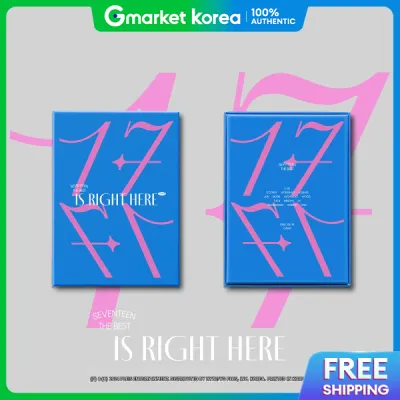
![NCAT SEVENTEEN: FACE THE SUN [CARAT VERSION]](https://img.lazcdn.com/g/p/1b3b00b2b91052d220658940e3149de9.jpg_400x400q80.jpg_.webp)
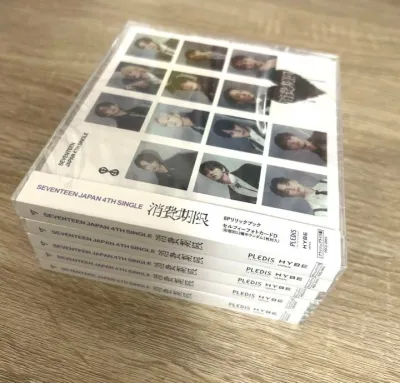
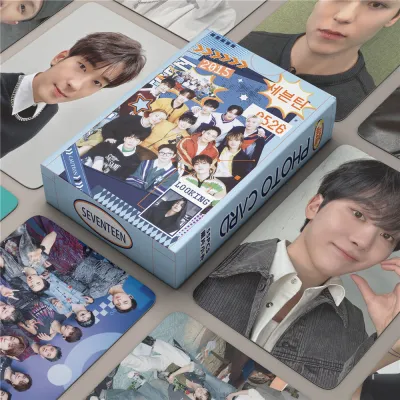
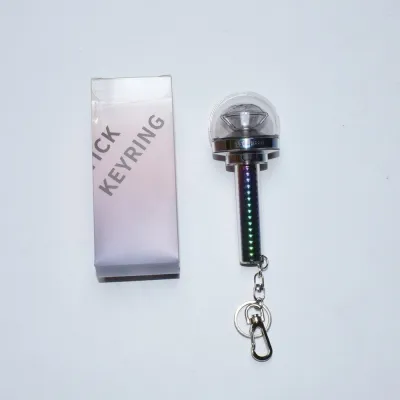
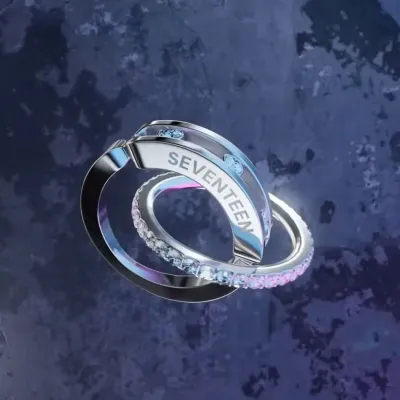
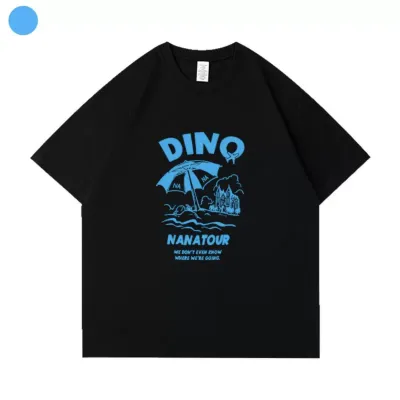
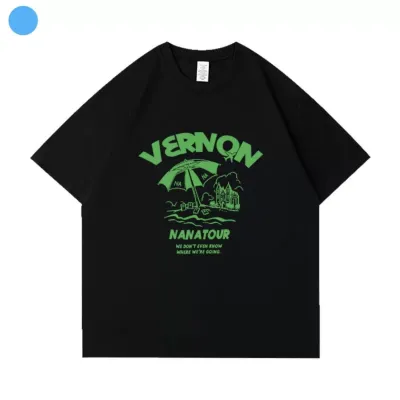
Prices are valid at publication and may change. Please refer to the product page for the latest price.
There is also a significant financial risk involved in buying replicas. Counterfeiters often list fake items at near-retail prices, tricking buyers into paying premium rates for low-quality imitations. These counterfeit items hold absolutely no resale or collectible value within the K-Pop community. If you ever decide to downsize your collection, an inauthentic item cannot be ethically traded or sold, resulting in a complete loss of your hard-earned money.
Inspecting Packaging and Print Quality
Physical inspection remains one of the most reliable ways to spot a fake. Counterfeiters usually work from scanned images of official products rather than original digital files, which leads to a noticeable loss of detail. When examining photocards or album covers, look closely for blurry text, misaligned logos, and incorrect color profiles. Genuine SEVENTEEN photocards feature sharp, high-definition printing where even the smallest text is legible under a magnifying glass, whereas fakes often display pixelation or a muddy color cast.

The tactile feel of the item can also reveal its origin. Official paper goods use specific paper weights, lamination styles, and edge-cutting techniques. Genuine photocards typically have clean, rounded corners with tiny, characteristic cutting tabs or “dots” on the edges left over from the manufacturing press. Replicas often have perfectly smooth, hand-cut edges, or corners with incorrect angles. The stiffness of the cardstock is another indicator; fake cards are often noticeably flimsier or excessively thick and rigid compared to the standard official stock.
Always verify the package contents against official brand announcements. Pledis Entertainment and HYBE release detailed preview graphics for every album and merchandise drop, listing the exact inclusions, tracklists, and publisher logos. Check that the font styles, spacing, and copyright text on your physical item match these official previews. A missing logo, a misspelled track name, or an incorrect inclusion assortment is a definitive sign of a counterfeit product.
Verifying Security Tags and Holograms
Official K-Pop merchandise almost always features specialized security markers to prove authenticity. For albums and official goods distributed from South Korea, look for the Korea Music Copyright Association (KOMCA) holographic sticker. These stickers are typically placed on the back of the album or on the outer packaging. When tilted under a light source, a genuine KOMCA sticker displays a distinct color shift and a detailed holographic pattern that is difficult for counterfeiters to replicate accurately.
It is important to note that security tag designs and placements are not static. The design of the KOMCA sticker has evolved over the years, changing colors, shapes, and holographic patterns across different album eras and merchandise batches. Some special merchandise releases or concert goods may use custom HYBE or Pledis authenticity seals instead of a standard KOMCA sticker. Do not assume an item is fake solely because the sticker looks different from an older album in your collection; instead, research the specific sticker design used during that product’s release year.
Many modern merchandise items, especially official lightsticks like the Carat Bong, include scannable codes or security seals on the box. When scanning these codes, pay close attention to the destination URL. Genuine verification links will direct you strictly to the official publisher’s domain or an authorized app. If the scan directs you to an unverified third-party website, a generic landing page, or a domain with spelling variations of the official brand name, the product is likely a counterfeit.
Evaluating Sellers and Purchase Channels
Minimizing the risk of buying counterfeits starts with choosing the right purchase channels. Whenever possible, prioritize official brand stores, authorized physical retailers in the Philippines, and recognized K-Pop specialty distributors. Buying directly from official platforms ensures that your purchase is authentic and directly supports SEVENTEEN’s chart rankings.
When shopping on online marketplaces or social media platforms, learn to identify common red flags. Be highly suspicious of listings with unusually low prices. If an official lightstick or a rare photocard is priced significantly below its standard market value in ₱, it is almost certainly a fake. Other red flags include listings that rely solely on stock photos, lack detailed descriptions of the item’s condition, or fail to specify the exact album version or inclusion details.
Take the time to analyze seller reviews and ratings before making a transaction. Look for specific feedback from previous buyers regarding the authenticity of the items, the condition of the packaging upon arrival, and the seller’s responsiveness. A reputable seller will gladly provide additional, close-up photos of the product, including the security stickers and print details, upon request. If a seller avoids answering questions about authenticity or refuses to provide custom photos, find another source.
What to Do If You Suspect a Fake
If you receive an item and suspect it is a counterfeit, immediate and documented action is necessary. Always record a continuous, unedited unboxing video starting from the moment you open the shipping parcel. This video serves as crucial evidence, showing the tracking label, the sealed state of the package, and the physical condition of the item as it is revealed. Take clear, well-lit, close-up photos of the suspected flaws, packaging defects, and security tags.
Contact the platform’s customer support or the seller immediately to initiate a formal dispute. Provide your unboxing video and detailed photos as evidence to support your claim for a return or refund. Most major ecommerce platforms have buyer protection policies that cover counterfeit goods, provided you submit clear proof within the designated return window. Keep all communication with the seller polite, factual, and documented within the platform’s official messaging system.
While waiting for a resolution, avoid using, displaying, or reselling the suspected item. Keeping a counterfeit out of circulation helps maintain the integrity of the collecting community. If the dispute is resolved and you are not required to return the item, consider marking it clearly as a replica or disposing of it to prevent it from accidentally being traded or sold as genuine in the future.
Frequently Asked Questions (FAQ)
Can I verify authenticity using a QR code or app?
While some official SEVENTEEN merchandise, such as lightsticks and certain album versions, includes scannable QR codes or app-connectivity features, digital verification is not foolproof. Counterfeiters can copy valid QR codes from genuine items and print them onto replicas, which may still direct your phone to the official website. Furthermore, some fake lightsticks may fail to connect to the official concert app or sync with the venue’s seat-mapping system. Always combine digital scans with physical, visual, and tactile quality checks to ensure complete authenticity.
Are unofficial fan-made goods considered fake merchandise?
Unofficial fan-made goods are distinct from counterfeit merchandise. Fan-made items, such as custom art prints, fan-designed keyrings, or slogan banners, are created by fans for fans and are openly sold as unofficial tributes or custom creations. They do not claim to be official releases from Pledis Entertainment or HYBE. Counterfeits, on the other hand, are deceptive products designed to mimic official merchandise exactly, often illegally replicating official logos, trademarked branding, and exclusive photocard designs to mislead buyers. Always check seller disclaimers to ensure you know whether you are buying a creative fan tribute or an official collectible.

Community discussion
Share your experience or ask a question. Comments are reviewed before publication.