
To spot a fake NCT album, collectors must perform a multi-point inspection of the physical packaging and digital verification markers. While counterfeiters have grown increasingly sophisticated, they consistently cut corners on print quality, paper weight, and optical disc manufacturing. By carefully evaluating the outer shrink wrap, holographic security seals, photobook print clarity, and CD matrix codes, you can confidently verify the authenticity of your purchase.
The massive global popularity of SM Entertainment’s NCT—spanning sub-units like NCT 127, NCT Dream, WayV, and NCT Wish—has made their physical albums highly sought-after. Consequently, counterfeit albums have increasingly slipped into various online marketplaces, targeting unsuspecting fans. Buying a counterfeit album means your money does not support the artists on official music charts like Hanteo or Circle Chart, and you are left with substandard physical goods.
Spotting these fakes requires a comprehensive inspection rather than relying on a single visual cue. Counterfeiters often replicate one or two aspects of an album successfully while failing entirely on others. To protect your investment and support the group, you must learn to recognize the subtle differences between genuine SM Entertainment pressings and cheap bootlegs.
Products mentioned in this guide
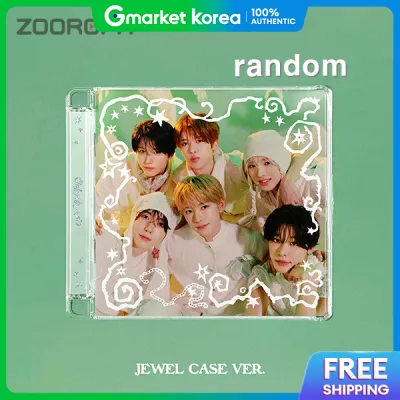
![NCT WISH [ Ode to Love ] Jewel Ver. Unsealed Album](https://img.lazcdn.com/g/p/56891396fdfcd7b92cd390a724868a78.jpg_400x400q80.jpg_.webp)
![NCT JNJM Jeno X Jaemin [ Both Sides ] Poster ver. Unsealed Album](https://img.lazcdn.com/g/p/a492b78bcd5cfb047e762e3676a3743f.jpg_400x400q80.jpg_.webp)
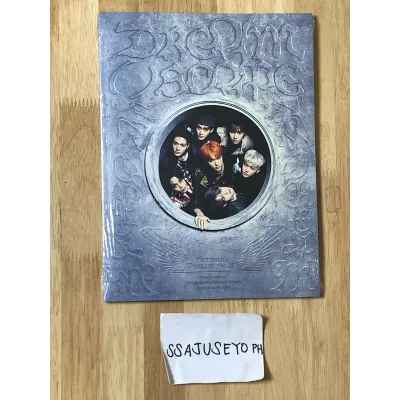
![NCT DREAM [ Dreamscape ] Unsealed Album](https://img.lazcdn.com/g/p/3df6b073d127083056e61a22c3641c84.jpg_400x400q80.jpg_.webp)
![NCAT NCT DOJAEJUNG: PERFUME [DIGIPACK VER.]](https://img.lazcdn.com/g/p/a0f2ac957530386c1da9d01865d61bf1.jpg_400x400q80.jpg_.webp)
Prices are valid at publication and may change. Please refer to the product page for the latest price.
Physical Markers of Genuine NCT Albums
Genuine NCT albums are produced under strict quality control standards managed by SM Entertainment and their designated manufacturers. Every physical component, from the external packaging to the depth of the photobook ink, reflects professional manufacturing. Understanding these baseline standards is the first step in protecting your collection.
Outer Packaging, Shrink Wrap, and Seals
Authentic NCT albums are sealed in tight, high-grade plastic wrap that fits the contours of the package perfectly. The seams are clean, straight, and heat-sealed with precision, leaving no loose flaps or messy, melted plastic corners. Counterfeits often use cheap, loose shrink wrap that is unevenly sealed or hand-wrapped with a heat gun, resulting in wrinkled surfaces and thick, jagged seams.
Official albums feature high-quality reflective holographic stickers, such as the Korea Music Copyright Association (KOMCA) sticker or the official SM Entertainment distribution seal, affixed directly to the outer packaging or the back cover. On authentic copies, these stickers are perfectly aligned, have sharp cut edges, and display a clear, multi-layered holographic shift when tilted under light.
The outer box, slipcase, or mailer of a genuine album provides robust structural integrity. Authentic packaging uses rigid, heavy-duty cardboard designed to protect the contents during international transit from South Korea to the Philippines. If the outer box feels flimsy, bends easily under light thumb pressure, or has proportions that look slightly warped compared to official product specifications, it is highly likely a counterfeit.
Photobook Paper Quality and Print Clarity
The photobook is often the most expensive component to manufacture, making it a prime target for cost-cutting by counterfeiters. When flipping through an authentic NCT photobook, pay close attention to the paper weight and texture. Authentic photobooks use premium, heavy-grade paper stock that feels substantial and durable, ensuring the pages do not feel overly thin, translucent, or flimsy.
The binding of the photobook is another indicator of authenticity. Authentic albums utilize clean, professional binding methods—whether perfect-bound with high-strength industrial spine glue or saddle-stitched with precise staples. The glue is applied evenly, with no visible excess oozing onto the pages or gaps where the pages easily pull away from the spine.
Official SM Entertainment releases feature razor-sharp image resolution, deep and balanced contrast, and highly accurate color grading. Skin tones look natural, and dark areas retain their detail without turning into muddy black patches. Text elements, including lyrics, credits, and member messages, are perfectly aligned with crisp, clean borders and no signs of ink bleeding or ghosting.
CD Disc and Case Details
The optical disc and its housing offer definitive physical evidence of authenticity. Begin by inspecting the jewel case or the internal plastic tray. Authentic plastic trays are made of clear, scratch-free, high-grade polycarbonate. The disc holder features a central hub with flexible but sturdy teeth that grip the CD securely, preventing it from rattling during transit while still allowing you to release it easily without bending the disc.
The artwork printed on the face of the disc must be perfectly centered, with crisp, legible text and no offset print alignment. Flip the disc over to inspect the reflective data side. Authentic CDs feature highly precise, machine-etched matrix codes, mastering SID codes (beginning with ‘L’), and mold SID codes in the inner mirror ring near the center spindle. These codes correspond exactly to the album’s official catalog number. Counterfeit discs often have blank inner rings, generic serial numbers, or poorly printed, blurry text on the disc face.
Additionally, before purchasing, verify the specific edition, language, and medium format of the album. Ensure the tracklist and language match the official version (Korean, Japanese, or English depending on the sub-unit), and verify that all package contents are complete according to official album details.
Red Flags: How to Identify a Fake NCT Album
Spotting a counterfeit NCT album often comes down to identifying where the bootleggers tried to save money. Because counterfeit operations rely on scanning original materials and using consumer-grade printing equipment, they inevitably introduce distinct visual and physical defects.

Blurry Text, Pixelation, and Color Bleeding
One of the most reliable visual red flags is low-quality typography. Counterfeiters typically scan an original photobook and reprint it, which causes fine details to blur. Look closely at the smallest text on the back cover, such as the copyright notices, tracklists, and legal disclaimers. On a fake album, this tiny text will appear blurry, pixelated, or smudged, making it difficult to read under close inspection.
Color reproduction on counterfeit albums is almost always flawed. You will often observe severe color bleeding, where ink spreads past the sharp boundaries of graphics or text. Color shifts are also common; because counterfeiters do not have access to the original digital print files, their color profiles are inaccurate, leading to images that look either overly saturated with harsh, unnatural orange and red tones, or completely washed out and faded.
Additionally, look out for moiré patterns. A moiré pattern is an unwanted visual interference grid—visible as faint wavy lines or a dot-matrix pattern—that occurs when an already printed image is scanned and printed a second time. If you notice a fine, screen-like dot pattern over the member photos in the photobook, the page was printed from a scan of a real album rather than the original digital file.
Flimsy Materials and Sizing Discrepancies
Counterfeiters use inferior paper and cardboard stocks to maximize their profit margins. Fake outer sleeves and boxes are often made of thin, easily bendable cardboard that creases at the slightest touch. In the tropical climate of the Philippines, where high humidity can soften cheap paper fibers, these low-grade counterfeit materials will warp, sag, or degrade much faster than the robust, moisture-resistant materials used in genuine SM Entertainment pressings.
Sizing discrepancies are another major giveaway. Because counterfeiters often scale down images to fit standard local paper sizes or use imprecise cutting machinery, the physical dimensions of a fake album may differ from the official specifications. Even a discrepancy of two to three millimeters in height, width, or thickness is a strong indicator of a counterfeit.
Photocards are the most highly valued inclusions and are frequently faked. Official NCT photocards are manufactured with precise die-cut machines, resulting in perfectly rounded corners with smooth, clean edges. Many official cards also feature tiny, barely visible tabs or ‘nubs’ on the corners where they were detached from the manufacturing sheet. Counterfeit photocards, by contrast, often have rough, unevenly cut edges, incorrect corner radii, and lack the specific laminate finishes—such as a premium matte, high-gloss, or holographic coating—found on the authentic versions.
Official Verification: Holograms and QR Codes
To combat the spread of counterfeits, South Korean music distributors and agencies utilize official verification stickers and digital tracking systems. On the back of an authentic NCT album, you will typically find a holographic security sticker issued by the Korea Music Copyright Association (KOMCA) or SM Entertainment’s distribution partners. These stickers feature complex, multi-layered holographic patterns, unique serial numbers, and microprinting that are extremely difficult for counterfeiters to replicate accurately. When tilted under a bright light source, the holographic colors should shift smoothly, revealing distinct background patterns and official logos.
Many modern NCT releases also include QR codes or smart codes (such as those for SMini versions or digital platform albums) that allow fans to register their purchase, access digital content, or verify chart contributions. When you scan an official QR code using a smartphone, it should direct you to the official agency app or verified registration portal (such as the SMTOWN APP or dedicated platform sites).
However, collectors must exercise extreme caution: digital verification is not foolproof. Sophisticated counterfeiters can easily photocopy or scan a valid QR code from a single genuine album and print that exact same code onto thousands of counterfeit copies. When scanned, the code may still redirect you to the official website or register as ‘valid’ because the system cannot distinguish between the original print and a high-resolution duplicate. Therefore, the presence of a working QR code or a holographic sticker does not guarantee authenticity on its own. You must always combine digital verification with a thorough physical inspection of the print quality, paper weight, and CD matrix codes.
Choosing Safe Purchasing Channels
The most effective way to ensure your NCT album is authentic is to buy from reputable, authorized retail channels. Whenever possible, purchase directly from official global stores like the SMTOWN &STORE, or established K-Pop retailers that guarantee direct chart integration with Hanteo and Circle Chart. In the Philippines, look for recognized local distributors and specialized physical or online K-Pop shops that are officially partnered with South Korean suppliers.
When shopping on general online marketplaces in the Philippines, exercise a high degree of caution. Always check the seller’s overall rating and read recent customer reviews. Look specifically for reviews that include clear photo and video evidence of the received albums. Trustworthy shops will often display badges or certificates indicating they are authorized sellers or offer explicit ‘authenticity guarantees.’
Be highly suspicious of pricing that seems too good to be true. A brand-new, factory-sealed NCT album typically retails between ₱900 and ₱1,500 depending on the version, size, and inclusions. If you encounter a seller offering a ‘sealed’ album for ₱200 to ₱400, it is almost certainly a counterfeit or a bootleg copy.
If you are buying secondhand albums or purchasing from independent sellers on social media platforms, always ask for high-resolution, unedited photos of the actual item before sending any payment. Request close-up pictures of the back cover’s security sticker, the photobook spine, and the CD’s inner mirror ring showing the matrix code. If a seller refuses to provide these photos or uses generic stock images, look elsewhere.
Steps to Take If You Buy a Counterfeit Album
If you open your package and discover that you have received a counterfeit NCT album, act immediately. The first step is to thoroughly document the item. Take high-resolution, well-lit photos and detailed videos highlighting the specific discrepancies you have identified, such as blurry copyright text, a fake or missing security sticker, flimsy paper quality, or a blank CD inner ring. In the Philippines, it is standard practice to record a continuous ‘unboxing video’ from the moment you cut the courier’s pouch seal; this video serves as undeniable proof of the item’s condition upon arrival.
Next, initiate a return or refund request directly through the e-commerce platform’s built-in buyer protection program. Upload your photo and video evidence to support your claim of receiving a counterfeit product. Do not click ‘Order Received’ or confirm the transaction, as this releases the funds to the seller and makes getting a refund significantly harder.
After securing your refund, report the specific product listing and the seller’s account to the platform’s customer support team. This helps flag the seller for fraudulent activity and prevents other collectors from falling victim to the same scam.
Be aware that if you completed the purchase via direct bank transfer, GCash, or other unregulated personal payment methods outside of an established e-commerce platform’s escrow system, recovering your money in PHP can be extremely difficult. To safeguard your funds, always prioritize secure payment methods that offer robust buyer protection and dispute resolution services.
Frequently Asked Questions (FAQ)
The following questions address common concerns that K-Pop collectors encounter when authenticating NCT albums and navigating the secondhand market.
Does a valid QR code scan guarantee the album is authentic?
No, a valid QR code scan does not guarantee that your NCT album is authentic. Counterfeiters can easily copy a single legitimate QR code from an authentic album and print it onto thousands of fake copies. When scanned, the code will still direct you to the official app or website, masking the fact that the physical album itself is a counterfeit. Always verify the physical print quality and paper weight alongside any digital codes.
How can I tell if a secondhand NCT album is real without the original shrink wrap?
When purchasing an unsealed or secondhand album, focus your inspection on the internal physical markers. Check the weight and texture of the photobook pages, the neatness of the spine binding, and the presence of the etched matrix codes on the inner ring of the CD. Compare these details closely with verified reference photos or unboxing videos from trusted collector communities. Additionally, inspect the corners and laminate finish of any included photocards, as these are highly prone to replication and are easier to evaluate when already opened.
Community discussion
Share your experience or ask a question. Comments are reviewed before publication.