
Spotting authentic limited edition K-Pop and P-Pop cassette tapes requires a systematic inspection of the physical packaging, the cassette shell construction, and the seller’s credentials. Because limited editions command premium prices among collectors, counterfeiters often replicate outer designs but fail to match the precise manufacturing standards, security seals, and print quality of official entertainment label releases. By learning what to look for, you can protect your investment and ensure your collection consists only of genuine physical media.
Recognizing Common Red Flags in Counterfeit Packaging
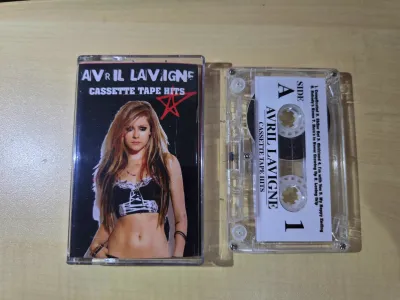
The outer packaging is your first line of defense when verifying a cassette tape. Official entertainment companies use high-resolution commercial printing presses that produce sharp text, accurate colors, and consistent fonts on J-cards, O-cards, and lyric booklets. Counterfeits, by contrast, often rely on consumer-grade printers, resulting in blurry text, pixelated images, and noticeable color bleeding along the edges.
In the humid tropical climate of the Philippines, cheap counterfeit paper inserts are also highly susceptible to warping, mold, or ink bleeding, whereas official high-quality cardstock is much more resilient. Pay close attention to the paper weight and finish. Official limited editions frequently feature custom-textured paper, matte coatings, or heavy-duty cardboard sleeves, while fakes typically use thin, glossy, or flimsy paper that feels cheap to the touch.
Products mentioned in this guide
![Queen Forever Cassette Tape Brand New [Sealed] Original](https://img.lazcdn.com/g/p/91fc6f8101ae6035cd7a7deb928e6b42.jpg_400x400q80.jpg_.webp)
![G.unsN Roses GRIEATEST HITS Cassette Tape Brand New [Sealed] Original](https://img.lazcdn.com/g/p/939b88e3f55d1b8bbfb4bd42c71a827b.jpg_400x400q80.jpg_.webp)
![Guardians Of The Galaxy Vol.1-2 Cassette Tape Brand New [Sealed] Original](https://img.lazcdn.com/g/p/41ddddba87e84c88ec3d98b98e6b47ea.jpg_400x400q80.jpg_.webp)
Prices are valid at publication and may change. Please refer to the product page for the latest price.
Examine the shrink wrap and security seals carefully. Official factory sealing is usually tight, neat, and finished with clean heat seals or professional Y-fold hospital folds at the ends. Loose, messy, or hand-sealed plastic wrap is a major red flag. Additionally, look for official holographic licensing stickers, such as the KOMCA sticker for Korean releases, and check if they reflect light with a multi-layered pattern rather than a flat, printed imitation.
Inspecting the Cassette Shell, Tape, and Audio Components
Once you have examined the outer packaging, turn your attention to the physical cassette shell. Genuine releases are manufactured using high-quality, durable plastic molds with precise seams and clean edges. Counterfeit shells often exhibit rough plastic flashing, misaligned halves, or visible glue residue along the joints, indicating cheap, rushed assembly.

Look closely at how the cassette is held together. Many official tapes use small, precise metal screws in the corners, while others rely on clean, seamless ultrasonic welds. If a release is known to use screws but your copy is welded—or vice versa—it is likely a fake. Inside the clear window, check for the presence of a proper slip sheet (the clear plastic film that helps the tape glide smoothly) and a well-aligned felt pressure pad, both of which are frequently omitted or poorly installed in bootlegs.
If the seller’s return policy permits playing the tape, conduct a brief audio test. Authentic limited editions are duplicated on high-grade magnetic tape, offering clear sound reproduction consistent with analog standards. Counterfeits often use low-grade, recycled tape that produces excessive background hiss, muffled high frequencies, or inconsistent playback speeds due to friction within the poorly constructed shell.
Evaluating Seller Credentials and Safe Purchasing Channels
Vetting where and from whom you buy is just as important as inspecting the physical item. Whenever possible, prioritize purchasing your cassettes from official brand stores, authorized music distributors, or established physical record shops. These sources receive their inventory directly from the music labels, virtually eliminating the risk of acquiring a counterfeit.
When navigating third-party e-commerce platforms or online marketplaces, exercise extra caution. Scrutinize the seller’s ratings, read through customer feedback, and check the origin of the product photos. Avoid listings that rely solely on stock images or photos copied from other collectors’ social media accounts; instead, ask the seller to provide a photo of the cassette next to a handwritten note containing their username and the current date.
Be highly skeptical of prices that are significantly below the established market value for rare, out-of-print, or limited edition releases. If a seller claims to have multiple “brand new” copies of an extremely rare tape at a fraction of its collector value, it is almost certainly a bootleg. Always ask for verifiable proof of purchase, such as original store receipts or digital order confirmations from official entertainment portals, before finalizing your transaction.
Steps to Take If You Receive a Suspected Fake Cassette
If you suspect you have received a counterfeit cassette tape, act quickly to protect your funds. Always record a continuous, unedited video of the unboxing process from the moment you cut the shipping seal. Ensure the video clearly shows the shipping label, the outer packaging, and close-up details of the cassette’s physical flaws, as this serves as indisputable evidence for platform disputes.
Initiate a formal return or refund request through the online marketplace’s buyer protection program immediately. Do not contact the seller privately to resolve the issue outside the platform, as this can void your protection. Present your unboxing video and clear, side-by-side photo comparisons highlighting the discrepancies between your item and an official release.
Finally, report the fraudulent listing and the seller’s account to the platform administrators. By flagging counterfeit sellers, you help clean up the local marketplace and protect fellow collectors in the Philippines from falling victim to deceptive listings.
Frequently Asked Questions (FAQ)
Can a fake cassette tape damage my audio player?
Yes, poorly manufactured counterfeit cassettes can pose mechanical risks to your playback equipment. Rough plastic edges on the shell or misaligned internal hubs can cause the tape to jam, wrap around the capstan, or snap inside the deck. Furthermore, cheap magnetic tape often sheds excessive oxide particles, which can quickly dirty or scratch the player’s delicate magnetic heads. For initial testing of a suspect tape, use a secondary, less valuable portable cassette player rather than your primary high-end audio system.
Do all official limited edition cassettes have holographic stickers?
No, security features vary widely depending on the entertainment agency, the country of manufacture, and the specific release batch. While many major K-Pop releases feature holographic licensing stickers, some indie runs or local P-Pop releases may rely on alternative authentication methods, such as unique packaging textures, serial numbers, or specific insert configurations. To verify a specific release, cross-reference your copy with official unboxing videos, label announcements, or detailed database entries from trusted collector communities.
Community discussion
Share your experience or ask a question. Comments are reviewed before publication.