
To verify if an EXO album is genuine, you must carefully inspect the physical packaging, print quality, security features like hologram stickers, and the CD’s matrix codes. In the local market, where counterfeit merchandise often circulates through online marketplaces and unauthorized resellers, knowing what to look for protects your collection and ensures your purchase supports the artists. By systematically checking these physical details and buying from credible sources, you can confidently build your K-pop collection.
Before finalizing any purchase, always verify the specific album edition, language, regional restrictions, and content completeness. Never infer the contents of an edition solely from the cover art or title, as different pressings may contain varying inclusions or regional tracklists.
Common Signs of Counterfeit K-Pop Albums
Official SM Entertainment releases use high-resolution printing processes that yield sharp images, vibrant colors, and smooth gradients. Counterfeit albums often rely on scanned or low-resolution source files, resulting in visible pixelation, blurry text, and unnatural color shifts. If the colors on the outer sleeve look washed out or overly saturated compared to official promotional images, proceed with caution.
Products mentioned in this guide

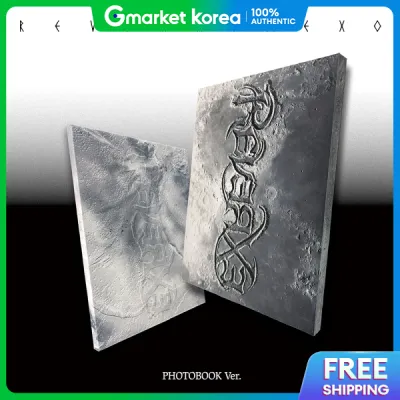

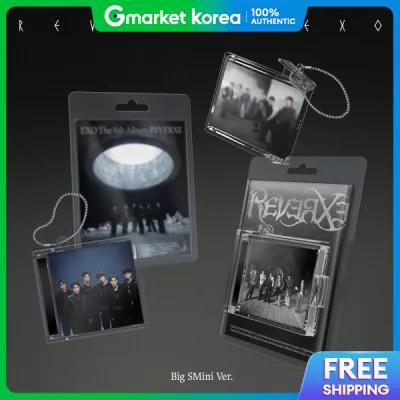

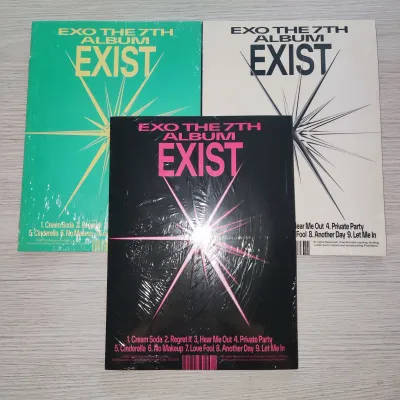
Prices are valid at publication and may change. Please refer to the product page for the latest price.
Examine the paper weight and texture of the photobook and outer packaging. Genuine EXO albums are printed on heavy, premium-grade paper stock that feels substantial. Counterfeits frequently use thinner, cheaper paper that creases easily under light handling. In the humid tropical climate of the Philippines, low-quality paper is particularly prone to warping, bubbling, or absorbing moisture rapidly, which can expose poor manufacturing within a short period.
Inspect the structural integrity and binding of the album casing. Official digipaks and photobooks feature clean, precise folds and professional bookbinding glue that keeps pages securely attached. Fake albums often exhibit messy glue lines, loose pages, or misaligned panels that do not close flush.
Carefully read the text on the back cover, tracklist, and copyright notices. Counterfeiters often make typographical errors, use incorrect font weights, or misalign text blocks. Look closely at the fine print containing the licensing information, distributor logos, and copyright symbols; any spelling mistakes or fuzzy lettering is a definitive sign of a replica.
Verifying Official Security Features
The most prominent security feature on a physical K-pop album is the official hologram sticker, typically located on the back cover. For EXO albums, the design of this sticker has evolved over the years depending on the distributor (such as Komca, Genie Music, or Dreamus). Older releases feature the classic gold or silver Komca (Korea Music Copyright Association) sticker, while newer pressings utilize specialized distributor-specific holograms. When you tilt the album under a light source, the hologram should display a clear, multi-layered pattern and shift colors smoothly; flat, non-reflective, or poorly printed stickers that do not react to light are common on counterfeits.

Turn the physical CD over and inspect the inner ring on the reflective side. Genuine pressings feature laser-etched IFPI (International Federation of the Phonographic Industry) matrix codes, which include specific manufacturing numbers and mastering codes. These codes are extremely difficult for counterfeiters to replicate accurately. You can verify the presence of these codes and cross-reference them with known genuine pressings documented by the collecting community to confirm the disc’s origin.
Some modern album editions incorporate digital verification tools, such as unique QR codes or NFC chips embedded in the packaging. If your specific EXO album version includes these features, use the official designated authentication app to scan the code. A genuine code will direct you to a secure, official verification page, whereas a counterfeit will either fail to scan or redirect to an unverified, generic web address.
Evaluating Seller Credibility and Sourcing Channels
Where you buy your music matters just as much as what you look for on the packaging. Official brand stores and authorized local retailers are the safest channels, as they source their inventory directly from official Korean distributors. When shopping on general e-commerce platforms or online marketplaces, prioritize sellers who are recognized partners of major Korean music charts like Hanteo or Gaon (Circle Chart), which helps guarantee both authenticity and chart reflection.
Be highly skeptical of listings with prices that seem too good to be true. If an out-of-print or highly sought-after EXO album is listed at a fraction of its standard retail price in ₱, it is highly likely to be a counterfeit or a damaged copy. Other major red flags include vague product descriptions that avoid using terms like “official” or “genuine,” as well as listings that exclusively use official stock photos instead of actual photos of the physical item in hand.
Before making a purchase from a third-party seller, thoroughly analyze buyer reviews and ratings. Look for detailed feedback that mentions the condition of the packaging, the presence of all official inclusions (such as photocards and posters), and explicit confirmation of authenticity. If possible, search for local unboxing videos or community posts from buyers who purchased from the same seller to verify their track record.
What to Do If You Receive a Suspected Fake Album
If you suspect that the album you received is a counterfeit, immediate and systematic documentation is crucial. Always record a continuous, unedited unboxing video from the moment you open the shipping parcel, ensuring the shipping label and all sides of the package are clearly visible. Take high-resolution, well-lit photos of the specific areas of concern, such as blurry printing, missing security stickers, or incorrect CD matrix codes, and compare them side-by-side with official reference materials.
Once you have gathered your evidence, initiate a formal return or refund request through the e-commerce platform’s dispute resolution system. Clearly state that the item received is counterfeit, and upload your unboxing video and comparative photos as supporting evidence. Avoid contacting the seller privately outside the platform’s official channels, as this can complicate the dispute process.
Familiarize yourself with the specific return policies of the online marketplace you used. While many platforms have strict buyer protection policies against counterfeit goods, some may have specific clauses regarding opened media items. Presenting clear, undeniable physical proof of the counterfeit nature of the product is usually the key to overriding standard return restrictions and securing your refund.
Frequently Asked Questions (FAQ)
Do all genuine EXO albums come with a hologram sticker?
While almost all official Korean pressings of EXO albums feature a hologram sticker, the design, color, and placement vary significantly depending on the release year and the distributor. Older albums may feature different licensing stickers compared to recent pressings. Additionally, some promotional or special regional editions might have different marking standards. To verify your specific version, consult official unboxing videos or label announcements to see exactly what sticker should be present on that particular release.
Can I verify an EXO album's authenticity using the included photocards?
Photocards are highly sought-after, making them frequent targets for replication, so they should not be used as your sole method of authentication. However, you can inspect them for specific manufacturing details. Genuine photocards typically feature clean, rounded edges with tiny tab marks (from where they were detached from the printing sheet), consistent matte or glossy finishes, and rich color saturation. Counterfeits often have rough or unevenly cut edges, incorrect paper thickness, and blurry or overly dark image quality.
Are repackaged or special edition albums more likely to be counterfeited?
Yes, repackaged, limited, or out-of-print special edition EXO albums carry a higher risk of being counterfeited due to their high secondary market value and scarcity. Because collectors are often willing to pay premium prices in ₱ for these rare versions, counterfeiters target them more frequently. When purchasing these high-value items from unofficial third-party sellers, exercise extreme diligence, request detailed physical photos of the actual item, and verify all security features before finalizing the transaction.

Community discussion
Share your experience or ask a question. Comments are reviewed before publication.