
To verify if a BTS album is official, you must perform a systematic physical inspection of its outer packaging, print quality, and security features. Counterfeit albums have become increasingly sophisticated, making it essential to examine the texture of the photocard, the tightness of the shrink wrap, the clarity of the printing, and the presence of official distributor hologram stickers. By checking these details, you can protect your investment and ensure your purchase supports the artists directly.
Why Authenticating Your BTS Album Matters
For K-pop collectors, purchasing an album is more than just acquiring physical media; it is a direct way to support the artists you admire. Official album sales are reported to major music charts, such as Hanteo and Circle Chart, which directly influence award show nominations, weekly music show wins, and global rankings. When you accidentally purchase a counterfeit album, your money goes to unauthorized third parties, and the sale does not count toward these crucial industry charts.
Beyond supporting the artist, the physical differences between genuine and replica albums are substantial. Official releases are manufactured under strict quality control standards, utilizing high-grade paper stock, durable binding, and precise color calibration. Counterfeits often suffer from rapid deterioration, fading colors, and fragile bindings that fall apart after minimal handling. Furthermore, replicas frequently omit essential inclusions like official photocards, posters, or audition cards, leaving collectors with an incomplete and low-value product.
Products mentioned in this guide

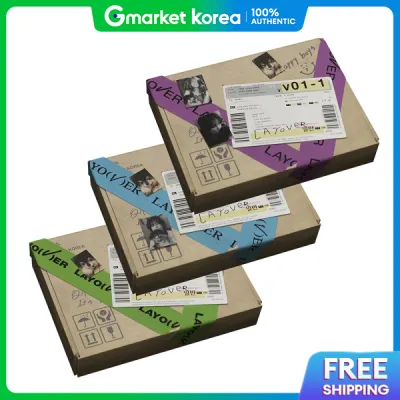
![BTS - EP 5 Album [ Love Yourself HER ]](https://img.lazcdn.com/g/p/faa843cd6982305b0fd5c38bd37e2847.jpg_400x400q80.jpg_.webp)
![[+WEVERSE / SOUNDWAVE GIFT ] BTS - 5th Full Album [ ARIRANG ] Living Legend Ver.](https://img.lazcdn.com/g/ff/kf/S4197e6bd0b0242be9987a1f444fd473dV.jpg_400x400q80.jpg_.webp)
![[+WEVERSE / SOUNDWAVE GIFT ] BTS - 5th Full Album [ ARIRANG ] Weverse Albums ver.](https://img.lazcdn.com/g/ff/kf/Sbeffc31247f64936b821b793ff718736f.jpg_400x400q80.jpg_.webp)

![BTS - 5th Full Album [ ARIRANG ] Standard ver.](https://img.lazcdn.com/g/ff/kf/S74f85e99c1844b16b6f1867c64b6f9ab3.jpg_400x400q80.jpg_.webp)
Prices are valid at publication and may change. Please refer to the product page for the latest price.
The prevalence of counterfeits in unauthorized online marketplaces has made it easier for replica distributors to target unsuspecting buyers. In regions with high demand, such as the Philippines, local collectors often face the risk of purchasing replicas advertised as official imports. Understanding how to distinguish genuine items from fakes protects your hard-earned money and ensures your collection consists only of authentic, high-quality memorabilia.
Key Physical Markers of an Official BTS Album
Authenticating a physical album requires a methodical approach, starting from the external wrapping and moving inward to the smallest inclusions. Counterfeiters often focus on replicating the overall look of the album cover but fail to match the precise manufacturing techniques used by official Korean printing houses. By systematically inspecting each layer of the product, you can identify subtle discrepancies that reveal a replica.

Outer Packaging and Shrink Wrap
The first line of defense is the outer packaging and the plastic seal. Official BTS albums are sealed using high-grade, industrial-strength shrink wrap that fits tightly around the album corners without warping the outer box. The seams of the plastic wrap are clean, straight, and barely visible, usually running along the sides or back in a neat line. If the plastic wrap is loose, crinkly, or sealed with messy, thick heat-melted seams, it is highly likely the album has been repackaged or is a complete counterfeit.
The structural integrity of the outer box or sleeve is another critical indicator. Official albums use thick, rigid cardboard designed to protect the contents during international shipping. The edges are cleanly cut, and the corners are sharp and uniform. Replicas often use thinner, cheaper cardstock that bends easily under light pressure, resulting in soft, rounded corners and a flimsy overall feel. Pay close attention to how the outer sleeve fits; official sleeves slide off smoothly but remain snug enough to hold the inner contents securely.
Booklet, Photocard, and Print Quality
Once you open the album, the photobook and printed inclusions offer the most reliable clues. Official photobooks are printed on heavy, high-opacity paper with a matte or satin finish that prevents pages from sticking together. The binding is robust, using high-quality glue or stitching that allows the book to be opened wide without cracking the spine or releasing loose pages. Counterfeits often use thin, glossy paper that feels cheap to the touch, and the binding may crack or shed pages upon first opening.
Photocards are the most highly valued inclusions and are frequently targeted by counterfeiters. Official photocards feature rounded corners cut with absolute precision, leaving no rough edges or paper fibers. The cardstock is thick and rigid, often with a specific matte or glossy coating that feels smooth and uniform. When held to the light, the color grading on an official photocard is vibrant and natural, with sharp details even in dark areas. Replicas often have slightly different dimensions, unevenly rounded corners, a flimsy texture, and a noticeable loss of detail or a strange color cast.
Common Red Flags in Counterfeit BTS Albums
Identifying a fake album becomes much easier when you know the specific manufacturing flaws common to unauthorized replicas. Because counterfeiters operate on low budgets and use substandard printing equipment, their products inevitably exhibit visual and structural defects.
One of the most obvious red flags is poor print resolution. Official albums use high-definition source files for all imagery, resulting in crisp lines, legible text, and smooth color gradients. Counterfeits are often printed using scanned copies of official artwork, which introduces pixelation, blurry text, and a loss of fine detail. If the text on the spine or back cover appears fuzzy, or if the photos look slightly out of focus, the item is likely a replica.
Color accuracy is another major giveaway. Counterfeit albums often display incorrect color grading, appearing either overly saturated, washed out, or tinted with an unusual hue, such as a greenish or reddish cast. This is particularly noticeable on skin tones in the photobook and photocards. Additionally, check the alignment of the text and logos on the cover and spine; misaligned elements or off-center printing indicate a lack of professional quality control.
Flimsy packaging and missing security features are clear indicators of a fake. If the album feels unusually light or if the internal components rattle excessively, the materials used are substandard. Furthermore, check the barcode and catalog numbers printed on the back cover. Counterfeiters sometimes print incorrect or generic barcodes that do not match the specific album version, or they may omit the official distributor logos entirely.
Pricing is also a strong indicator of authenticity. Official K-pop albums are imported goods that incur shipping fees, customs duties, and local handling costs. If you find a sealed BTS album priced in ₱ at a fraction of the standard retail price on an online marketplace, you should be highly suspicious. While discounts do occur, prices that seem too good to be true almost always point to a counterfeit product or a listing that excludes essential inclusions like photocards.
How to Verify Official Holograms and Barcodes
To combat counterfeiting, official K-pop distributors utilize specialized security markers on the back of every album. Verifying these markers is one of the most reliable ways to confirm that your purchase is genuine.
The most prominent security feature is the official hologram sticker, typically issued by the Korea Music Content Association (KMCA) or the album’s specific distributor, such as YG PLUS or Kakao Entertainment. Genuine hologram stickers are made of high-quality, light-shifting material. When you tilt the album under a light source, the sticker should display a clear, multi-layered pattern, often featuring the distributor’s logo or a specific geometric design that changes color smoothly. Counterfeit stickers are often flat, dull, or printed directly onto the paper without any actual holographic properties.
In addition to the visual shift, many official stickers contain micro-text or hidden patterns that are difficult to replicate. While you may need a magnifying glass or a smartphone camera zoom to see these details, they provide definitive proof of authenticity. The placement of the sticker is also consistent; it is usually affixed neatly on the back cover, near the barcode or distributor logos. A crooked, peeling, or poorly printed sticker is a major warning sign.
Checking the barcode and catalog number is another essential step. Every official BTS album has a unique barcode and a specific catalog number printed on the packaging. You can cross-reference these numbers with official database registries or reputable K-pop fan databases to ensure they match the exact album version and release year. Be aware that while scanning a QR code on the packaging can be helpful, counterfeiters can easily print QR codes that link to official websites, so a working link alone does not guarantee authenticity.
Choosing Reliable Channels for Official BTS Merchandise
The most effective way to avoid counterfeit BTS albums is to purchase them from authorized and reputable retail channels. By selecting your sellers carefully, you minimize the risk of receiving a replica and ensure your purchase supports the artist.
Whenever possible, prioritize official brand stores, such as the Weverse Shop, or authorized music retailers that are officially partnered with the Hanteo and Circle charts. Many established physical record shops and specialized K-pop boutiques in major shopping malls offer genuine imported albums. These retailers source their inventory directly from official distributors, guaranteeing authenticity and ensuring that your purchase contributes to global music charts.
If you are shopping on third-party e-commerce platforms or online marketplaces, you must exercise extra caution. Look for sellers with high ratings, positive feedback specifically mentioning album authenticity, and a clear return policy. Avoid listings that use stock photos instead of actual product images, and do not hesitate to ask the seller for close-up photos of the hologram sticker and barcode before making a purchase. Genuine sellers are usually willing to provide these details to prove their product’s authenticity.
If you suspect you have received a counterfeit album, act quickly to protect your purchase. Document the product thoroughly by taking high-resolution photos and videos of the packaging, print flaws, and the hologram sticker. Contact the e-commerce platform’s customer support immediately to initiate a return or refund claim, citing the physical evidence of a counterfeit item. Most major platforms have buyer protection policies that cover counterfeit goods, provided you submit clear proof within the allowed return window.
Frequently Asked Questions (FAQ)
Can I authenticate a BTS album using only the photocard?
While photocards have distinct physical characteristics, they are not sufficient on their own to verify the authenticity of an entire album. Photocards are highly sought-after collector’s items that are frequently replicated and sold individually by third parties. A counterfeit photocard can easily be placed inside a genuine album shell, or vice versa. To ensure your album is completely official, you must perform a comprehensive check of the entire package, including the outer shrink wrap, the photobook paper quality, the barcode, and the distributor’s hologram sticker.
Do all official BTS albums have a hologram sticker?
Most official BTS albums feature a hologram sticker on the back cover, but the specific design, color, and distributor logo on the sticker can vary depending on the release year, the manufacturing batch, and the regional distributor. Older pressings may feature different security stickers compared to newer reprints. To verify a specific album version, it is best to cross-reference your copy with official unboxing videos or detailed manufacturer specifications from trusted fan communities to see exactly which security markers should be present on that particular release.
Community discussion
Share your experience or ask a question. Comments are reviewed before publication.