
Spotting a genuine 5 Seconds of Summer (5SOS) CD on online marketplaces in the Philippines requires careful inspection of the physical packaging, disc matrix codes, and print quality. Because counterfeit physical media has become increasingly sophisticated, relying solely on a listing’s title or cover image is no longer sufficient. To ensure you are purchasing a genuine release rather than a low-quality bootleg, you must verify structural details like the presence of official IFPI codes, the texture of the booklet paper, and the specific catalog numbers before finalizing your transaction.
Why Counterfeit 5SOS CDs Are Common on E-Commerce Platforms
The market for physical music media in the Philippines remains highly active, driven largely by dedicated fan communities and collectors who value the tactile experience of owning albums. For fans of 5 Seconds of Summer, acquiring physical copies of their discography—ranging from their self-titled debut to Sounds Good Feels Good, Youngblood, CALM, and 5SOS5—is a key part of supporting the band. However, because several older pressings, deluxe editions, and limited-run singles are now out of print, their scarcity has driven up demand and market prices. This high demand makes the band a prime target for counterfeiters.
On general online marketplaces and peer-to-peer e-commerce platforms, third-party sellers can easily list items without undergoing strict, physical authenticity checks of their inventory. While many honest independent sellers and local collectors use these platforms to rehome genuine CDs from their personal collections, the open nature of these marketplaces allows bootlegs to slip through. Unscrupulous sellers often exploit the enthusiasm of fans by listing cheap, unauthorized reproductions at prices that mimic genuine used or imported copies, making it essential for buyers to understand what details to look for.
Products mentioned in this guide
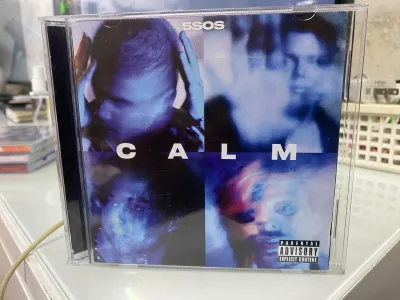
Prices are valid at publication and may change. Please refer to the product page for the latest price.
Key Features of an Authentic 5 Seconds of Summer CD
Identifying an authentic 5 Seconds of Summer CD involves examining both the external presentation and the physical manufacturing markers on the disc itself. Genuine releases follow strict quality control standards set by major international record labels.

Packaging and Booklet Quality
Official 5 Seconds of Summer CDs are distributed by major record labels like Capitol Records, Interscope Records, or BMG, often under the band’s own imprint, Hi or Hey Records. These official releases use high-quality packaging materials designed to withstand handling and environmental factors like the high humidity typical of the Philippine climate.
When inspecting a jewel case or a cardboard digipak, check the overall structural integrity. Genuine jewel cases are made of sturdy, clear, scratch-resistant plastic that fits together tightly. Cardboard digipaks feature thick, dense cardstock with clean, precise folds and a professional matte or glossy finish.
The booklet inside is a critical indicator of authenticity. Official booklets are printed on high-grade, heavy-weight paper stock that does not easily warp in humid conditions. The print resolution is exceptionally sharp; even the smallest legal copyright text and tracklist credits on the back cover or inside pages must be perfectly legible without any ink bleeding. Look closely at the official logos of the record labels and the copyright notices, which should list the correct year of release and authorized distribution entities. The spine insert must also be perfectly aligned, with the album title and catalog number centered in crisp, solid typography.
Disc Printing and Matrix Codes
The most definitive way to verify a genuine CD is by inspecting the disc itself, particularly the inner clear ring on the readable side. Official factory-pressed CDs are manufactured using glass masters, leaving precise, permanent identifiers etched into the plastic.
Turn the disc over and look at the mirror-band area near the center spindle hole. You should find the matrix/run-out code, which is a unique combination of letters and numbers representing the specific pressing plant and catalog number. Alongside this code, authentic discs feature tiny IFPI (International Federation of the Phonographic Industry) codes. These consist of a mastering SID code (starting with ‘L’) etched into the mirror band and a mould SID code (starting with ‘IFPI’) stamped directly into the plastic of the inner hub. These codes are incredibly difficult for counterfeiters to replicate because they require expensive, industrial-grade pressing machinery.
The artwork printed on the face of the disc should also be flawless. Official discs use industrial screen-printing or offset-printing techniques, resulting in smooth, vibrant colors and sharp text. There should be no visible dot patterns, pixelation, or alignment shifts. The ink is fused directly to the disc surface; genuine CDs never use paper sticker labels or adhesive decals, which can unbalance CD players and degrade over time.
Red Flags: How to Identify a Fake 5SOS CD
Recognizing the common flaws of counterfeit physical media can save you from losing your hard-earned Philippine Pesos (₱) on a bootleg. Counterfeiters generally operate on low profit margins, meaning they cut corners on materials, printing processes, and assembly.
One of the most obvious visual red flags is low-resolution, blurry, or pixelated cover art. If the album cover looks like a low-quality image downloaded from the internet and printed on a standard home inkjet printer, it is almost certainly a fake. Inspect the paper booklets; counterfeit booklets often feel unusually thin, flimsy, or rough, and they may show signs of color bleeding or incorrect color saturation—such as blacks looking faded or washed out. Check the tracklist and credits on the back cover for typos, misspelled words, or misaligned text blocks, which are common errors in unauthorized print runs.
Another critical check is the barcode (EAN or UPC) and the catalog number on the spine and back cover. Use a search engine or specialized database to verify that these numbers match the exact edition of the album you are buying. If a barcode is missing, poorly printed, or corresponds to a completely different artist or album, the item is a counterfeit.
Physically, the disc itself can reveal its fraudulent nature immediately. Authentic CDs are factory-pressed with a silver, highly reflective aluminum layer. Counterfeits, on the other hand, are frequently burned onto recordable CD-Rs. You can easily spot a CD-R by looking at the data side under a light source; it will typically have a distinct greenish, bluish, or dark purple tint instead of the pure silver mirror finish of a pressed disc. You may also see a visible ‘burn ring’ indicating where the data ends on the recordable surface.
Finally, be wary of online listings that rely solely on generic stock photos. If a seller refuses to provide actual, close-up photographs of the physical CD, the booklet, the barcode, and the inner matrix ring when requested, you should treat the listing as highly suspicious.
Verification Methods Before and After Purchase
Protecting yourself from counterfeit media requires a proactive approach before you click the purchase button, as well as a thorough inspection once the package arrives at your doorstep.
Before making a purchase, always message the seller directly through the platform’s chat feature. Ask for clear, high-resolution, well-lit photos of the actual item in their possession. Specifically, request close-up shots of the back cover’s barcode, the spine showing the catalog number, and the reflective side of the disc focusing on the inner matrix ring and IFPI codes. A legitimate seller who is proud of their authentic stock will usually be happy to provide these images, whereas sellers of bootlegs will often make excuses or ignore your request.
Once you obtain these details, cross-reference them with reliable online music databases, such as Discogs. These databases maintain comprehensive, crowd-sourced registries of physical music releases, detailing every official pressing, regional variation, and promotional edition. When verifying an album, always check the specific edition details, language, medium, regional restrictions, and content completeness. Never infer the contents of an edition solely from the listing title or cover art, as different regional pressings may feature varied tracklists or packaging styles.
Keep in mind the limitations of basic barcode scanning mobile applications. While scanning a barcode to see if it pulls up the correct album is a helpful initial step, it is not a foolproof verification method. Counterfeiters can easily copy a valid barcode from a genuine album cover and print it onto their fake packaging. Therefore, a successful barcode scan only proves that the printed barcode number is valid, not that the physical disc and booklet in your hands are authentic. You must combine barcode verification with a physical inspection of the matrix codes and printing quality.
Safe Buying Channels and What to Do If You Receive a Fake
To minimize the risk of purchasing counterfeit 5 Seconds of Summer CDs, prioritize secure buying channels. When possible, purchase directly from the band’s official webstore, established international music retailers, or reputable local independent record stores in the Philippines that import authorized merchandise.
If you choose to navigate peer-to-peer online marketplaces, take time to evaluate the seller’s profile. Look for established shops with high positive ratings and read through historical customer reviews. Pay close attention to negative feedback; look for any complaints regarding bootlegs, fake merchandise, or poor print quality. Be skeptical of listings offering rare or out-of-print 5SOS CDs at prices that seem too good to be true, such as a rare deluxe edition priced at only ₱150 to ₱300, as genuine collectible editions typically command much higher market values.
If you do receive a CD and discover it is a counterfeit, act quickly. Most major e-commerce platforms in the Philippines offer buyer protection programs, but they operate within strict timeframes—often requiring you to file a return or refund claim before you click the button confirming receipt of the order.
To build a strong dispute case, document the unboxing process. Record a continuous, unedited video of yourself opening the shipping parcel, highlighting the shipping label and tracking number clearly. Once open, film close-up, high-definition evidence of the physical flaws that prove the item is a fake, such as the colored dye layer of a CD-R, blurry printing on the booklet, or the lack of any etched matrix codes in the inner ring. Submit this video and clear photographs along with your refund request, citing ‘counterfeit or fake item received’ as the reason. This objective physical evidence is crucial for the platform’s customer service team to resolve the dispute in your favor.
Frequently Asked Questions (FAQ)
Are all 5 Seconds of Summer CDs from online marketplaces fake?
No, not all 5 Seconds of Summer CDs sold on local online marketplaces are counterfeit. Many reputable independent music sellers, hobbyist collectors, and fans rehoming their personal collections use these platforms. However, because these marketplaces host thousands of third-party sellers without pre-screening physical inventory, the risk of encountering fakes is high. Verifying seller ratings, requesting real photos, and checking matrix codes are essential steps to separate genuine copies from bootlegs.
Can I play a counterfeit 5SOS CD on my standard CD player?
While many counterfeit CDs—which are typically burned CD-Rs—will play on standard CD players, they do not offer the same experience as genuine pressed discs. Counterfeits often suffer from lower audio quality, higher error rates, and susceptibility to skipping. Additionally, CD-Rs degrade much faster than factory-pressed silver discs, especially when exposed to the heat and humidity of the Philippines. From a collector’s perspective, counterfeit copies hold absolutely no resale or sentimental value.
Community discussion
Share your experience or ask a question. Comments are reviewed before publication.