
Finding authentic arirang merch on e-commerce platforms like Lazada Philippines requires a sharp eye and a systematic approach to verification. With the explosive popularity of K-pop, the market for collectibles has grown rapidly, bringing with it a surge of unauthorized reproductions. For fans in the Philippines looking to support their favorite artists, distinguishing between official releases and cheap counterfeits is essential to protect both their collection and their hard-earned money. By understanding specific security features, packaging standards, and seller indicators, you can confidently navigate online listings and secure genuine items.
Understanding the Risks of Counterfeit K-Pop Merchandise
The high demand for K-pop collectibles often leads to unauthorized reproductions that flood online marketplaces. Because items like limited-edition albums, rare photocards, and official lightsticks frequently sell out quickly on primary global stores, fans naturally turn to local e-commerce platforms to find remaining stock. This secondary demand creates a highly profitable environment for counterfeiters who replicate high-value goods using inferior materials.
Buying from unverified online sellers significantly increases the risk of receiving low-quality or completely counterfeit items. These replicas fail to support the artists and their agencies financially, and they lack the durability and aesthetic appeal of genuine products. For collectors in the Philippines, where tropical humidity can accelerate the degradation of poorly made paper and plastic goods, purchasing a counterfeit item often results in rapid fading, warping, or total product failure.
Products mentioned in this guide
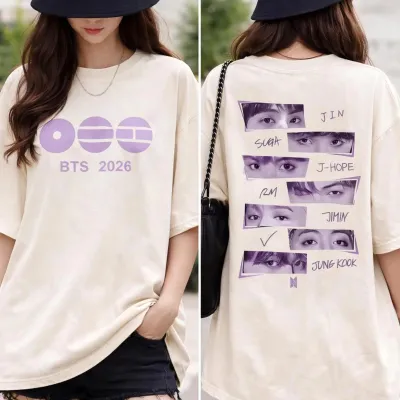
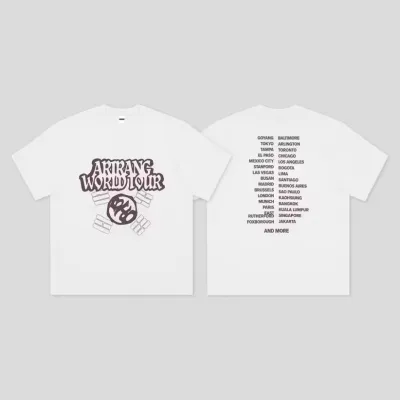

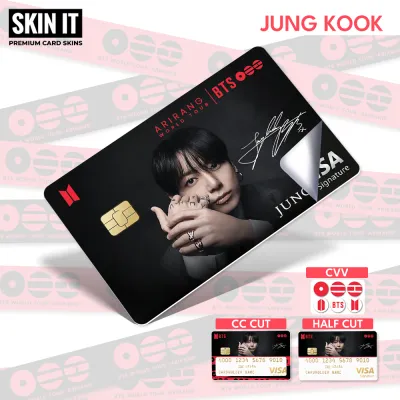
Prices are valid at publication and may change. Please refer to the product page for the latest price.
Key Indicators of Authentic Arirang Merch
Genuine merchandise adheres to strict manufacturing standards set by the official entertainment agency. Every authorized product undergoes rigorous quality control before it is distributed globally. When inspecting your purchases, several physical and visual details can immediately help you verify whether your items are genuine or unauthorized reproductions.

Packaging and Print Quality
Official albums and goods use high-resolution printing processes that prevent pixelation, color bleeding, or blurry text. When holding a genuine album, check the cardboard thickness of the outer sleeve or box. Official packaging is designed to be sturdy, protecting the contents from external damage during transit and long-term storage.
Pay close attention to color accuracy and the sharpness of the text on the spine and back cover. Counterfeit items often display a slight color cast, appearing overly saturated or washed out because they are printed from scanned images rather than original digital files. Additionally, official merchandise uses premium matte or glossy finishes that feel smooth to the touch, unlike the rough or excessively sticky plastic coatings found on bootleg versions.
Official Holograms and Security Stickers
One of the most reliable ways to verify authenticity is by locating and inspecting official security seals. Most Korean entertainment agencies place holographic stickers on the album shrink wrap, the back of the album cover, or the packaging of official lightsticks. These stickers are designed with complex patterns that are difficult for counterfeiters to replicate accurately.
When you tilt a genuine holographic sticker under a direct light source, you should observe a distinct visual shift in colors and patterns. Many official stickers feature specific logos, serial numbers, or security threads embedded within the hologram. If the sticker on your item is a flat, non-reflective silver print or lacks the dynamic color transition when rotated, the item is highly likely to be an unauthorized copy.
Material and Build Quality
The tactile experience of handling official merchandise provides immediate clues about its legitimacy. For instance, official photocards feature a specific cardstock weight, precise rounded corners, and clean edge finishing. If you run your finger along the edges of a genuine photocard, you should not feel any rough paper fibers or uneven cuts, which are common signs of home-printed replicas.
For larger items like official lightsticks, pay attention to the overall weight, plastic quality, and button responsiveness. Genuine lightsticks are constructed from durable, impact-resistant plastics and feature secure battery compartments. Counterfeit lightsticks often feel unusually light, use cheap, translucent plastics that show internal wiring, and have loose or unresponsive buttons that fail to register clicks consistently.
Red Flags: Common Signs of Fake K-Pop Merch
Counterfeiters often cut corners to maximize their profit margins, leaving visible clues in both their digital listings and the physical products they ship. Recognizing these warning signs early can save you from the hassle of dealing with returns and disputes.
Suspicious Listing Details
Before finalizing your purchase, verify the specific product details including the edition, language, medium or file format (such as DVD region codes for concert packages), regional restrictions, device compatibility for electronic items, and content completeness. Ensure the listing clearly outlines all standard inclusions, such as photocards, lyric books, and posters, so you can cross-reference them with official agency specifications.
Be highly suspicious of sellers who rely solely on official stock photos without providing actual photos of the physical product in their inventory. Legitimate resellers in the Philippines will often show the physical album or merchandise box to prove they have the item on hand.
Price is another major indicator of authenticity. While official albums and lightsticks can vary in price, they generally fall within established market ranges. For example, official albums typically retail between ₱1,200 and ₱2,500, while official lightsticks can range from ₱2,500 to ₱4,500 depending on the group and release. If a listing offers a highly sought-after lightstick for an unusually low price, such as ₱500, it is almost certainly a counterfeit product.
Physical Flaws in Received Items
Once your package arrives, conduct a thorough physical inspection before confirming the order on the app. Look out for blurry printing on the photobook pages, miscut photocards with asymmetrical borders, and flimsy packaging that easily crushes under light pressure.
Check the text printed on the back of the album or the merchandise box for spelling mistakes, grammatical errors, or incorrect fonts. Counterfeiters frequently misspell Korean or English words in the copyright notices or tracklists. Additionally, verify that the official copyright symbols and agency logos are present and correctly aligned, as fakes often omit these details or print them in low-resolution formats.
How to Verify Authenticity Before and After Purchase
Confirming the legitimacy of your merchandise involves using both official verification tools and community-driven knowledge. Many modern K-pop agencies integrate digital authentication methods into their products, especially for high-value items like lightsticks.
To verify a lightstick, check if it includes a companion mobile app designed for concert pairing. Official lightsticks use secure Bluetooth modules that connect seamlessly to their dedicated apps for firmware updates and color customization. If your lightstick fails to connect to the official app or cannot be detected during a pairing attempt, it is a clear sign of a counterfeit device lacking the necessary internal hardware.
For albums and other printed goods, look for QR codes or specialized security seals that can be scanned using official verification apps like Korea’s KOMCA app or agency-specific scanners. When scanned, these codes should direct you to a secure, verified domain confirming the product’s registration.
Additionally, compare your received item with verified unboxing videos from trusted community creators. Pay close attention to the exact layout of the inclusions, the texture of the photobook cover, the placement of the holographic sticker, and the specific order of the tracks listed on the back. Even minor discrepancies in font size or spacing can confirm an item is counterfeit.
Choosing Trusted Sellers on Lazada and Other E-Commerce Platforms
Minimizing your purchase risk on e-commerce platforms requires a careful evaluation of seller credibility. On Lazada, prioritizing official flagship stores is the safest route. Look for the LazMall tag, which guarantees that the products are sourced directly from authorized brand distributors or the agencies themselves.
When buying from third-party resellers, do not rely solely on high follower counts or positive feedback. Some shops accumulate positive ratings by selling cheap, unrelated household items before pivoting to high-demand K-pop merchandise. Instead, read the recent reviews specifically for the K-pop products they sell. Look for reviews that include clear photo and video evidence from local buyers in the Philippines.
Check if the seller actively responds to customer inquiries with detailed, transparent information about the product’s origin, batch numbers, and shipping methods. Legitimate sellers are usually willing to provide additional photos of the holographic stickers or packaging details upon request. Avoid shops that use generic, automated responses or refuse to answer specific questions about authenticity.
What to Do If You Receive Counterfeit Items
If you suspect that the merchandise you received is counterfeit, taking immediate and documented action is crucial for securing a refund. Before you even open the shipping package, prepare to record a continuous, unedited unboxing video.
Start the video by showing the shipping label clearly, proving that the package has not been tampered with. Keep the camera focused on the package as you open it, inspect the outer box, check the holographic stickers, and examine the physical details of the merchandise. This unedited video serves as your primary, indisputable proof of the item’s condition upon arrival when filing a dispute.
Do not use the item, peel off any protective films, or discard the original shipping box and packaging. E-commerce platforms require all original packaging to be intact to process a return. File a return or refund request immediately through the platform’s buyer protection program, selecting the appropriate reason code for counterfeit or mismatched items, and upload your unboxing video along with high-resolution photos of the physical flaws.
Frequently Asked Questions (FAQ)
Refer to these frequently asked questions to resolve common doubts regarding K-pop merchandise authenticity and seller claims.
Are unofficial fan-made goods considered counterfeit?
No, unofficial fan-made goods are generally not considered malicious counterfeits if they are sold transparently as fan art or fan-made items. Many talented creators design their own photocards, keyrings, or apparel to celebrate their favorite artists. However, these items do not hold official collectible value and should never be marketed or sold as genuine agency products. If a seller attempts to pass off fan-made items as official merchandise at official prices, that constitutes deceptive counterfeiting.
Can I trust a seller if they provide a certificate of authenticity?
In the K-pop merchandise market, self-printed certificates of authenticity provided by random third-party online sellers are highly unreliable and easily forged. Unlike high-end art or jewelry, official K-pop agencies do not typically issue separate paper certificates for standard albums or lightsticks. Instead, they rely on built-in security features like holographic stickers, QR codes, and app integration. Only certificates issued directly by the official entertainment agency or recognized, authorized global distributors should be considered valid proof of authenticity.
Community discussion
Share your experience or ask a question. Comments are reviewed before publication.