
To tell if your V8 album is authentic, you must conduct a holistic check of its physical packaging, print quality, and digital security markers. The rise of high-quality bootlegs, often marketed as “reprints” or “factory overruns” in the K-Pop market, makes vigilance essential for collectors. While these counterfeit copies might mimic the official aesthetic at a casual glance, they fail to deliver the premium production standards of genuine releases. More importantly, bootlegs lack official licensing, feature inferior audio compression on the disc, and do not contribute to the artist’s official sales charts. Because counterfeiters have become highly sophisticated, no single visual flaw guarantees an album is fake; instead, you must combine visual, tactile, and digital verification methods to make an accurate determination.
Key Physical Markers of an Authentic V8 Album
Verifying the authenticity of your V8 album requires a systematic inspection under bright, neutral lighting. When possible, keep a known authentic release from the same distributing agency nearby to compare the paper weight, printing sharpness, and color saturation. Checking these physical attributes step-by-step will help you spot the structural compromises typical of unlicensed operations.
Packaging, Shrink Wrap, and Spine Details
The outer presentation is your first line of defense against counterfeits. Authentic V8 albums are sealed in tight, industrial-grade shrink wrap with clean, straight, and nearly invisible heat-sealed seams. Counterfeiters often use cheap, hand-operated heat sealers, resulting in loose, crinkly plastic wrap with thick, messy, or uneven burned seams that tear easily. Once the wrap is examined, inspect the spine of the album box or sleeve. Genuine releases feature razor-sharp, perfectly aligned spine text with consistent font weights and precise spacing. On replica albums, the spine text is frequently misaligned, blurry, or printed in a slightly different font weight due to low-resolution scanning of the original artwork. Ensure you also check the bottom or back cover for the official distributor’s logo, the correct catalog number, and a crisp, high-contrast barcode that displays no bleeding ink.
Products mentioned in this guide
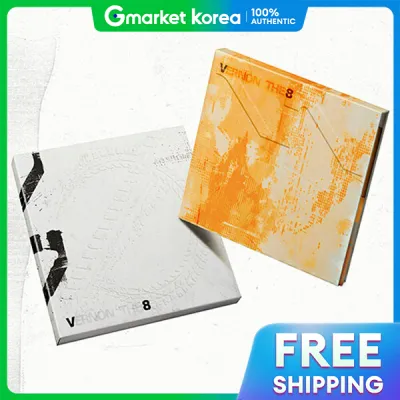
![[ +WEVERSE GIFT ] SEVENTEEN V8 - 1st Mini Album [ V8 ] Photobook ver](https://img.lazcdn.com/g/ff/kf/Sfe844ec6383e4244bb20fa68409545b7P.jpg_400x400q80.jpg_.webp)
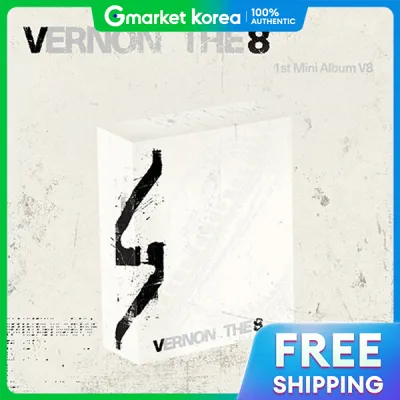
![SEVENTEEN V8 - 1st Mini Album [ V8 ] KiT ver](https://img.lazcdn.com/g/ff/kf/Sc036ae7178b14f54b474514a0e735239h.jpg_400x400q80.jpg_.webp)
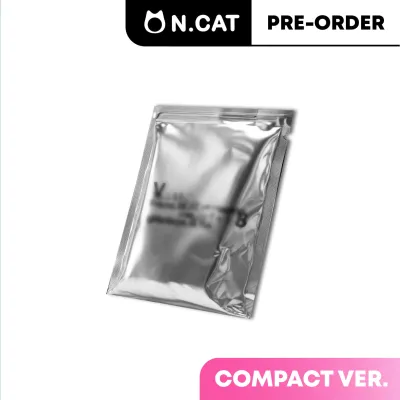
![[ +WEVERSE GIFT ] SEVENTEEN V8 - 1st Mini Album [ V8 ] Compact ver](https://img.lazcdn.com/g/ff/kf/Sb303cef025a345518abffa063a755b76F.jpg_400x400q80.jpg_.webp)
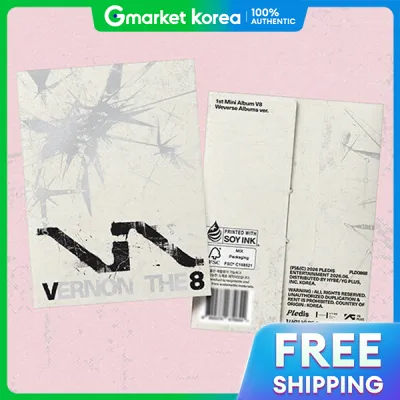
![[ +WEVERSE GIFT ] SEVENTEEN V8 - 1st Mini Album [ V8 ] Weverse Albums ver](https://img.lazcdn.com/g/ff/kf/S6dc469096ed74fce961723fb61513670b.jpg_400x400q80.jpg_.webp)
Prices are valid at publication and may change. Please refer to the product page for the latest price.
Photobook Print Quality and Paper Texture
Unlicensed manufacturers rarely invest in high-grade materials, making the photobook a reliable indicator of legitimacy. Authentic V8 photobooks are printed on heavy, high-GSM coated paper that feels substantial and smooth to the touch. The color reproduction is vibrant and balanced, showing natural skin tones and deep, clean black levels without color casting. In contrast, counterfeit photobooks often use thinner, uncoated paper that feels flimsy and absorbs ink poorly, leading to dull, washed-out colors or a noticeable yellow-green tint. Under close inspection, images in fake photobooks may exhibit pixelation or moiré patterns—wavy lines caused by scanning already-printed photos. Furthermore, check the binding of the photobook. Official releases use clean, even stitching or high-quality flexible binding glue with no excess adhesive seeping onto the pages. In the humid tropical climate of the Philippines, cheap counterfeit glue degrades rapidly, causing the pages of fake albums to fall out or stick together, often emitting a harsh, chemical odor of industrial adhesive rather than the neutral scent of fresh paper.
CD/Disc Printing and Hologram Stickers
The physical disc and its security seals offer concrete proof of authorization. The printed surface of an authentic V8 CD features clean, centered graphics with perfectly defined edges and no overlapping ink. Look closely at the inner ring of the disc’s underside; genuine CDs contain matrix numbers, mastering codes, and the IFPI logo etched cleanly into the plastic. Counterfeit discs often omit these microscopic codes entirely or print them poorly. On the outer packaging, look for the official K-Pop authentication hologram sticker, typically issued by the Korea Music Content Association (KOMCA) or the specific distributing agency. A genuine sticker shifts colors smoothly when tilted under light, revealing sharp micro-text, intricate security patterns, and a clean, bubble-free application. Fake stickers are often static metallic prints that do not change color dynamically, or they are applied crookedly with trapped air bubbles and blurry, unreadable micro-text.
Common Red Flags in Counterfeit V8 Albums
Recognizing the shortcuts taken by bootleg manufacturers can save you from a bad purchase. One of the most common red flags is typographical errors. Carefully read the tracklist, credit pages, and copyright notices on the back cover; counterfeits frequently contain misspelled English words, incorrect spacing, or character errors in Korean text. Barcodes are another common failure point. A counterfeit barcode is often a low-resolution image scan that fails to register when scanned with standard barcode-reading mobile applications.

Inclusions like photocards, postcards, and stickers are highly prized by collectors and are frequently faked. Authentic V8 photocards are printed on thick, durable cardstock with a flawless finish—whether matte or glossy—and feature clean, rounded corners. Many official photocards also exhibit tiny specular points or tabs on the edges, which are natural remnants of the industrial sheet-cutting process. Counterfeit photocards feel noticeably thinner, bend easily, and often have rough, unevenly cut corners. The images on fake photocards are frequently cropped incorrectly, zoomed in, or have a strange, overly glossy texture that reflects light harshly.
Be cautious of missing or incorrect inclusions. Fake albums often omit the random first-press benefits, such as limited-edition posters or unique sticker sheets, or they include poorly cut, low-resolution versions of these items. Do not rely solely on the price tag as a guarantee of authenticity. While a suspiciously low price—such as a brand-new V8 album listed for ₱300 when authorized retailers sell it for ₱1,200 to ₱1,500—is a clear warning sign, some deceptive sellers list high-quality fakes at near-retail prices to trick buyers into thinking they are purchasing the real deal. Finally, compare the weight and dimensions of the package. Counterfeiters often use lighter, cheaper cardboard for the outer box, resulting in a package that feels unusually light and is highly susceptible to warping under humid conditions.
Official Verification Methods and Hologram Scanning
Modern K-Pop distributors utilize digital security measures to help fans verify their purchases. To authenticate your V8 album, locate the official hologram sticker on the packaging and identify the specific authentication app associated with the distributing agency or the KOMCA seal. Download the designated app directly from the official Google Play Store or Apple App Store. Open the app and use your smartphone camera to scan the QR code or the hologram pattern under bright, direct light.
A successful scan will trigger an official confirmation screen, often accompanied by a unique serial number, the album title, and an authentication animation. If the scan returns an error, displays an “already registered” warning, or redirects you to an unofficial, third-party website, the album is highly likely to be a counterfeit. Keep in mind that older pressings, specific regional distributions, or reissue versions of the V8 album might not feature app-scannable digital codes. In these cases, you must rely on manual visual verification. Tilt the sticker under a flashlight to check for hidden security patterns, color-shifting elements (such as shifting from gold to green), and the presence of cleanly printed serial numbers that match the release batch.
Where to Buy Genuine V8 Albums Safely
The most effective way to avoid counterfeit V8 albums is to buy exclusively from trusted, authorized distribution channels. Always prioritize purchasing directly from the artist’s official global webstore, recognized international music platforms, or local K-Pop specialty shops in the Philippines that are officially partnered with Hanteo or Circle Chart family networks. Buying from these verified sellers guarantees that your purchase is authentic, contains all first-press inclusions, and directly contributes to the artist’s official music show and album sales charts.
Before finalizing your purchase, always verify the specific edition, language, medium or file format, regional restrictions, device compatibility, and content completeness of the album. Never infer the edition’s exact contents solely from the title or cover image, as official releases often have multiple versions with distinct inclusions. When navigating third-party online marketplaces or social media buy-and-sell groups, you must exercise extreme caution. Avoid listings that use generic stock photos; instead, demand that the seller provide high-resolution, real-life photos of the physical album, including close-ups of the hologram sticker and the spine. Ask the seller for proof of purchase, such as an official receipt from an authorized retailer or an unboxing video. Be highly skeptical of sellers offering “unsealed but complete” albums or “factory defects” at steep discounts, as these are common euphemisms used to unload counterfeit stock. Before finalizing any transaction, check the seller’s rating, read customer reviews, and ensure they offer a secure payment method with buyer protection.
What to Do If You Suspect You Bought a Fake
If you receive an album and suspect it is a counterfeit, acting quickly and methodically is crucial to securing a refund. First, ensure you document the entire unboxing process. In the local collecting community, a continuous, unedited unboxing video—showing the sealed courier pouch from all angles before opening it and inspecting the contents—is the standard proof required by sellers and platforms alike. Take clear, well-lit, close-up photographs of the specific areas that raise concern, such as a blurry barcode, a non-shifting hologram, thin photocard stock, or misaligned spine text.
Contact the seller immediately through the platform’s official messaging system and present your video and photographic evidence. Politely explain the discrepancies and request a return or a full refund. If the seller is uncooperative or refuses to respond, escalate the issue by opening a formal dispute through the e-commerce platform’s customer service or buyer protection program. Do not alter, write on, or damage the album or its packaging while the dispute is active. Keep the entire package, including the original shipping box and courier pouch, exactly as it arrived, as the platform or seller may require you to return the item to secure your refund.
Frequently Asked Questions (FAQ)
Authentication standards and packaging details can vary slightly depending on the specific edition or production batch of your V8 album. Below are answers to some of the most common questions regarding the legitimacy of these releases.
Do all authentic V8 albums come with a hologram sticker?
While the vast majority of official V8 albums feature an authentication hologram sticker, there are exceptions. Some limited editions, specific regional distributions, or later reissues produced by different manufacturing partners may utilize alternative security seals, printed logo stamps, or no physical sticker at all. To confirm, always cross-reference your specific version with the official product packaging description published on the distributing agency’s official website or social media channels.
Can a fake V8 album still count toward official music show charts?
No, counterfeit V8 albums do not count toward official music show or sales charts, such as Hanteo or Circle Chart. Official charts rely on sales data reported directly by authorized, linked retail partners and distributors. Because bootleg albums are produced and sold through unauthorized, underground networks, their sales are completely invisible to tracking systems, meaning they provide zero support to the artists.
Community discussion
Share your experience or ask a question. Comments are reviewed before publication.