
Spotting a counterfeit Moonbyul album requires a keen eye for physical details, as bootleg manufacturers often cut corners on materials and printing. To verify if your copy is authentic, you must systematically examine the outer shrink wrap, the structural integrity of the box, the paper weight of the photobook, the clarity of the CD printing, and the presence of official holographic security stickers. By comparing these physical elements against known standards of official releases, you can protect your collection and ensure your money supports the artist directly.
Collecting K-Pop albums is a highly tactile hobby where the photobook, inclusions, and physical presentation are just as important as the music itself. Because official merchandise is produced under strict quality control standards, counterfeiters struggle to replicate the exact textures, weights, and security features of genuine pressings. Taking a few minutes to run through a physical inspection checklist before or immediately after purchase can save you from the disappointment of keeping a bootleg copy.
Inspecting the Outer Box and Shrink Wrap
The first line of defense when evaluating a Moonbyul album is the outermost layer of packaging. Official manufacturers use high-grade, industrial-strength shrink wrap that fits tightly around the album corners without warping the outer box. When inspecting a suspected copy, look closely at the seams and heat-seal lines. Counterfeit items or amateur repackages often feature loose, crinkly plastic, uneven seams, or messy, thick heat-seal lines that suggest manual wrapping rather than professional factory sealing.
Products mentioned in this guide
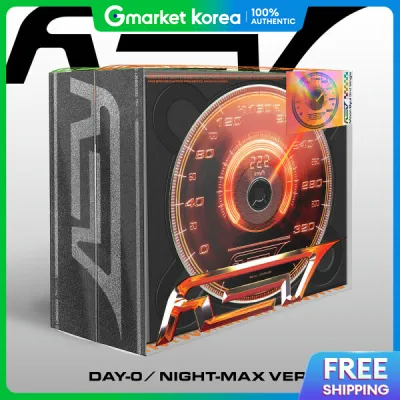

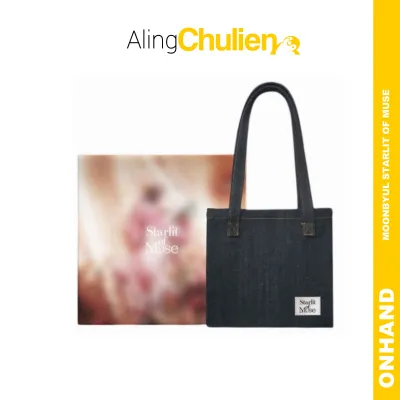
Prices are valid at publication and may change. Please refer to the product page for the latest price.
Next, turn your attention to the structural integrity of the outer box or sleeve. Official albums are constructed from thick, rigid cardboard that resists bending. In contrast, bootleg versions frequently utilize flimsy, low-grade cardstock that feels soft to the touch and yields easily under light finger pressure. In the humid tropical climate of the Philippines, this difference becomes even more pronounced; low-quality counterfeit cardboard absorbs moisture rapidly, leading to premature warping, soft corners, and a structurally compromised feel that authentic materials are better formulated to resist.
Color reproduction and edge cuts on the outer box are also critical indicators. Examine the artwork, logos, and text on the cover under bright, neutral lighting. Official releases boast vibrant, highly saturated colors and sharp, clean lines, whereas counterfeiters often scan official covers, introducing subtle blurriness, washed-out color tones, or rough, unevenly cut borders. Finally, check for the presence of official distributor stickers or seals on the outer packaging, inspecting these labels for signs of tampering, peeling corners, or misaligned placement.
Evaluating the Booklet and Paper Quality
The photobook is often the centerpiece of a Moonbyul album, making it a primary target for thorough inspection. Official photobooks are printed on premium, heavy-weight paper selected specifically to complement the concept artwork. When you flip through the pages, the paper should feel substantial, smooth, and consistently thick. Counterfeit booklets, aiming to minimize production costs, almost always resort to thinner, low-grade paper that feels flimsy, overly glossy, or rough, resembling a cheap magazine rather than a collector’s item.

Image resolution and color saturation within the booklet provide clear visual clues. Because counterfeiters typically print from digital scans, their photobooks suffer from noticeable printing artifacts. Look closely at high-detail areas, such as the artist’s hair, eyes, and clothing textures. Authentic pages feature crisp, high-definition images with smooth gradients and deep, balanced shadows. Fake booklets often exhibit pixelation, visible dot patterns from low-end printing presses, muddy shadows that obscure details, or washed-out colors that lack depth.
The binding and text pages are also areas where bootleggers frequently fail to match official standards. Examine the spine of the photobook and the center folds of the pages; official albums utilize strong, clean binding methods, whereas counterfeit booklets often show messy glue application, loose sheets, or severe creasing. Additionally, scan the lyrics and credits for typographical errors, blurred fonts, or incorrect translations. Official releases undergo rigorous proofreading, making typos extremely rare, whereas counterfeiters frequently make transcription errors and use incorrect font weights.
Checking the CD and Disc Printing
While many collectors purchase physical albums primarily for the photobook and photocards, the CD itself remains a vital component for authentication. Begin by examining the artwork printed on the face of the disc. Official CD printing is incredibly precise, featuring sharp text, accurate color matching, and clean logos that align perfectly with the overall album design. On a counterfeit disc, the printing is often blurry, with noticeable color bleeding, fuzzy text outlines, or pixelated graphics that indicate a cheap digital print job applied directly to a blank writeable disc.
Next, inspect the physical construction of the disc, focusing on the inner plastic hub and the center hole. Authentic CDs are manufactured in professional pressing plants using high-quality polycarbonate plastic, resulting in perfectly smooth, rounded edges along both the outer perimeter and the inner ring. Counterfeit discs, which are sometimes burned on standard consumer-grade CD-Rs, often exhibit rough, sharp, or uneven edges. You might also notice minor cracking, bubbles, or poor molding around the center hole, which can cause playback issues or even damage your CD player.
The most reliable physical indicator on the disc is the presence of laser-etched matrix codes and IFPI (International Federation of the Phonographic Industry) codes. Turn the disc over and look closely at the clear inner ring on the data side. Authentic discs feature clean, precise, laser-etched alphanumeric codes that identify the manufacturing plant, batch number, and mastering details. Counterfeit discs often lack these codes entirely, or they may feature poorly stamped, blurry, or printed text instead of a clean laser etch.
Verifying Official Authentication Features
To combat the spread of counterfeit merchandise, K-Pop distributors and entertainment agencies implement advanced security features on physical releases. The most common of these is the official holographic security sticker, often issued by organizations like the Korea Music Copyright Association (KOMCA) or specific regional distributors. This sticker is typically affixed to the back of the album or on the outer shrink wrap. When tilted under a light source, the holographic pattern should shift smoothly, displaying intricate details, specific logos, and changing colors that are difficult for counterfeiters to replicate.
Many modern releases also incorporate digital authentication methods, such as unique QR codes or hidden security patterns embedded within the packaging or stickers. To verify these, you must follow the specific scanning instructions provided by the distributor. This usually involves downloading an official authentication app or visiting a verified website to scan the code. A genuine code will direct you to a secure, official confirmation page validating the unique serial number of your specific album copy.
When performing these digital checks, remain highly vigilant against sophisticated counterfeiting tactics. Be cautious of authentication labels that appear scratched, peeled, or unevenly applied, as bootleggers sometimes transfer genuine stickers from damaged, authentic albums onto fake copies. Additionally, if the online verification system flags the serial number as already registered, shows a duplicate entry warning, or directs you to an unofficial, suspicious-looking URL, it is highly likely that the packaging or the sticker itself is a counterfeit reproduction.
Choosing Reliable Purchasing Channels
Minimizing the risk of purchasing a fake Moonbyul album starts with selecting the right retail channels. Whenever possible, prioritize official brand stores, authorized local distributors, and established K-Pop specialty retailers that have a proven track record of sourcing directly from South Korean entertainment agencies. In the Philippines, reputable local shops often participate in official chart-reflective sales, meaning your purchase not only guarantees authenticity but also directly supports the artist’s performance on music charts.
When shopping on third-party e-commerce platforms or online marketplaces, you must exercise extra caution. Scrutinize the seller’s profile by checking their overall rating, the age of their shop, and customer feedback. Look specifically for recent buyer reviews that include detailed photos and videos of the physical albums received. Avoid sellers who use stock photos exclusively or those who have a history of unaddressed complaints regarding packaging quality or missing inclusions like photocards.
Pricing is another powerful indicator of legitimacy. While it is natural to look for a good deal, be highly suspicious of listings offering “brand new, sealed” Moonbyul albums at prices significantly lower than the standard retail value in Philippine Pesos (₱). Official albums incur manufacturing, shipping, and customs costs, which establish a realistic baseline price. If a deal seems too good to be true—such as a sealed album priced at a fraction of its usual market value—it is almost certainly a counterfeit copy or a scam designed to exploit unsuspecting fans.
Frequently Asked Questions (FAQ)
Can I return a fake Moonbyul album if I bought it online?
Yes, you can generally return a counterfeit album, provided you take immediate action and document the issue thoroughly. When your package arrives, record a continuous, unedited video of the unboxing process, showing the shipping label, the sealed package, and the physical flaws of the album as you inspect it. This video serves as crucial evidence when filing a dispute. Check the specific e-commerce platform’s buyer protection policies and initiate the return or refund process within their designated time limits to secure your money back.
Do all official Moonbyul albums have a holographic sticker?
Not all official Moonbyul albums feature the exact same holographic sticker, as authentication methods evolve over time and vary by distributor. Older releases, special editions, or albums distributed through different regional partners may use distinct security labels, QR codes, or even omit traditional stickers in favor of alternative verification methods. To ensure accuracy, always check the official distributor’s current authentication guidelines for the specific album version and release year you are trying to verify.
Community discussion
Share your experience or ask a question. Comments are reviewed before publication.