
To verify a melodica instrument original, buyers must carefully inspect the physical build quality, test the airtightness, evaluate the packaging, and purchase only from authorized retail channels. Counterfeit instruments often mimic the external appearance of popular brands but fail under closer inspection of their materials, key action, and acoustic performance. In tropical climates like the Philippines, where high humidity can accelerate the degradation of cheap components, choosing a genuine instrument is essential for long-term durability and safety.
A genuine melodica is a precision-engineered wind instrument that relies on high-quality internal reeds, airtight chambers, and food-grade plastics. Counterfeiters target popular student and professional models, replicating their colors and logos while using substandard manufacturing processes. By understanding what to look for, you can protect your investment and ensure a safe, rewarding musical experience.
Understanding the Risks of Counterfeit Melodicas
Inferior materials used in counterfeit melodicas directly degrade the instrument’s sound quality and tuning stability. Genuine manufacturers tune each reed precisely using durable copper, brass, or bronze alloys that resist corrosion and maintain their pitch over years of play. Counterfeits often use cheap, poorly cut metal alloys that go out of tune quickly, sound harsh or muffled, and rust rapidly when exposed to moisture from the player’s breath.
Products mentioned in this guide
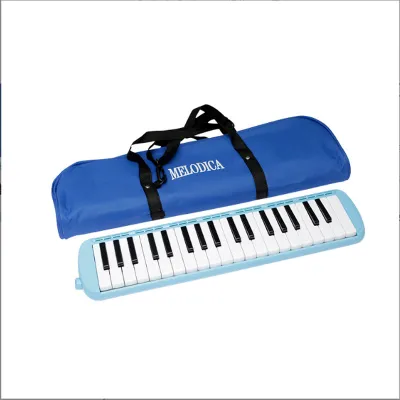
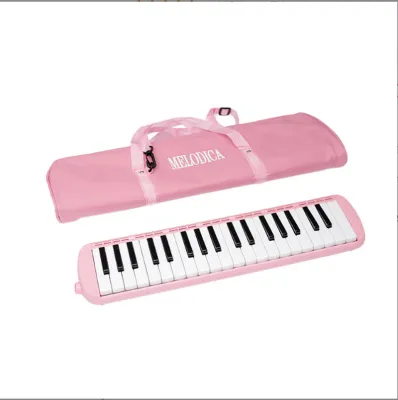
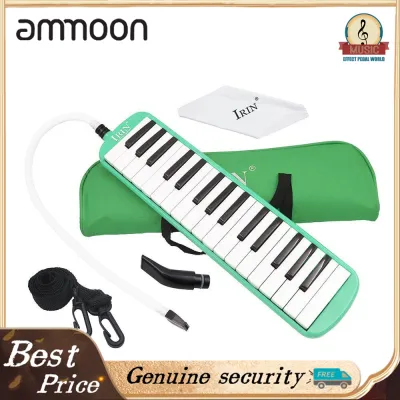
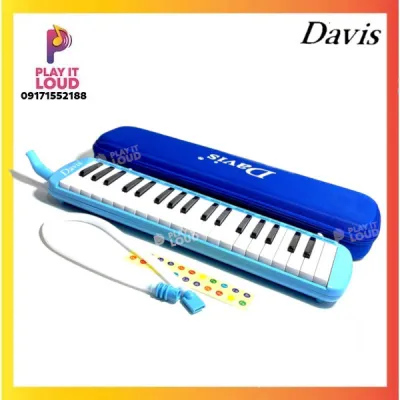
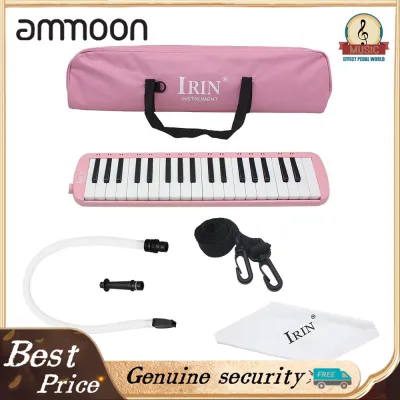
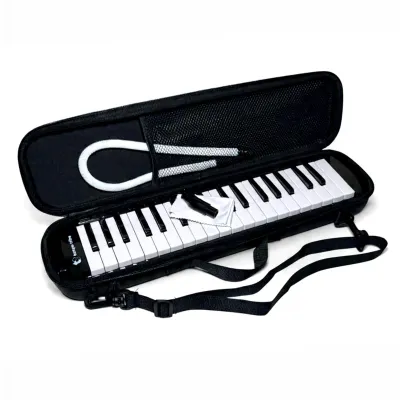
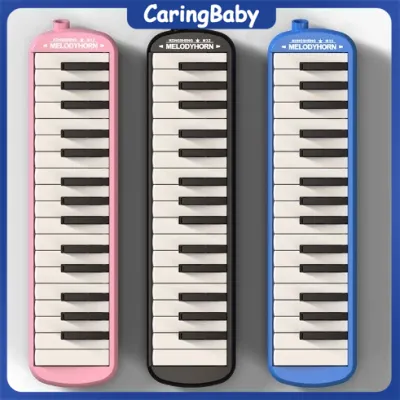
Prices are valid at publication and may change. Please refer to the product page for the latest price.
Health and safety concerns represent a major risk when purchasing unverified instruments. Because a melodica requires direct mouth contact, the safety of the mouthpiece and extension tube is paramount. Reputable brands use certified food-grade plastics and non-toxic dyes that do not leach harmful chemicals. Counterfeiters, operating without regulatory oversight, frequently use cheap industrial plastics, toxic colorants, or volatile adhesives that emit strong chemical odors and pose potential health hazards to players, especially young students.
Furthermore, counterfeit instruments lack any form of manufacturer warranty support or customer service. If a key sticks, a reed breaks, or the body cracks, you will not have access to official replacement parts or repair services. Genuine brands offer reliable customer support and standardized accessories, ensuring that your instrument remains playable and maintainable for a long time.
Inspecting Packaging, Labels, and Included Accessories
Evaluating the external presentation of a melodica is one of the easiest ways to spot a fake before even playing the instrument. Genuine retail packaging features high-resolution printing, accurate brand colors, and sturdy cardboard designed to protect the instrument during transit. Counterfeit boxes often display blurry logos, pixelated graphics, washed-out colors, and noticeable spelling or grammatical errors in the text and user manuals.

The included accessories also provide clear clues regarding authenticity. Examine the blow tube, mouthpiece, and carrying case carefully. Original accessories are designed to fit the instrument perfectly without requiring excessive force to insert or remove. The plastic of a genuine extension tube is flexible, durable, and free of strong chemical smells, whereas counterfeit tubes are often stiff, prone to kinking, and emit a strong plastic odor. The carrying case of an original melodica will have clean stitching, robust zippers, and a properly aligned, high-quality logo badge or print.
Many reputable manufacturers now include brand-specific security features on their packaging to combat counterfeiting. Look for holographic stickers, unique serial number labels, or scratch-off QR codes on the box. You can cross-reference these security markers with the manufacturer’s official verification guidelines on their website to confirm whether the product is authentic.
Examining Build Quality, Materials, and Physical Details
A close physical inspection of the melodica’s body reveals the level of craftsmanship involved in its production. Genuine melodicas feature a smooth, high-quality plastic or metal finish with perfectly aligned seams. There should be no sharp plastic leftovers from the molding process, known as flashing, and no warping along the edges of the body. Counterfeit models often exhibit rough, uneven seams, visible glue residue, and inconsistent plastic thickness.
Branding and logo application are critical areas where counterfeiters often make mistakes. Examine the logo on the body of the instrument, which may be engraved, printed, or applied as a badge. On an original melodica, the typography is crisp, the alignment is perfectly horizontal, and the paint or engraving is clean and durable. Counterfeits frequently feature misaligned logos, incorrect font weights, or cheap paint that easily scratches off with a fingernail.
The keyboard mechanism is another reliable indicator of build quality. Press each key slowly to assess the action. A genuine melodica offers consistent resistance across all keys, smooth vertical movement, and quiet operation. The keys should be perfectly aligned horizontally and vertically, with uniform gaps between them. Counterfeit keyboards often have keys that rattle, feel mushy, stick when pressed, or sit at uneven heights, which severely hinders playability.
Testing Playability, Airflow, and Internal Components
Airtightness is fundamental to the performance of any wind instrument. To perform an air leak test, blow gently into the mouthpiece or tube without pressing any keys. A genuine, properly sealed melodica will resist your breath completely, and no air should escape. If you hear a hissing sound or feel air leaking from the body seams, the key valves, or the moisture release button, the instrument is either counterfeit or severely defective.
Next, play a simple scale across the entire range of the keyboard to evaluate the tone and intonation. An original melodica produces a clear, consistent tone with accurate pitch from the lowest to the highest note. Counterfeits often suffer from poor intonation, with some notes sounding noticeably flat or sharp. You may also notice buzzing, rattling, or muted reeds that require excessive breath pressure to produce any sound at all.
The moisture release mechanism, often located on the back or end of the instrument, must also be tested. This spring-loaded button or valve allows players to clear condensation from the internal air chamber. On a genuine melodica, this mechanism operates smoothly, seals tightly when closed, and effectively clears moisture. In contrast, counterfeit valves often leak air during play, stick in the open position, or fail to seal properly, rendering the instrument unplayable.
Choosing Reliable Retailers and Handling Suspected Fakes
To minimize the risk of purchasing a counterfeit melodica, always prioritize authorized dealers, official brand flagship stores, and reputable local music shops. These retailers source their inventory directly from the manufacturers, ensuring authenticity and providing valid local warranties. Be highly cautious when browsing unverified third-party sellers on online marketplaces or ecommerce platforms, where counterfeit goods are more commonly distributed.
Price is often the most telling indicator of a counterfeit product. Before making a purchase, research the standard retail price of the specific model you want. If a seller offers a premium or professional melodica at a price significantly below the typical ₱ retail price, treat the listing with extreme suspicion. Genuine instruments require high-quality materials and precise manufacturing, meaning legitimate discounts are rarely drastic.
If you suspect you have received a counterfeit melodica, take immediate action to protect your purchase. Document the unboxing and testing process on video, capturing clear close-ups of the packaging, logos, physical defects, and any performance issues like air leaks. Contact the ecommerce platform’s dispute resolution center or your payment provider right away to initiate a return and refund process, using your video and photographic evidence to support your claim.
Frequently Asked Questions (FAQ)
Can I verify a melodica's authenticity using a serial number?
While some premium or professional melodica models feature unique serial numbers printed on the body or the packaging, many standard student models do not. To determine if your instrument should have a serial number, check the manufacturer’s official website for model-specific details. If a serial number is present, you can often contact the manufacturer’s customer service or use an online verification tool on their site to validate its authenticity.
Are melodicas from third-party online marketplaces always fake?
No, third-party online marketplaces host a mix of authorized retailers, reputable music shops, and unauthorized independent sellers. To ensure you are buying a genuine instrument, check the seller’s official credentials, look for authorized dealer badges, and read verified customer reviews. Additionally, review the platform’s return and buyer protection policies so you can easily secure a refund if the instrument does not meet authenticity standards.
Community discussion
Share your experience or ask a question. Comments are reviewed before publication.