
To tell if a K-pop album is authentic, you must look at a combination of physical markers: the official distributor holographic sticker (such as the KOMCA seal), the quality and weight of the paper stock, the precision of the photocard die-cuts, and the clarity of the print. A genuine release will feature high-fidelity printing, robust packaging, and precise assembly that counterfeiters struggle to replicate. For collectors in the Philippines, where the secondary market is highly active, knowing these physical markers is essential to protect your investment and support your favorite artists.
Why K-Pop Album Counterfeits Are a Growing Concern
The massive popularity of Korean music has turned physical albums into highly coveted collector’s items. Unlike traditional CDs, K-pop albums are experiential packages filled with photobooks, posters, stickers, and highly collectible photocards. This high demand, combined with the premium pricing of imported goods, has created a lucrative market for unauthorized reproductions.
Buying authentic releases ensures that your money directly supports the artists through official charts like Hanteo and Circle. It also guarantees superior audio and visual quality, preserving the longevity of your collection. Because counterfeiters are constantly upgrading their scanning and printing technologies, relying on a single check is no longer enough; you need a systematic, multi-step verification approach.
Products mentioned in this guide

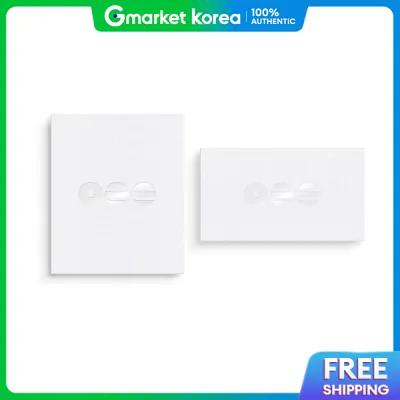
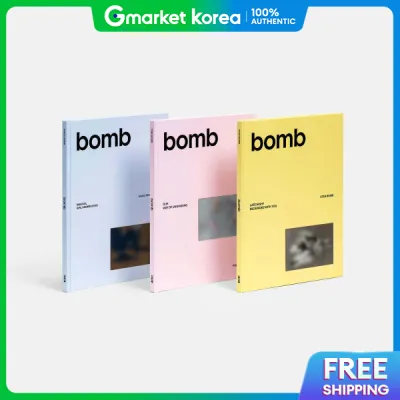

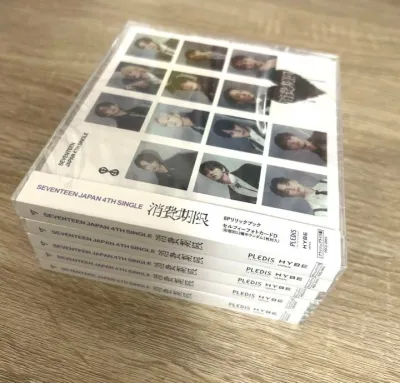

Prices are valid at publication and may change. Please refer to the product page for the latest price.
Key Physical Markers of an Authentic K-Pop Album
When inspecting a physical album kpop purchase, verifying physical details is the most reliable way to confirm its legitimacy. Genuine manufacturing plants use high-end equipment that replicates colors, textures, and security features with extreme precision.

Packaging and Shrink Wrap
The outermost layer of the album is your first line of defense when verifying authenticity.
- Shrink Wrap Seams: Genuine albums are sealed in high-quality, taut shrink wrap that fits the contours of the packaging perfectly. The seams of the plastic wrap are clean, straight, and heat-sealed without messy, melted excess or loose flaps.
- Holographic Seals: Most official albums distributed from South Korea feature a Korea Music Content Association (KOMCA) holographic sticker or a specific distributor seal (such as YG Plus, SM Entertainment, or Kakao Entertainment). These stickers are highly sophisticated; they feature a reflective, multi-layered holographic pattern that shifts color and reveals hidden logos or serial numbers when tilted under a light source.
- Barcode Clarity: The barcode on the back of the album should be printed with sharp, dark lines and clean numbers. Counterfeit barcodes often look slightly blurry or have bleeding ink, which can make them difficult to scan.
Print Quality and Paper Stock
The print quality of the photobook and cover is incredibly difficult for counterfeiters to replicate without expensive industrial machinery.
- Print Resolution: Official manufacturing facilities use industrial-grade offset printing presses that render images with incredible clarity and color accuracy. When you inspect the photobook, the images should look crisp, with smooth color gradients and sharp text.
- Paper Stock and Finish: The paper stock used for the cover and internal pages is heavy and premium, designed to withstand handling. In the humid tropical climate of the Philippines, cheap paper absorbs moisture rapidly, leading to severe warping and bubbling, whereas official premium paper stocks are much more resilient.
- Ink Consistency: The colors throughout the photobook should remain consistent across pages. Look closely at dark areas; genuine prints will show deep, even blacks without gray banding or splotchy ink distribution.
Photocards and Inclusions
Photocards are often the most valuable part of an album, making them prime targets for replication.
- Die-Cut Corners and Tabs: Authentic photocards are printed on thick, sturdy cardstock with a professional matte or glossy protective coating. One of the most reliable physical markers is the presence of tiny "tabs" or rounded corner nubs. These are small imperfections on the edges left behind when the cards are detached from their printing sheets.
- Card Thickness: Official photocards have a distinct stiffness and do not bend easily under light pressure. Counterfeits often feel like thin, laminated paper.
- Back Design and Watermarks: The back of the card should feature clean, centered logos with correct fonts and color matching. Many agencies now include subtle watermarks or holographic patterns on the card backs that are highly difficult to counterfeit.
Common Red Flags in Fake K-Pop Albums
Identifying a counterfeit often comes down to spotting the shortcuts taken during unauthorized production. Because counterfeiters aim to minimize costs, they frequently fail to replicate the structural integrity and fine details of genuine releases.
Visual and Print Defects
Counterfeiters typically scan original albums and reprint them, which inevitably introduces visual degradation.
- Generational Loss: This scanning process results in "generational loss," where fine details become blurry, small text becomes illegible, and colors appear washed out or overly saturated.
- Halftone Dots: Look closely at the printed images under a magnifying glass or a smartphone zoom lens. If you see a pattern of tiny cyan, magenta, yellow, and black dots (halftones), it is a clear sign of a low-quality digital reprint.
- Typographical Errors: Spelling mistakes on the tracklist, production credits, or copyright notices are immediate giveaways. Counterfeiters often use optical character recognition (OCR) software that misinterprets Korean characters or fine English print.
Flimsy Materials and Poor Assembly
To maximize profit margins, counterfeiters use cheap, lightweight materials that compromise the album’s structural integrity.
- Weak Binding: Pay close attention to the binding of the photobook. Genuine albums use high-quality bookbinding glue or thread stitching that keeps pages securely attached. Counterfeit albums often have loose pages, unevenly cut margins, or visible, messy glue lines along the spine that dry out and crack easily.
- Flimsy Outer Shells: If the outer box or slipcase feels flimsy, bends easily under slight pressure, or has rough, unpolished edges, be suspicious. Official packaging is designed to protect the contents and maintain its shape.
- Inconsistent Alignment: Check the alignment of the spine text. On fake albums, the text on the spine is often misaligned, tilted, or off-center compared to the front and back covers.
Missing or Altered Inclusions
Official albums come with a specific, standardized set of inclusions detailed in the pre-order or release specification sheets.
- Incomplete Contents: If your album is missing standard items like lyric sheets, sticker packs, or specific folded posters, it may be a counterfeit or a tampered copy.
- Substandard Posters: Fake posters are often printed on cheap, thin paper that creases easily and lacks the vibrant colors of the original. They may also be folded incorrectly or have uneven borders.
- Missing Authentication Stickers: Certain limited editions or special releases include unique serial numbers or secondary authentication stickers. Always cross-reference your package with the official album specification sheet to ensure every item is present and correct.
How to Verify Authenticity and Choose Reliable Sellers
To avoid the disappointment of receiving a fake, prioritize buying from authorized physical retailers, official brand stores, or reputable music platforms that export directly from South Korea. Before making a purchase, always verify the specific edition, language, medium or file format, regional restrictions, device compatibility, and content completeness of the album to ensure it matches your collection goals.
In the Philippines, genuine albums typically retail between ₱800 and ₱1,500 depending on the version, weight, and shipping fees. If you spot an album listed on a general online marketplace or e-commerce platform for an impossibly low price—such as ₱200 or ₱300 for a brand-new release—it is almost certainly a counterfeit.
When purchasing second-hand or through independent resellers (such as group order administrators), use these verification checks:
- Request Proof of Purchase: Ask the seller for a screenshot or receipt of their original purchase from a verified Korean store.
- Check Seller Reviews: Look for established sellers with positive feedback specifically mentioning album authenticity and secure packaging.
- Ask for Unboxing Videos: Request a video of the album being unboxed or held under different lighting angles to inspect the holographic stickers and photocard edges.
Keep in mind that while scanning QR codes or looking at holographic stickers is helpful, advanced counterfeiters can replicate these elements. Therefore, a hands-on physical inspection of the materials remains your most reliable line of defense.
What to Do If You Receive a Counterfeit Album
If you suspect you have received a counterfeit album, immediate and documented action is crucial to secure a refund.
- Record a Continuous Unboxing Video: Always record a continuous, unedited video from the moment you receive the package. The video must clearly show the shipping label, the sealed state of the outer box, and the step-by-step opening of the package, highlighting the specific defects or missing inclusions.
- File a Dispute Immediately: Contact the seller or file a dispute through your e-commerce platform's customer resolution center. Provide your unboxing video and high-resolution photos of the defects as clear evidence.
- Do Not Alter the Item: Do not write on the packaging, peel off stickers, or attempt to repair any loose pages before receiving official instructions from the platform, as altering the item's condition can void your buyer protection and refund eligibility.
Frequently Asked Questions (FAQ)
Can I tell if a K-pop album is fake just by looking at the photocards?
While photocards are a strong indicator of authenticity, they should not be your sole verification method. Because photocards are highly sought after, some dishonest sellers insert high-quality fan-made or counterfeit photocards into genuine, unsealed albums, or conversely, place an authentic photocard inside a counterfeit album to deceive buyers. Always evaluate the entire package—including the shrink wrap, photobook printing, and distributor stickers—to make an accurate assessment.
Do all genuine K-pop albums have a holographic sticker?
No, not all genuine K-pop albums feature a holographic sticker. While the vast majority of albums distributed directly from South Korea carry a KOMCA or distributor-specific holographic seal, albums produced for international markets (such as specific US or European editions) or older out-of-print releases may have different markings or no holographic stickers at all. Always cross-reference your specific album version with official unboxing videos or the entertainment agency’s official packaging specifications.
Community discussion
Share your experience or ask a question. Comments are reviewed before publication.