
To verify the authenticity of the legal kit ni juan, collectors must look beyond a single holographic sticker or seller’s promise. A genuine kit is defined by its high-quality materials, precise printing, secure packaging seals, and verifiable documentation. In the Philippines, the rising popularity of limited-edition educational and cultural collectibles has created a thriving secondary market. Unfortunately, this high demand and limited supply have also attracted counterfeiters who produce convincing replicas. Acquiring an inauthentic kit leads to both financial loss and the disappointment of owning an incomplete or poorly made imitation. Relying solely on a seller’s word or a single low-resolution photo is rarely enough to guarantee authenticity in today’s marketplace.
Physical Traits of an Authentic Legal Kit ni Juan
Spotting a counterfeit requires a close, systematic examination of the physical item. Genuine limited-edition kits are produced under strict manufacturing standards, ensuring that every component—from the outer box to the smallest printed insert—meets a specific baseline of quality. Collectors should evaluate both the external packaging and the internal contents, as counterfeiters often focus their efforts on the outer appearance while neglecting the finer details inside.
Packaging, Seals, and Labels
The outer packaging serves as the first line of defense against counterfeits. Authentic kits typically feature high-quality holographic stickers or official security seals placed by the publisher. These seals should reflect light cleanly without looking dull or poorly adhered. Examine the typography on the box carefully; look for consistent font weights, sharp lettering, and absolute spelling accuracy. Counterfeit boxes often exhibit slight font variations, blurry barcodes, or misaligned text blocks. Additionally, inspect the shrink wrap and security tapes. Genuine kits are wrapped tightly with professional-grade materials, whereas replicas may arrive in loose, crinkly plastic wrap that has been crudely heat-sealed at the edges.
Products mentioned in this guide
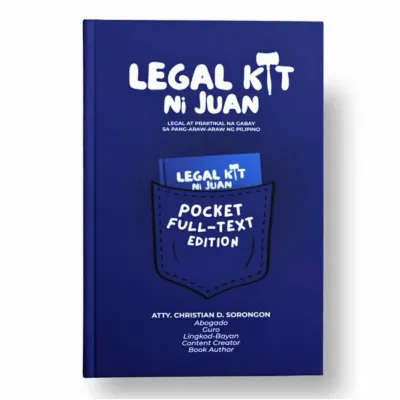
Prices are valid at publication and may change. Please refer to the product page for the latest price.
Print Quality and Material Finish
Once the box is open, the tactile feel of the contents provides immediate clues. Authentic printed materials, such as booklets, reference cards, or documents, are produced on heavy, premium paper stock with clean, smooth edges. In the humid tropical climate of the Philippines, cheap counterfeit paper is highly susceptible to warping, absorbing moisture quickly and feeling limp or wavy. Run your fingers over the pages to check the texture; cheap replicas often use thin, flimsy paper that bleeds ink or feels rough. Visual inspection of the graphics is equally critical. Genuine prints feature vibrant, accurate colors and razor-sharp text, even in tiny footnotes. If you notice pixelation, color bleeding, or a faded, washed-out appearance, you are likely holding a counterfeit. Any physical accessories or hardware included in the kit should also feel solid and well-constructed, free from plastic burrs or loose parts.
Red Flags to Watch for in Suspected Fakes
Recognizing the warning signs of a counterfeit can save collectors from making a costly mistake. One of the most common red flags is a blurry or distorted logo on the packaging or inserts. Counterfeiters often scan original artwork, resulting in a loss of detail, misaligned text, or an incorrect color palette that looks slightly off compared to official promotional images.

Another major warning sign is the presence of missing components or substituted materials. If a kit is advertised as complete but contains flimsy plastic parts instead of the specified metal or high-grade composite materials, it is highly suspect.
Pricing is also a strong indicator of authenticity. If a seller offers a highly sought-after legal kit ni juan at a price that is significantly below the established market value, caution is warranted. Genuine collectors know the value of these items, and suspiciously low prices in ₱ often point to a replica. Furthermore, be wary of sellers who refuse to provide original, high-resolution photos of the actual item in their possession, relying instead on stock images or blurry, distant shots.
Finally, check for the presence of official certificates of authenticity and verify that the serial numbers match across all designated parts of the kit. Mismatched numbers or the complete absence of expected documentation are clear indicators of a counterfeit or a pieced-together set.
Verification Steps Before and After Checkout
Protecting your collection requires a proactive approach that spans the entire purchasing process. By combining thorough pre-purchase research with a meticulous post-delivery inspection, you can significantly reduce the risk of keeping a counterfeit item. Documenting every step of this process is essential, as it provides the necessary evidence to secure a refund if a dispute arises.
Pre-Purchase Seller and Listing Checks
Before committing to a purchase on any online marketplace, take the time to evaluate the seller’s credibility. Check their overall rating, transaction history, and read through recent buyer feedback. Look for specific reviews mentioning the authenticity of their collectibles. Do not hesitate to message the seller directly to request high-resolution, close-up photos of the item’s serial numbers, security seals, and specific angles. A legitimate seller will usually accommodate these requests to prove authenticity. Finally, cross-reference the listing details, dimensions, and included components with official brand announcements or verified collector databases to ensure everything aligns perfectly.
Post-Delivery Inspection and Documentation
The verification process continues the moment the package arrives at your doorstep. Before opening the shipping box, set up your phone to record a continuous, unedited unboxing video. Capture the shipping label clearly, then document the condition of the outer packaging, the shrink wrap, and the security seals before opening the box. As you unpack the kit, inspect each component on camera, comparing them against official unboxing guides or verified collector references. Check for any signs of tampering, such as resealed shrink wrap, sliced security tapes, or disturbed internal compartments. This video serves as indisputable proof of the item’s condition upon arrival.
Recommended Channels for Buying Limited Edition Items
The safest way to avoid counterfeit collectibles is to purchase them through authorized channels. Whenever possible, prioritize official brand websites, authorized physical hobby shops, and verified flagship stores on major e-commerce platforms. These outlets source their inventory directly from the publisher, virtually eliminating the risk of receiving a fake.
In contrast, buying from third-party marketplaces, social media buy-and-sell groups, or peer-to-peer reseller platforms carries a much higher risk. While these channels are often the only way to find sold-out items, they lack the strict quality control of authorized retailers. If you must buy from a reseller, always use secure payment methods that offer robust buyer protection and clear dispute resolution policies. Avoid direct bank transfers or untraceable cash transactions, as these offer no recourse if the item turns out to be counterfeit.
Steps to Take If You Suspect a Counterfeit
If you receive a kit and suspect it is a counterfeit, act quickly to protect your investment. Begin by gathering all your evidence in one place. This includes your unboxing video, high-resolution photos of the suspicious details, and all communication records with the seller.
Next, initiate a formal return or refund request through the e-commerce platform’s dispute center. Do not attempt to negotiate privately with the seller outside the platform, as this can void your buyer protection. Present your documented evidence clearly and objectively to the platform’s support team.
Additionally, report the fraudulent listing to the platform to help prevent other collectors from falling victim to the same seller. You can also share your findings with local collector communities or online forums. Experienced members can often provide valuable advice on how to handle the dispute and help confirm your suspicions based on their own authentic kits.
Frequently Asked Questions (FAQ)
Can I authenticate a Legal Kit ni Juan using only the serial number?
No, you cannot rely solely on a serial number to authenticate a legal kit ni juan. Counterfeiters can easily copy valid serial numbers from photos of genuine kits and print them onto replica packaging. True authentication requires a comprehensive physical inspection of the materials, print quality, security seals, and internal components alongside the serial number.
Are second-hand Legal Kit ni Juan kits safe to buy?
Second-hand kits can be safe to buy, but they require extra diligence. Only purchase from reputable collectors with a verifiable transaction history within trusted community groups. Always request detailed, real-time photos of the kit, ask for original purchase receipts if available, and perform a thorough inspection of all components upon delivery to ensure nothing is missing or damaged.
Community discussion
Share your experience or ask a question. Comments are reviewed before publication.