
To identify an original Hollywood DVD in the Philippines, you must inspect the physical packaging for high-resolution print quality, check the disc’s inner hub for a molded Source Identification Code (SID or IFPI code), and verify that the data side has a silver, pressed reflective layer rather than the purple or blue tint of a burned recordable disc (DVD-R). Genuine releases feature official studio logos, correct region coding, and fully functional interactive menus, whereas counterfeit copies often exhibit blurry cover art, spelling errors, and playback issues.
Purchasing an authentic disc ensures you experience the film exactly as the creators intended, with optimal video bitrates and durable materials that resist degradation over time. Navigating the local market requires a keen eye, as counterfeit DVDs remain common in various retail spaces and online platforms.
Why Counterfeit DVDs Circulate in Local Markets
The persistence of counterfeit DVDs in local shopping hubs is largely driven by the appeal of low prices and the scarcity of certain out-of-print titles. For casual viewers, paying a fraction of the cost of an official release seems like a convenient shortcut, while collectors searching for rare editions may feel tempted by unauthorized reproductions when official channels no longer stock a specific film.
Products mentioned in this guide



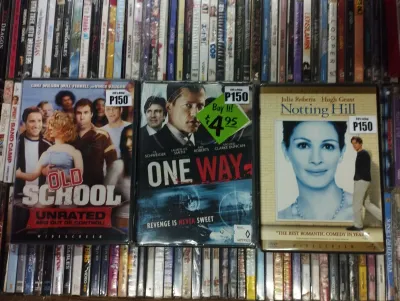
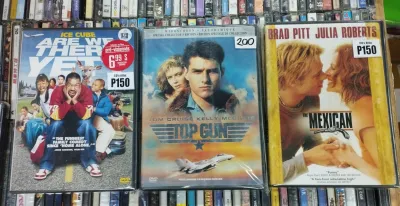


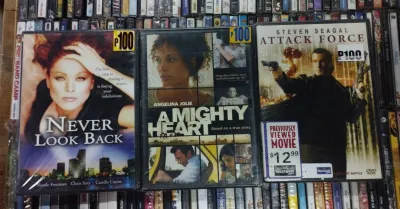
Prices are valid at publication and may change. Please refer to the product page for the latest price.
These bootleg copies carry significant trade-offs that compromise the viewing experience. Pirated DVDs are typically produced using cheap recordable media and compressed digital files, resulting in poor audiovisual quality and pixelated images. Furthermore, the tropical climate of the Philippines, characterized by high humidity and ambient heat, poses a severe threat to low-grade recordable discs. The organic dye layers used in counterfeit DVD-Rs degrade rapidly under these conditions, leading to “disc rot” and rendering the media unplayable within a few years, whereas professionally pressed original DVDs utilize stable metallic layers designed to last.
Key Differences Between Original and Fake Hollywood DVDs
Distinguishing a genuine Hollywood release from a sophisticated bootleg requires looking beyond the front cover. By systematically evaluating the packaging, the physical disc structure, and the on-screen software behavior, you can confidently verify the legitimacy of any movie before adding it to your collection.

Packaging and Print Quality
The exterior packaging is your first line of defense. Original studio releases feature high-resolution, professional cover art printed on high-quality paper stock with sharp text and vibrant, accurate colors. In contrast, counterfeit covers are often printed on cheap, thin paper using standard home inkjet printers, resulting in blurry images, pixelated text, and noticeable color bleeding. Carefully read the synopsis and credits on the back cover; bootlegs frequently contain spelling mistakes, grammatical errors, or mismatched font styles.
Legitimate packaging also displays official studio logos, detailed copyright notices, and local classification board rating stickers. The plastic case itself should feel sturdy and rigid, with a secure center hub that holds the disc firmly in place without bending it. Original cases often feature brand names molded into the plastic, such as Amaray or Scanavo, and include a dedicated spine insert rather than a loose paper slip shoved behind a flimsy plastic sleeve.
Disc Surface and Hub Codes
Examining the physical disc is the most reliable way to confirm authenticity. Turn the disc over and look at the data side under a bright light. An original, factory-pressed DVD features a perfectly smooth, uniform silver or gold reflective surface, which is created using industrial injection molding. Counterfeit DVDs almost always use recordable media (DVD-R or DVD+R), which has a distinct purple, blue, or greenish tint on the data side, along with a visible “burn ring” indicating where the data ends.
Next, inspect the clear inner ring, or hub, of the disc. Genuine DVDs feature a molded Source Identification Code, commonly known as an IFPI code, which identifies the specific pressing plant where the disc was manufactured. This code is extremely small and requires close inspection or a magnifying glass to read. You should also look for official studio branding, copyright text, and matrix numbers cleanly etched into the mirror band near the center hole, details that are absent on generic recordable discs.
Region Codes and Menu Navigation
Hollywood studios use region coding to control the distribution of their films across different global markets. Original DVDs intended for the local market typically feature Region 3 (Southeast Asia) or Region All coding on the packaging, which must match the actual digital encoding on the disc. If a disc labeled Region 3 plays effortlessly on a player locked to Region 1 without any modification, it is highly likely a region-free counterfeit copy.
Once you insert the disc into your player, pay close attention to the loading sequence and menu navigation. Original DVDs feature interactive, high-definition menus with motion video, background music, and functional submenus for scene selection, audio setup, and special features. Fake DVDs often bypass menus entirely, booting directly into the movie, or they utilize crude, static image menus with non-functional buttons and missing bonus content.
Step-by-Step Verification Checklist Before You Buy
To protect your investment, follow this practical verification checklist when shopping for Hollywood DVDs in person or evaluating listings on online marketplaces.
Step 1: Examine the outer shrink wrap. Original DVDs are sealed using a neat, machine-folded Y-fold wrap, which features clean, folded corners similar to a wrapped gift. Counterfeit copies are usually sealed in loose, crinkly plastic bags that have been crudely melted together at the edges using a hand-held heat sealer.
Step 2: Open the case and check the contents. A genuine release often includes a high-quality printed booklet, chapter index card, or promotional inserts on thick paper. If the case contains only a bare disc with no inserts, or if the printed disc art looks like a paper sticker glued to the top surface, the item is a counterfeit.
Step 3: Inspect the disc’s inner ring under direct light. Look for the tiny, laser-etched IFPI numbers on the inner hub. If the hub is completely blank or contains only generic text like “DVD-R” or “940 MB,” the disc is a bootleg.
Step 4: When purchasing from online sellers, request detailed photos before paying. Ask the seller to provide clear, close-up images of the disc’s data side, the inner hub codes, and the back cover’s copyright text. If the seller refuses, uses stock photos, or provides blurry images, avoid the transaction.
Where to Safely Buy Original DVDs in the Philippines
To minimize the risk of purchasing counterfeit media, source your DVDs from reputable retail channels. Established physical bookstores, dedicated music and video specialty shops, and authorized department store electronics sections remain the safest brick-and-mortar options. These retailers source their inventory directly from licensed distributors, ensuring that every title on their shelves is a genuine, legally imported release.
When shopping on online marketplaces, navigate the platforms carefully to avoid unauthorized sellers. Limit your searches to official flagship stores, verified mall merchants, or highly rated independent sellers who specialize in imported physical media and maintain physical storefronts. Look for detailed customer reviews that include photos of the actual product received, paying close attention to any mentions of packaging quality or disc hub codes.
Be highly skeptical of street markets, temporary bazaar stalls, and social media marketplace listings that offer brand-new Hollywood releases at suspiciously low prices, such as ₱50 to ₱150. Authentic imported DVDs generally command higher prices due to licensing, manufacturing, and shipping costs. If a deal seems too good to be true, it is almost certainly a counterfeit copy.
What to Do If You Accidentally Buy a Pirated Copy
If you discover that a DVD you purchased is a counterfeit, take immediate action to secure a refund and hold the seller accountable. Stop using the disc immediately; playing poorly manufactured recordable discs can strain your DVD player’s optical laser, potentially leading to hardware damage over time. Keep all original packaging, receipts, and shipping labels intact, as you will need them to document your claim.
If the purchase was made through an online marketplace, initiate a formal return and refund request under the platform’s buyer protection policy, selecting “counterfeit item” or “not as described” as the reason. Upload clear photos comparing the fake disc’s purple data side or blurry printing with the standards of an original release. Finally, report the seller’s listing to the platform administrators to help remove the counterfeit inventory and protect other buyers from falling victim to the same scheme.
Frequently Asked Questions (FAQ)
Can I play a fake DVD on my standard DVD player?
While many counterfeit DVDs will load and play on standard DVD players, they carry significant risks for your hardware. Poorly manufactured DVD-Rs often have uneven weight distribution or imperfectly centered holes, causing them to wobble at high speeds, which strains the player’s spindle motor. Additionally, the low reflectivity of burned dye layers forces the player’s optical laser to operate at maximum intensity to read the data, accelerating laser wear and potentially causing the player to overheat or freeze mid-movie.
Are cheap DVDs always counterfeit?
Not necessarily, as major film studios occasionally release budget-friendly editions of older catalog titles to appeal to price-sensitive markets. These official budget releases may feature simplified packaging, such as a standard plastic case without an outer slipcover, and omit extensive bonus features to reduce production costs. However, even these budget editions maintain high manufacturing standards, featuring professionally pressed silver discs with clear IFPI codes and high-resolution cover art, distinguishing them from low-quality bootlegs.

Community discussion
Share your experience or ask a question. Comments are reviewed before publication.