
Why Verifying Your ENHYPEN Lightstick Matters
Securing a genuine ENHYPEN lightstick is a rite of passage for every ENGENE preparing for a concert. With the global rise of K-pop, counterfeit merchandise has flooded online marketplaces, making it difficult to distinguish between authentic goods and cheap replicas. Buying a fake lightstick does not just mean losing your money; it directly impacts your concert experience. Genuine lightsticks are engineered with specific internal hardware designed to sync with the venue’s central control system, transforming the crowd into a coordinated sea of colors that matches the performance.
If you bring a counterfeit lightstick to an ENHYPEN concert, it will fail to connect to the official companion app and will not synchronize with the venue’s wireless signals. While everyone else’s lightstick shifts in harmony with the music, yours will remain static, off-color, or completely dark. Furthermore, counterfeit items do not support the artists, as none of the proceeds go to BELIFT LAB. Securing an authentic device ensures you are fully integrated into the live fan experience while directly supporting the group.
Physical Traits of a Genuine ENHYPEN Lightstick
To safeguard your purchase, you must familiarize yourself with the precise physical standards set by the official manufacturer. Genuine ENHYPEN lightsticks are high-quality electronic devices manufactured under strict quality control guidelines, meaning that even minor visual or structural irregularities can expose a fake.
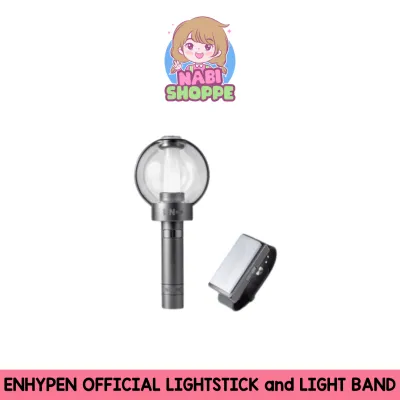
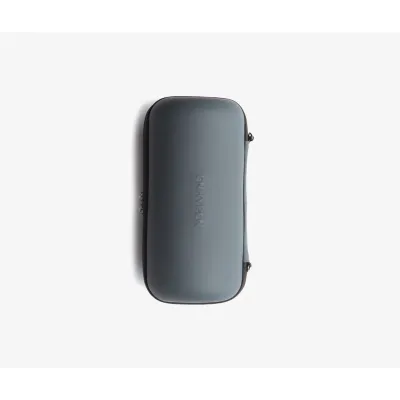
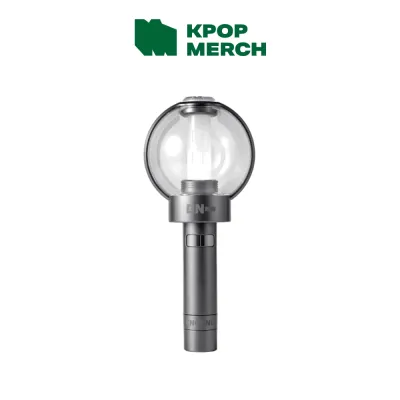
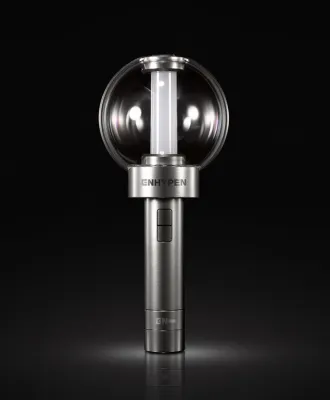
Products mentioned in this guide
![[ON-HAND] ENHYPEN Official Lightstick Keyring Ver.2 – Licensed Keychain Lightstick](https://img.lazcdn.com/g/p/da491188df8c1e576ec9cdde6342e87c.png_400x400q80.png_.webp)
Prices are valid at publication and may change. Please refer to the product page for the latest price.

Packaging, Box Printing, and Accessories
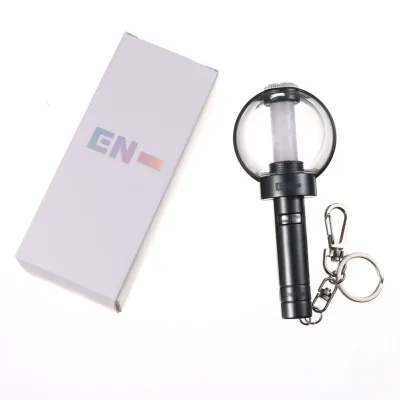
The verification process begins before you even touch the lightstick itself. The official box is constructed from thick, rigid cardboard designed to protect the delicate device during transit. Inspect the exterior printing closely; the typography must be absolutely crisp, with clean edges and perfect alignment of the ENHYPEN logo. Counterfeit packaging often suffers from low-resolution printing, resulting in blurry text, color bleeding, or subtle typos in the English and Korean instructional text.
Inside the package, a genuine lightstick comes with a specific set of accessories, which may vary depending on the edition or release batch. Typically, this includes a high-quality wrist strap, a user manual printed on premium paper, and a set of official photocards. Always cross-reference your package contents with the official unboxing checklist provided by the manufacturer for your specific edition. Any missing items, poorly cut photocards, or a strap made of thin, frayed synthetic material should immediately raise a red flag.
Build Quality, Engravings, and Material Finish
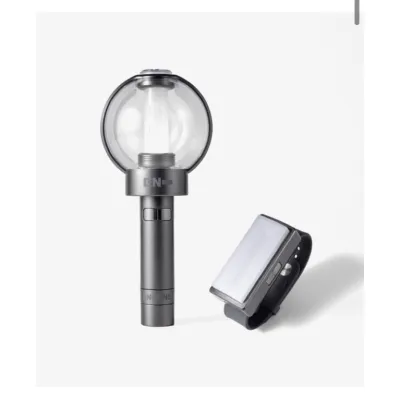
Once you hold the lightstick, pay close attention to its weight and tactile feedback. A genuine ENHYPEN lightstick feels substantial and balanced in your hand, utilizing premium matte-finished plastics on the handle that resist fingerprints. The seams where the plastic panels meet should be flush and virtually seamless, without any sharp edges or visible glue residue.
Examine the clear globe at the top of the handle. The plastic must be crystal clear, without any cloudy patches, scratches, or internal dust particles. Inside the globe, the ENHYPEN logo and structural elements must be perfectly centered and securely mounted. If you gently shake the lightstick and hear rattling, or if the internal components appear tilted, you are likely holding a counterfeit. The engraved logos and text on the handle must also be sharp and deep, demonstrating the precision of professional industrial molds.
Official Security Seals and Holograms
Official K-pop merchandise relies heavily on specialized security stickers to combat counterfeiting. Look for the official KOMCA (Korea Music Copyright Association) sticker or the dedicated HYBE holographic seal on the back or bottom of the outer box. These stickers are not simple printed designs; they are complex holographic seals that feature intricate, multi-layered patterns.
When you tilt the box under a direct light source, the genuine hologram should smoothly shift colors, revealing hidden logos or specific serial numbers that are embedded within the reflective layer. Counterfeiters often attempt to replicate these seals using flat, non-reflective metallic stickers or low-quality prints that do not change color when tilted. If the seal is missing entirely, looks dull, or easily peels off without leaving a secure residue, the product is highly suspect.
Warning Signs of a Counterfeit Lightstick
Recognizing the shortcuts taken by counterfeiters can save you from making a costly mistake, especially when purchasing from secondary markets or peer-to-peer sellers. Because replica manufacturers prioritize low production costs over quality, their products exhibit distinct physical and functional flaws.
Visual Flaws, Misaligned Logos, and Cheap Materials
Counterfeit lightsticks are almost always made from inferior, lightweight plastics that feel cheap and hollow. If you compare the weight of a fake to a genuine unit, the fake will feel noticeably lighter because it uses thinner casing and cheaper internal circuitry. The mold lines along the handle are often rough, raised, or sharp to the touch, indicating a lack of post-mold finishing.
Color discrepancies are another major giveaway. The plastic colors on a fake may appear slightly off-color—either too dark, too light, or yellowed—compared to the sleek, dark aesthetic of the genuine ENHYPEN design. The logos printed on the handle may use the wrong font weight, appear slightly crooked, or have uneven spacing between the letters. Additionally, the cardboard insert inside the box that holds the lightstick in place is often flimsy or replaced with cheap plastic trays in counterfeit versions.
Bluetooth Failures and App Pairing Errors
The most definitive proof of a counterfeit lightstick lies in its internal electronic components. Authentic lightsticks contain proprietary Bluetooth chips designed to communicate securely with the official ENHYPEN companion application. Counterfeiters rarely invest in these specialized chips, opting instead for generic Bluetooth transmitters or omitting wireless capability entirely.
When you attempt to pair a fake lightstick with the official app, it will typically fail to enter pairing mode or will not be recognized by your smartphone. Even if a highly sophisticated fake manages a basic Bluetooth handshake, it will fail to receive official firmware updates or sync with the live concert signals. Furthermore, cheap internal wiring in counterfeits often leads to rapid battery drain, flickering or dim LEDs, and a complete failure to display the correct range of custom colors. If your lightstick only functions as a basic, single-color flashlight and cannot connect to the app, it is a counterfeit.
How to Test and Verify Authenticity
If you have already purchased a lightstick and want to confirm its legitimacy before heading to a concert, you can perform two primary verification tests. These steps utilize the manufacturer’s built-in security features to provide an absolute answer.
Checking the Security Sticker and Verification Code
Most modern HYBE and BELIFT LAB merchandise features a security sticker with a scannable QR code or a scratch-off area revealing a unique alphanumeric verification code. To test this, locate the sticker on your lightstick’s packaging and carefully scratch off the protective coating if present, or scan the QR code using your smartphone’s camera.
This code must be entered into the official verification portal or dedicated app specified in your user manual (such as the Weverse Shop app or a designated authenticity verification app). A genuine code will register successfully and confirm the product’s authenticity. If the system flags the code as “already registered,” “invalid,” or if the QR code redirects you to a suspicious, non-official website, your lightstick is counterfeit.
Pairing with the Official Companion App
The digital handshake test is the most reliable way to verify the internal electronics of your lightstick. Download the official ENHYPEN Light Stick application from the authorized Google Play Store or Apple App Store. Insert three fresh, high-quality AAA batteries into the lightstick’s battery compartment, ensuring correct polarity. Note that in the tropical climate of the Philippines, high humidity can accelerate battery corrosion and leakage; always remove the batteries when storing your lightstick to prevent damaging the internal circuits.
Turn on the lightstick and hold down the power button to activate Bluetooth pairing mode, which is usually indicated by a blue flashing light. Open the app on your smartphone and initiate the pairing sequence. A genuine lightstick will quickly connect, display its official model name, and prompt you to download any available firmware updates. Once connected, use the app’s self-mode to cycle through different colors and adjust the brightness; a genuine unit will respond instantly and display vibrant, accurate hues.
Where to Buy Safely and Evaluate Online Sellers
The safest way to avoid counterfeit merchandise is to buy exclusively from official channels. Purchasing directly from the Weverse Shop, authorized physical pop-up stores, or official retail partners guarantees that you receive a genuine, concert-ready product.
If you must purchase from a third-party seller on an e-commerce platform or online marketplace, you must exercise extreme caution. Start by thoroughly evaluating the seller’s profile. Look for high ratings, a long history of positive transactions, and official “authenticity guarantee” badges if the platform offers them. Read the customer reviews carefully, paying close attention to those that include user-uploaded photos and videos of the unboxing process.
Be highly skeptical of listings offering significant discounts on “brand new, sealed” lightsticks. An authentic ENHYPEN lightstick has a standard retail value, and any listing priced significantly lower (for example, around ₱1,000 or less when official prices are much higher) is almost certainly a counterfeit. Additionally, avoid buying from unverified sellers on social media platforms who refuse to provide real-time video proof of the product, its packaging, and its working Bluetooth connection.
Steps to Take If You Receive a Fake Lightstick
If you discover that the lightstick you received is a counterfeit, acting quickly is crucial to securing a refund and holding the dishonest seller accountable. First, ensure you document the entire unboxing and testing process. Take clear, high-resolution photos of the packaging, the security seals, the physical defects, and the screen showing the failed app connection.
Immediately open a dispute or contact customer support on the e-commerce platform where you made the purchase. Present your documented evidence clearly, emphasizing that the item is a counterfeit and does not match the description of an authentic product. Most major online marketplaces have strict policies against counterfeit goods and will facilitate a return and refund if you provide sufficient proof.
If the seller is uncooperative or if the platform fails to resolve the issue, you can escalate the matter. In the Philippines, you can file a formal complaint with the Department of Trade and Industry (DTI) or other local consumer protection agencies for consumer fraud and the sale of counterfeit merchandise. Reporting the seller’s listing also helps protect other fans in the community from falling victim to the same scam.
Frequently Asked Questions (FAQ)
Can a counterfeit lightstick connect to the official concert app?
No, counterfeit lightsticks cannot fully authenticate with the official concert application. While some highly advanced replicas might mimic basic Bluetooth signals to trick your phone’s default Bluetooth menu, they lack the proprietary hardware and security certificates required to register with the official server. Consequently, they will fail to receive firmware updates and will not synchronize with the centralized wireless controls at live venues.
Is it safe to buy an ENHYPEN lightstick from third-party online marketplaces?
Buying from independent third-party sellers on general online marketplaces carries a very high risk of receiving counterfeit merchandise. While some legitimate resellers operate on these platforms, many listings are for cheap replicas. To minimize risk, only buy from sellers with verified authenticity badges, excellent long-term ratings, and extensive positive reviews containing real-time photos of the product’s packaging and functional app pairing.
Community discussion
Share your experience or ask a question. Comments are reviewed before publication.