
Verifying the authenticity of your ENHYPEN album is a crucial step for any dedicated collector looking to protect their investment and support the artists. As the global popularity of the seven-member group continues to soar, counterfeit merchandise has increasingly flooded secondary markets and unverified online marketplaces. Determining whether an album is genuine requires a careful, multi-step inspection of its physical packaging, print quality, internal inclusions, and official security labels. Because counterfeiters have grown highly adept at mimicking outer designs, relying on a single feature is no longer sufficient to guarantee authenticity. Instead, collectors must employ a holistic approach, cross-referencing multiple structural and visual markers to confirm that their copy is an official release from BELIFT LAB.
Why Checking ENHYPEN Album Authenticity Matters
The rise of counterfeit K-Pop merchandise in secondary markets and unverified online marketplaces poses a significant challenge for fans worldwide. In the Philippines, where the local K-Pop community is exceptionally active, collectors frequently turn to social media buy-and-sell groups, local bidding wars, and third-party online merchants to secure out-of-print or discounted albums. While these secondary channels offer convenience, they also expose buyers to the risk of acquiring unauthorized reproductions. Counterfeiters exploit the high demand for ENHYPEN’s music by producing lookalike products that closely mimic official aesthetics but fail to deliver the same physical standards.
Purchasing a counterfeit album carries several negative consequences that impact both the individual collector and the artists themselves. From a financial perspective, buyers pay premium prices—often equivalent to standard retail rates of ₱900 to ₱1,500 PHP—for low-quality materials that quickly degrade, warp, or discolor. More importantly, counterfeit sales do not contribute to ENHYPEN’s official revenue or music chart tracking. Official album sales registered through authorized retailers feed directly into prestigious music charts such as the Hanteo Chart and Circle Chart, which are vital for securing music show wins and year-end awards for the group. By accidentally buying a fake, collectors miss the opportunity to support the group’s career milestones.
Products mentioned in this guide
![[ONHAND] ENHYPEN THE SIN: VANISH REGULAR VERSION (UNSEALED)](https://img.lazcdn.com/g/ff/kf/S879fe66de3984ab49dacef33de7464f6w.jpg_400x400q80.jpg_.webp)

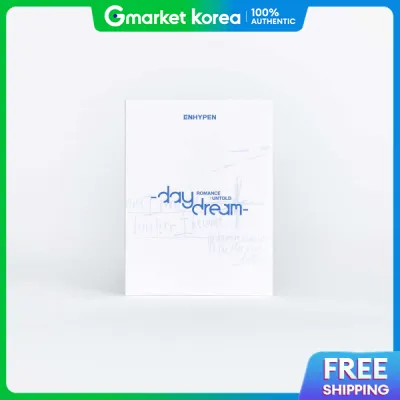
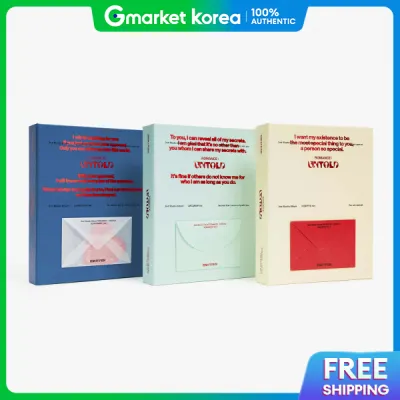
![ENHYPEN - 8th Mini Album [ THE SIN : BLISS ] Weverse Albums ver. (+shop gift)](https://img.lazcdn.com/g/ff/kf/Sc519041228e5479db01aae27369f23f4T.jpg_400x400q80.jpg_.webp)
![[ONHAND] ENHYPEN - ROMANCE: UNTOLD OFFICIAL SEALED ALBUM POB PC | Inceptio Arcanum Concessio Version](https://img.lazcdn.com/g/p/067360b3f979942bc8e35c79bf021d8b.jpg_400x400q80.jpg_.webp)
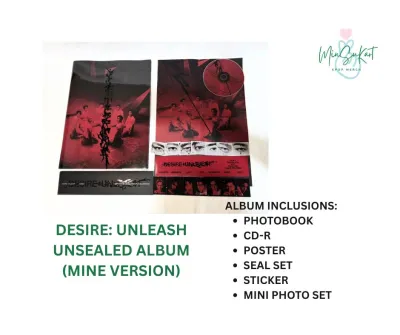
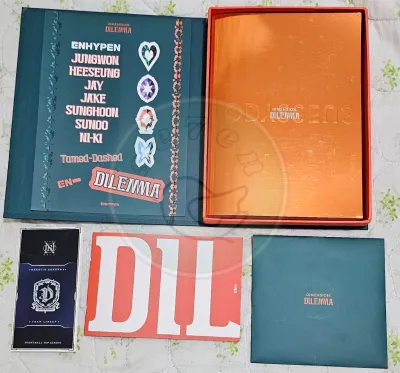
Prices are valid at publication and may change. Please refer to the product page for the latest price.
Furthermore, authenticating an album requires a comprehensive understanding of various physical and digital markers. There is no single “silver bullet” test that can instantly verify a product, as counterfeiters can easily replicate basic elements like barcodes or outer cover art. A true verification process involves examining the tactile feel of the paper, the precision of the photocard cuts, the presence of specific holographic security stickers, and the manufacturing codes embedded in the CD itself. Understanding these distinct details empowers collectors to make informed decisions and maintain the integrity of their collections.
Physical Markers of a Genuine ENHYPEN Album
To systematically verify your ENHYPEN album, you must examine the physical characteristics of the item starting from the outermost layer and working your way inward. Official production facilities adhere to strict quality control standards, resulting in consistent materials, precise dimensions, and high-quality finishes that counterfeiters struggle to replicate affordably.

Outer Packaging and Shrink Wrap
The initial inspection begins with the outer plastic wrap and any external labeling. Official ENHYPEN albums are sealed in high-grade, tight-fitting shrink wrap that features neat, clean heat-press seams, typically located along the sides or back of the box. This wrap should feel firm and smooth, rather than loose, crinkly, or excessively thick.
Pay close attention to any tracklist stickers, promotional hype stickers, or parental advisory labels affixed to the outside of the packaging. On genuine albums, these stickers exhibit razor-sharp text, accurate color alignment, and strong adhesive that prevents the corners from peeling prematurely. Counterfeit versions often feature poorly aligned stickers with blurry fonts, faded colors, or adhesive that leaves a messy, sticky residue when touched.
Photobook Quality and Binding
Once the outer wrap is removed, the photobook serves as one of the most reliable indicators of authenticity due to the high cost of quality printing. Official photobooks utilize heavy, premium paper stock that feels substantial between your fingers, offering a distinct weight and a smooth, consistent finish—whether matte, semi-gloss, or high-gloss—depending on the specific album concept.
Examine the binding of the photobook closely by opening it to various pages. Genuine albums feature professional binding, utilizing high-quality adhesives or precise stitching that allows the book to open smoothly without cracking, splitting, or dropping pages. In contrast, counterfeit photobooks often use cheap hot-glue binding that emits a strong, unpleasant chemical odor of industrial adhesives and low-grade inks, which is a major red flag.
Photocards and CD Inspection
Photocards are the most highly prized and frequently counterfeited inclusions in any ENHYPEN album, making their inspection paramount. Official photocards are produced using precise die-cutting machinery, resulting in perfectly rounded corners and smooth, clean edges without any rough plastic burrs. On many genuine photocard borders, you can spot tiny, almost imperceptible manufacturing tabs or “nubs” where the card was detached from the printing sheet. The printing on both sides of an official card must be incredibly sharp, with rich color depth and no signs of pixelation or halftone dot patterns under close inspection.
The CD itself contains technical markers that are incredibly difficult for counterfeiters to replicate. Inspect the inner ring of the disc, known as the matrix or mirror band, for standard IFPI (International Federation of the Phonographic Industry) codes. Genuine CDs feature laser-etched matrix numbers, mastering codes, and mold codes that identify the licensed pressing plant. The printing on the face of the CD should be perfectly centered, with clean hub text and no bubbling, peeling, or uneven color application.
Red Flags: How to Identify a Counterfeit Album
Recognizing the common manufacturing flaws and physical shortcuts taken by counterfeiters can help you quickly identify a fake album before or after purchase. Because unauthorized manufacturers operate on low budgets, they inevitably leave behind visual and structural clues of their work.
Printing Flaws and Color Discrepancies
Low-resolution printing is the most common giveaway of an unauthorized reproduction. When counterfeiters scan official album artwork to print their own copies, the scanning process introduces a loss of detail that manifests as visible halftone dots, blurry small text, and jagged edges on logos or fine lines. If you notice that the text on the spine of the album or the copyright credits on the back cover looks slightly fuzzy or difficult to read, the album is highly likely to be a counterfeit.
Color discrepancies are equally telling when comparing a suspected album to a known genuine copy or official promotional images. Counterfeit printing often suffers from poor color calibration, resulting in washed-out images, overly saturated skin tones that look unnaturally orange or red, or incorrect background hues. For example, a background that should be a deep, rich navy blue might appear as a faded royal blue or a dull grayish-blue on a counterfeit sleeve.
Material and Structural Differences
The structural integrity of the outer box or sleeve is another area where counterfeiters cut corners. Official ENHYPEN albums are housed in sturdy, thick cardboard outboxes designed to protect the contents and maintain their shape on a shelf. Counterfeit albums frequently utilize thinner, flimsier cardboard that easily creases, dents, or warps under light pressure.
Dimensional discrepancies can also reveal a fake. Counterfeiters often fail to match the exact millimeter measurements of the original packaging, resulting in an album that is slightly taller, shorter, wider, or narrower than an official copy. These minor variations can prevent the album or its internal components from fitting properly into standard protective sleeves, storage binders, or display shelves. Additionally, internal inserts such as posters, lyric booklets, and postcards in fake albums often feel unusually thin, overly glossy, or rough to the touch compared to the premium, textured papers used by official manufacturers.
Verification Tools and Official Tracking Stickers
Official K-Pop albums utilize specialized security labels and tracking systems to combat piracy and verify sales for music charts. Understanding how to locate and verify these markers is a powerful tool in your authentication toolkit.
The most prominent security feature on any official ENHYPEN album is the KOMCA (Korea Music Copyright Association) sticker, typically located on the back of the packaging. Over the years, these stickers have evolved from gold reflective designs to silver and white holographic labels featuring intricate patterns and embedded security text. When tilted under a light source, a genuine KOMCA sticker should display a clear, sharp holographic shift, often revealing the KOMCA logo or specific Korean characters. Counterfeit stickers are often flat, poorly printed metallic decals that do not show a true holographic transition, or they may feature blurry, off-center logos.
In addition to the KOMCA sticker, many modern ENHYPEN releases include official tracking stickers or QR codes linked to music charts like the Hanteo Chart or the Circle Chart. These stickers can be scanned using official mobile applications to register the album sale and verify its legitimacy. However, a critical safety warning must be kept in mind: authentication stickers and QR codes can sometimes be carefully peeled off genuine albums and reapplied to fakes, or counterfeiters may generate fake QR codes that link to fraudulent, lookalike websites. Therefore, a successful sticker scan or QR verification must always be combined with the physical and material inspections outlined in this guide. Never rely solely on a sticker scan if the physical quality of the photobook or photocards feels substandard.
When scanning any QR codes found inside the album—such as Weverse Shop survey cards or digital media links—always ensure you are performing the action in a secure network environment. Verify that the browser redirects you to an official, secure domain (such as “weverseshop.io” or an official global artist site) rather than a suspicious, unencrypted URL. Official QR cards will feature high-quality printing, rounded corners, and clear instructions in multiple languages, including Korean, English, and Japanese.
Safe Purchasing Channels for Authentic Albums
The most effective way to avoid the headache of authenticating a suspected counterfeit is to purchase your ENHYPEN albums exclusively through secure, authorized retail channels. While tempting deals can be found across various online marketplaces, sticking to verified sources guarantees that your money supports the group directly.
To ensure absolute authenticity, always prioritize purchasing directly from official channels such as the Weverse Shop, the official global store managed by HYBE, or authorized retail partners. In the Philippines, several established local K-Pop specialty shops maintain direct distribution agreements with Korean suppliers, ensuring that every album imported is 100% genuine and correctly counted toward the Hanteo and Circle charts. These reputable local stores often provide clear batch tracking and official receipts, giving you peace of mind with every purchase.
If you must purchase from third-party sellers on general e-commerce platforms, social media marketplaces, or second-hand forums, exercise extreme caution. Evaluate the seller’s credibility by thoroughly checking their historical user reviews, looking for consistent positive feedback specifically mentioning album authenticity and packaging quality. Before committing to a transaction, ask the seller to provide a clear, unedited video of the actual album, including close-ups of the KOMCA sticker and the photocard edges, with a physical piece of paper displaying their username and the current date written next to the item. If a seller refuses to provide these details, offers a brand-new sealed album for an unrealistically low price (such as under ₱500 PHP), or pressures you into making a quick payment, it is best to walk away.
Steps to Take If You Receive a Suspected Fake
If you have completed your inspection and strongly suspect that the ENHYPEN album you received is a counterfeit, taking immediate, organized action is essential to secure a refund and hold the seller accountable.
First, document the entire item immediately by taking high-resolution, well-lit photographs and videos. Capture clear close-ups of the specific flaws you identified, such as blurry text, low-quality photocard cuts, color discrepancies, or a flat, non-holographic KOMCA sticker. If you filmed a continuous, unedited unboxing video starting from the sealed shipping package—a highly recommended practice within the K-Pop community—this video will serve as your strongest piece of evidence during the dispute process.
Next, contact the seller or the customer support team of the e-commerce platform where you made the purchase. Initiate a formal return or dispute request, selecting “counterfeit item” or “item not as described” as the primary reason. Provide your detailed photographic and video evidence, along with a clear, polite explanation of why the item is fake, referencing the specific physical discrepancies compared to official manufacturing standards.
Finally, ensure that you do not discard any of the packaging materials, shipping labels, or internal inclusions until the dispute is fully resolved and your refund has been processed. E-commerce platforms or payment processors may require you to return the item or provide additional photos of the shipping label to verify the sender’s details. Keep all communication with the seller within the official platform’s messaging system to maintain a verifiable record for the dispute mediators.
Frequently Asked Questions (FAQ)
Can a barcode scan prove an ENHYPEN album is real?
No, a barcode scan alone cannot prove that an ENHYPEN album is authentic. While scanning a barcode with a mobile app will typically pull up the correct album information from global retail databases, this is because barcodes are simple graphic patterns that counterfeiters can easily copy, print, and apply to fake packaging. A counterfeit album will almost always feature an exact replica of the official barcode, meaning you must rely on physical markers, print quality, and holographic security stickers to determine true authenticity.
Do counterfeit albums count toward official music charts?
No, counterfeit albums do not count toward official music charts like the Hanteo Chart or Circle Chart. These charts only track sales data compiled directly from authorized and verified retail partners who maintain official reporting systems. Because counterfeit albums are produced and sold by unauthorized third parties through unofficial channels, these transactions are completely invisible to the music charts, meaning they do not contribute to ENHYPEN’s official sales milestones, award nominations, or music show rankings.
Community discussion
Share your experience or ask a question. Comments are reviewed before publication.