
To determine if an ENHYPEN album is authentic, you must inspect the holographic security sticker on the back, verify the paper weight and print quality of the photobook, check the precision of the photocard cuts, and validate any included QR codes using the official Weverse Shop or Weverse Albums app. Counterfeit albums frequently exhibit loose or poorly heat-sealed shrink wrap, blurry or color-distorted graphics, thin paper stock, and non-functional QR codes. By systematically checking these physical and digital markers, you can protect your collection from high-grade replicas.
Why Counterfeit K-Pop Albums Are a Growing Concern
With ENHYPEN’s massive global popularity, the demand for their physical releases—ranging from older eras like Border: Day One to recent comebacks—remains exceptionally high. Unauthorized manufacturers and sellers on various online marketplaces exploit this demand by producing and distributing counterfeit merchandise. For fans, inadvertently purchasing a fake album is a frustrating experience that deprives them of high-quality collectibles and official inclusions like limited-edition photocards, posters, and stickers.
Furthermore, counterfeit albums do not contribute to official South Korean music charts, such as the Hanteo Chart and Circle Chart. When fans purchase fake albums, their money is diverted away from supporting the artists’ official sales figures, directly impacting ENHYPEN’s performance on music shows and year-end award nominations. As printing technologies advance, counterfeiters are producing more convincing replicas, making a detailed physical and digital inspection essential for buyers navigating the local market.
Products mentioned in this guide
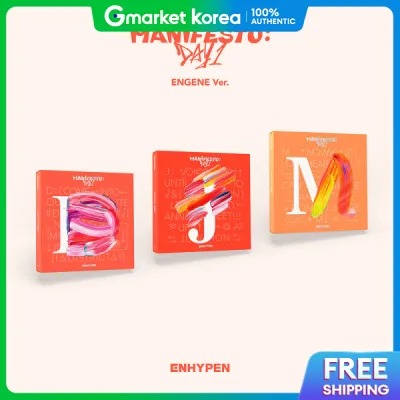
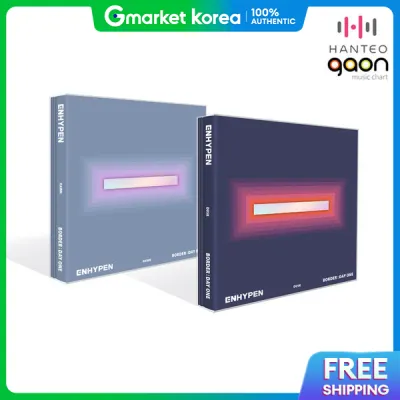

![[ONHAND] ENHYPEN THE SIN: VANISH REGULAR VERSION (UNSEALED)](https://img.lazcdn.com/g/ff/kf/S879fe66de3984ab49dacef33de7464f6w.jpg_400x400q80.jpg_.webp)
![ENHYPEN - 8th Mini Album [ THE SIN : BLISS ] Weverse Albums ver. (+shop gift)](https://img.lazcdn.com/g/ff/kf/Sc519041228e5479db01aae27369f23f4T.jpg_400x400q80.jpg_.webp)
![NCAT ENHYPEN: DARK BLOOD [ENGENE VER.]](https://img.lazcdn.com/g/p/027dc3b502f0f901d0319160c2d7b18c.jpg_400x400q80.jpg_.webp)
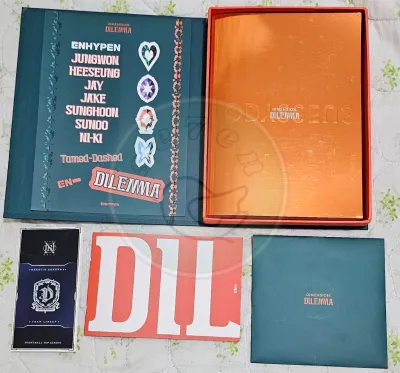

Prices are valid at publication and may change. Please refer to the product page for the latest price.
Key Differences: Authentic vs. Fake ENHYPEN Albums
Distinguishing a genuine ENHYPEN album from a high-grade replica requires a close, hands-on inspection of its physical components. While minor manufacturing variations can occasionally occur in official factory runs, a combination of several physical anomalies is a strong indicator of a counterfeit product. When your package arrives, take your time to examine the exterior packaging, the paper stock, and the printing details before opening or discarding any materials.

Outer Packaging and Shrink Wrap
The first line of defense is the exterior presentation of the album. Authentic ENHYPEN albums are wrapped in a tight, clean, professional shrink wrap with neat, barely visible heat-sealed seams. Counterfeit versions often feature loose, wrinkled, or excessively thick plastic wrap that feels brittle or has messy, uneven melted edges from low-quality heat sealers.
Turn the album over to inspect the official security sticker. Genuine HYBE music releases feature a specialized holographic sticker—often a KOMCA (Korea Music Copyright Association) sticker or a customized HYBE/Weverse security seal, depending on the specific album version and release year. When tilted under a light source, this sticker should exhibit a distinct, smooth color shift, clear, sharp micro-text, and a reflective pattern. Replicas frequently use flat, low-quality printed stickers that do not reflect light properly, lack the intricate, clean-cut borders of official seals, or display a dull, static image.
Additionally, evaluate the structural integrity of the outer box or sleeve. Official albums use sturdy, premium-grade cardboard designed to protect the inner contents from wear and tear. Fake albums often utilize thinner, cheaper cardboard that dents easily during transit and displays dull, muddy color reproduction instead of vibrant, high-definition graphics. In the humid climate of the Philippines, cheap counterfeit cardboard is also much more prone to warping and absorbing moisture than the robust materials used in official pressings.
Photobook Quality, Printing, and Binding
Open the album to assess the photobook, which is often the most expensive component to replicate accurately. Authentic photobooks use heavy, high-grade paper stock with a specific texture—whether matte, semi-gloss, or coated—consistent with the album’s official specifications. Counterfeits typically resort to thinner, lightweight paper that feels flimsy and allows images to bleed through to the reverse side.
Examine the image sharpness and color fidelity of the pages. Genuine printing features crisp details, accurate skin tones, and deep contrast. In contrast, pirated copies often look slightly pixelated, washed out, or overly dark, as they are usually printed from scanned files rather than original digital assets. You might also notice a strong, unpleasant chemical smell from cheap industrial inks, whereas official albums have a standard, neutral paper scent.
Pay close attention to the binding. Authentic photobooks are bound securely with high-quality adhesive or stitching that allows the book to be opened relatively flat without pages falling out. Replicas often have misaligned pages, uneven margins, or visible glue seepage along the spine that deteriorates rapidly under local tropical heat. Finally, check the copyright page at the back: look for typos, incorrect spacing, or missing distributor credits such as Dreamus or YG PLUS.
Inclusions: Photocards, Posters, and Stickers
Photocards are highly sought-after collectibles and the primary target for counterfeiters. To verify an ENHYPEN photocard, check the thickness and the corner cuts. Official cards are printed on thick, durable cardstock with perfectly rounded, smooth corners. Fake photocards are often thinner, bend easily, and may have rough, uneven edges or tiny paper tabs left over from poor machine cutting.
Look closely at the image cropping and back designs. Because counterfeiters scan official cards to make copies, the resulting replicas often have slightly zoomed-in or cropped images, resulting in lost details near the borders. The text and logos on the back of the card may also appear blurry, misaligned, or printed in the wrong font. Additionally, official photocard production sheets leave tiny, subtle circular bumps (cut marks) on the very edges of the cards; the complete absence of these marks on a card that should have them is a common red flag.
Official stickers should feature precise die-cut shapes that peel away cleanly, with vibrant colors that match the album’s concept. Posters, if included, are printed on high-quality paper and folded in a precise, machine-standard pattern or rolled neatly in a protective tube. Counterfeit posters often feel like cheap copy paper, display visible folding creases that tear easily, and suffer from blurry, low-resolution imagery.
Official Verification Methods and Chart Tracking
Digital authentication provides concrete proof of an album’s legitimacy. Many official ENHYPEN albums include a Weverse Track card or a QR code card. To verify these, download the official Weverse Shop or Weverse Albums app on your mobile device. Scan the QR code through the app’s dedicated scanner rather than a generic smartphone camera app. An authentic code will register successfully, link to your account, and unlock digital content or surveys. If the QR code is invalid, has already been redeemed on an unsealed “new” album, or directs you to a generic, non-secure web link, the product is highly suspect.
To ensure your purchase supports ENHYPEN on major South Korean music charts, look for verification marks tied to Hanteo Chart and Circle Chart. Reputable sellers provide a Hanteo family card or a tracking code that registers your purchase directly to the charts. While some regional editions or specific promotional bundles might not include a physical Hanteo sticker, buying from an officially affiliated store guarantees your purchase is counted.
Avoid relying on third-party, non-endorsed “authenticity apps” or basic barcode scanners. Counterfeiters can easily copy a static barcode from a genuine album sleeve and print it onto thousands of fakes. A standard barcode scanner will simply read the printed numbers and identify the product name, but it cannot verify if the physical item in your hand is genuine. Always cross-reference the exact inclusions of your specific version (such as the number of photocards, specific concept books, or limited-edition items) with the official release details posted on ENHYPEN’s official Weverse community or social media channels.
Where to Buy Authentic ENHYPEN Merchandise
The most reliable way to avoid counterfeit merchandise is to purchase directly from authorized retail channels. The official Weverse Shop is the primary global platform for all HYBE artists, offering direct shipping, guaranteed authenticity, and direct integration with chart tracking. For fans in the Philippines, ordering directly from Weverse Shop is highly secure, though international shipping fees and customs processing must be factored into the overall cost.
If you prefer to buy locally to save on shipping, seek out authorized local K-pop specialty stores. Look for retailers that are officially registered Hanteo Family members, as they source their inventory directly from Korean distributors. These stores often display their Hanteo Family Member certificate or ID on their websites or physical storefronts.
When browsing third-party online marketplaces, remain vigilant against common red flags:
- Unrealistically Low Prices: If a sealed ENHYPEN album is listed for ₱300 to ₱500, when the standard retail price generally ranges from ₱900 to ₱1,500, it is almost certainly a counterfeit or a scam.
- Generic Stock Photos: Avoid listings that only use official promotional teasers instead of actual, high-resolution photos of the physical inventory.
- Unverified Seller Profiles: Check the seller's rating, transaction history, and customer reviews. Be cautious of shops with generic names, poor grammar in descriptions, or a high volume of negative feedback complaining about photocard quality.
- Unsealed Albums with Missing Inclusions: While some fans sell unsealed albums safely, ensure the seller has a strong reputation within the local trading community before purchasing.
What to Do If You Suspect You Bought a Fake
If you receive an ENHYPEN album and suspect it is counterfeit, acting quickly is vital to secure a refund and protect other buyers. Always record a continuous, unedited unboxing video from the moment you begin opening the shipping parcel. Ensure the shipping label, tracking number, and all sides of the sealed package are clearly visible before you open it. This video serves as crucial, objective evidence for dispute resolution on major e-commerce platforms.
Immediately contact the seller to raise your concerns, pointing out the specific physical discrepancies such as blurry printing, missing security stickers, or low-quality photocards. If the seller is uncooperative or denies the claim, escalate the issue directly to the e-commerce platform’s customer support team. Submit your unboxing video and detailed comparative photos as proof of receiving a counterfeit item.
Under no circumstances should you attempt to resell a confirmed counterfeit album to other fans, even at a heavily discounted price. Doing so perpetuates the market for fake merchandise and damages your reputation within the local fan community. Instead, report the seller’s listing and shop profile to the platform administrators to help take down the unauthorized store and protect fellow ENGENEs from falling victim to the same scheme.
Frequently Asked Questions (FAQ)
Do all authentic ENHYPEN albums come with a Hanteo sticker?
No, not all authentic ENHYPEN albums feature a physical Hanteo sticker. While albums distributed through authorized Hanteo-affiliated shops are tracked and may include specific verification cards, certain regional editions, promotional copies, or direct distributions might lack a physical sticker. The absence of a sticker alone does not prove an album is fake, but it highlights the importance of checking other physical security features like holographic seals and print quality.
Can I verify an ENHYPEN album using a standard QR scanner?
No, a standard smartphone QR scanner cannot verify authenticity. A generic scanner will only read the plain text or URL embedded in the QR code, which counterfeiters can easily copy and print onto replica cards. True digital verification requires using the official Weverse Shop or Weverse Albums app, which securely validates the unique, encrypted token embedded in the official QR code.
Are second-hand ENHYPEN albums safe to buy?
Second-hand ENHYPEN albums can be perfectly safe and authentic, but they require extra caution. Before purchasing from an individual reseller, ask for clear, close-up photos of the holographic security stickers, the photocard edges, and the copyright page under bright, natural light. Always check the seller’s transaction history, ask for proof of purchase from an authorized store, and use secure payment methods that offer buyer protection.
Community discussion
Share your experience or ask a question. Comments are reviewed before publication.