
Setting up laminated bible tabs for daily Catholic prayer transforms how you interact with Sacred Scripture. By organizing your Bible with durable, easy-to-read dividers, you can transition seamlessly between the daily Mass readings, the Liturgy of the Hours, and personal devotions. A well-planned system ensures that you spend your quiet time in deep, uninterrupted reflection rather than flipping through hundreds of thin pages trying to locate a specific passage.
For Catholic readers, a Bible is not just a book on a shelf; it is a living companion for daily spiritual growth. Whether you are praying the Rosary scripturally, practicing Lectio Divina, or following a liturgical reading plan, having a clear physical map of the texts makes your prayer time more structured and peaceful. Laminated tabs offer a practical, beautiful way to build this map directly into your favorite edition.
Why Choose Laminated Bible Tabs for Daily Catholic Devotion
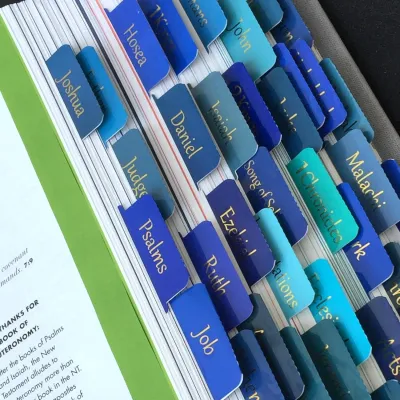
Daily spiritual routines, such as praying the Liturgy of the Hours or engaging in Lectio Divina, require constant page-turning. Over time, the natural oils from your fingers can wear down standard paper or flimsy plastic dividers, leaving them frayed, smudged, or torn. Laminated bible tabs provide a robust barrier against daily wear and tear, ensuring that your book markers remain clean, legible, and intact for years of continuous prayer.
Products mentioned in this guide
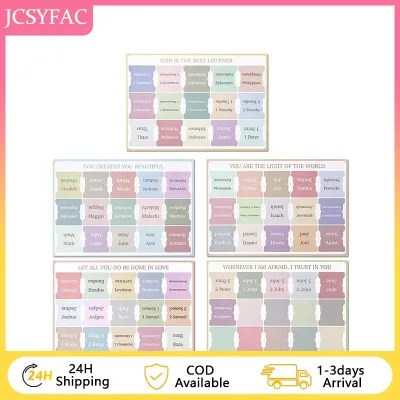
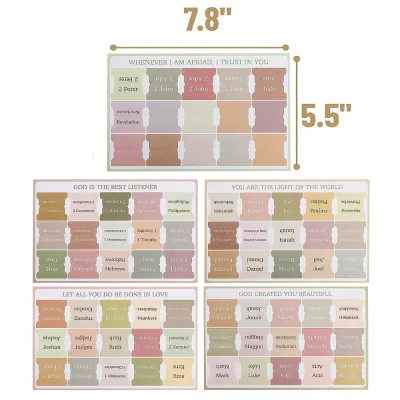
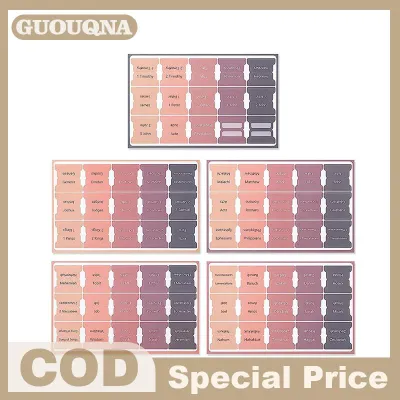
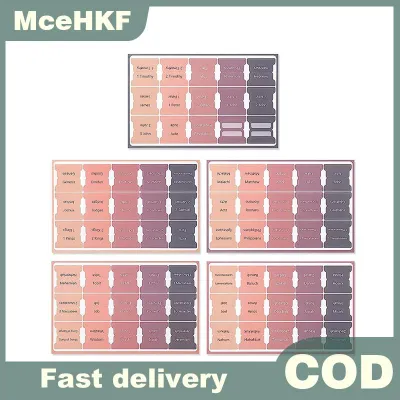
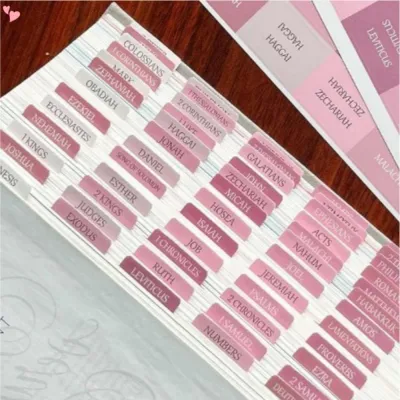
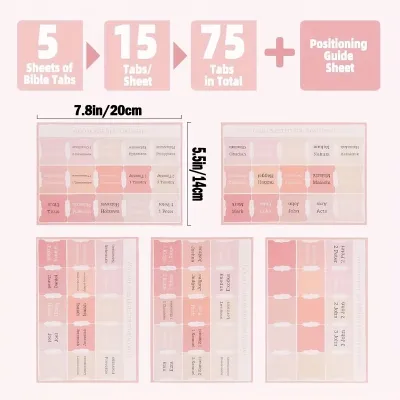
Prices are valid at publication and may change. Please refer to the product page for the latest price.
In tropical climates like the Philippines, high humidity and sudden seasonal changes can cause standard paper tabs to curl, soften, or lose their adhesive grip. Laminated alternatives are highly resistant to moisture, making them an excellent choice for keeping your holy book in pristine condition despite the local climate. They do not absorb sweat or ambient humidity, meaning they will not warp or discolor the edges of your sacred text over time.
Additionally, the rigid nature of laminated tabs serves a practical structural purpose. Bible pages are notoriously thin and delicate, often referred to as onion skin or India paper. When you pull on a laminated tab, the rigidity distributes the pulling force more evenly across the page edge, preventing tears and helping the page lie flat. This makes it incredibly easy to flip directly to your chosen reading during a quiet morning reflection or a busy parish service.
Essential Tools for Your Bible Tabbing Kit
Before beginning your tabbing project, assembling the right tools will prevent mistakes and protect your Bible from permanent damage. Having a dedicated kit prepared ensures that the application process is smooth and stress-free.

- Pre-laminated or Self-laminating Tabs: Look for high-quality, pre-cut tabs that feature a strong, acid-free adhesive. Acid-free adhesive is crucial because standard glue can degrade thin Bible paper over time, causing yellowing or brittleness.
- Writing Instruments: If your tab set requires manual labeling, select a fine-tip permanent marker or an archival pigment pen. Standard gel pens or ballpoints can easily smudge on laminated plastic surfaces or bleed through the delicate pages of your Bible.
- Alignment Guide and Tweezers: Many tab kits include a cardboard alignment guide. Using a pair of tweezers allows you to position each tab precisely without transferring natural oils from your fingertips to the adhesive backing.
- Smoothing Tools: A plastic bone folder or a clean, dry microfiber cloth is invaluable for pressing the adhesive down smoothly, ensuring there are no trapped air bubbles.
Before making any purchase, always verify your Bible’s specific edition, translation, and page thickness. Catholic Bibles contain 73 books, including the Deuterocanonical books such as Tobit, Judith, Wisdom, Sirach, Baruch, and 1 and 2 Maccabees. Many standard Protestant tab sets only include 66 books, so you must verify the completeness of the tab set to ensure it contains labels for all Catholic books. Additionally, check if your Bible’s binding can handle the slight extra bulk of laminated dividers. High-quality tab sets typically range from ₱150 to ₱500 on online marketplaces, making them an affordable investment in your spiritual library.
Designing a Tab Organization System for Catholic Readings
An organized Bible is a powerful aid to spiritual discipline, but rushing into the application process without a plan can lead to a cluttered layout. Designing a personalized indexing system on a separate sheet of paper before peeling off any adhesive backing is highly recommended.
If your laminated bible tabs come in multiple colors, you can establish a color-coding strategy that aligns with Catholic liturgical traditions or theological themes. For example, you might use purple tabs for penitential texts and seasonal readings like Advent and Lent, white or gold for the Gospels, and blue for sections associated with Marian devotions. Alternatively, you can use a single uniform color for a clean, minimalist aesthetic that minimizes visual distraction during prayer.
Mapping out your layout beforehand allows you to determine exactly where each tab will sit along the outer margin of the pages. By calculating the spacing, you can avoid overlapping titles and ensure that every tab remains visible from the side of the book when closed. This preparation stage is the perfect time to decide which books or sections you access most frequently so you can prioritize their visibility.
Categorizing Key Daily Prayers and Devotions
Daily Catholic prayer often incorporates specific devotional structures alongside scripture reading. Creating dedicated markers for these sections can streamline your daily routine and keep your mind focused on prayer rather than navigation.
Consider placing dedicated tabs at the sections of your Bible that support the Holy Rosary, the Divine Mercy Chaplet, the Angelus, or the Stations of the Cross. If your Bible edition includes an appendix with common Catholic prayers, a prominent tab there will save you from searching the back of the book every evening.
If space along the page edge is limited, group related novenas, litanies, or personal prayer lists under a single broader tab labeled “Devotions” or “Novenas.” If the tab design allows, you can write small sub-labels on the inner edge of the tab. Always leave a small amount of space for personal prayer intentions or frequently referenced spiritual writings that may be unique to your specific edition.
Organizing the Psalms and Gospel Passages
The Book of Psalms and the four Gospels form the core of daily liturgical reflection and Lectio Divina. Organizing these sections requires a clear, accessible layout that allows for rapid navigation during your prayer hours.
Start by placing a primary tab at the beginning of the Book of Psalms. Because the Psalms are frequently used for morning and evening prayers, you may want to use secondary, smaller tabs to mark specific penitential psalms (like Psalm 51) or psalms of praise (like Psalm 23 and Psalm 150) that you return to regularly.
Next, place distinct, highly visible tabs at the start of each of the four Gospels: Matthew, Mark, Luke, and John. These are the focal points of the Liturgy of the Word, and having instant access to them is essential for following daily Mass readings. If you are participating in a structured Gospel study or a “Bible in a Year” reading plan, you can use tiny, temporary flags to mark specific parables, miracles, or sermon passages without permanently cluttering your primary laminated tabs.
Step-by-Step Guide to Applying Your Bible Tabs
Applying laminated tabs to delicate Bible paper requires patience, precision, and a steady hand. Taking a slow, methodical approach will prevent misalignments and protect your pages from accidental tears.
Instead of trying to tab the entire Bible in one sitting, work in small batches of five to ten tabs. This keeps your mind focused, prevents physical fatigue, and reduces the likelihood of placing a tab on the wrong page or out of chronological order.
Preparing Your Bible and Workspace
Begin by thoroughly washing and drying your hands to remove any natural skin oils, lotion, or dirt that could stain the pages or weaken the tab adhesive. Clean hands are the first line of defense when working with delicate religious texts.
Set up your workspace on a flat, clean, and hard surface, such as a dining table or desk, under bright, direct lighting. Clear away any food, drinks, or clutter that could cause accidental spills or distractions during the process.
To protect the pages, place a clean sheet of scrap paper directly behind the page you are working on. This acts as a shield, preventing the adhesive from accidentally grabbing adjacent pages and ensuring that any ink from your labeling pen does not bleed through to the next sheet.
Applying and Aligning the Tabs
To maintain a neat appearance, stagger your tabs vertically from top to bottom along the page margin. Most tab kits come with a placement guide that shows you exactly where to position the first, second, and subsequent tabs in a row before starting the next column.
Carefully peel the tab from its backing sheet. Use tweezers to hold the tab by its non-adhesive edge, align it with your placement guide, and gently fold it over the edge of the page. Once you are satisfied with the alignment, use your bone folder or microfiber cloth to press firmly from the center of the tab outward to the edges, securing a clean, bubble-free bond.
A critical safety rule to remember: never place the tabs too close to the inner binding gutter of the Bible. Always align them along the outer vertical edge of the page. Placing tabs near the gutter stresses the spine and binding, which can cause pages to tear or pull away from the glue when the Bible is closed.
Maintaining and Updating Your Tabbed Bible
Once your laminated tabs are securely in place, proper maintenance will ensure your Bible remains a cherished companion for years of spiritual reflection.
Store your Bible in a cool, dry place, ideally inside a breathable fabric or leather Bible cover. Avoid leaving it in direct sunlight or inside a hot car, as extreme heat can melt or weaken the laminated adhesive, causing the tabs to slide or leave sticky residue on your pages. In humid environments, keeping a small silica gel packet inside your Bible cover can help absorb excess moisture and preserve both the paper and the tab adhesive.
If you make a mistake during application or need to reposition a tab, do not pull it off forcefully, as this will tear the thin page. Instead, use a hairdryer set to a low, cool or slightly warm setting, holding it a safe distance away from the page for a few seconds to gently soften the adhesive. Once the adhesive warms up, slowly and carefully peel the tab away at an angle.
As your prayer life evolves, you may want to add temporary markers for specific liturgical seasons like Advent or Lent. Use smaller, removable paper flags for these temporary periods, keeping your primary laminated tabs dedicated to your permanent, daily prayer structure. This keeps your Bible looking clean and functional throughout the liturgical year.
Frequently Asked Questions (FAQ)
Finding the right balance between utility and aesthetics can raise several questions. Here are quick solutions to common concerns when tabbing your Bible.
Can I use laminated tabs on thin Bible pages without tearing them?
Yes, laminated tabs are perfectly safe for thin Bible pages if applied correctly. The key is to avoid placing them on the extreme top or bottom corners of the page, where they are most likely to catch on your Bible cover or clothing and cause a tear. Always apply them along the vertical outer margin, leaving a few millimeters of space at the top and bottom of the page edge.
How do I organize tabs for daily Mass readings and the Liturgy of the Hours?
To keep your Bible clean and uncluttered, avoid trying to tab every single daily Mass reading. Instead, use a separate, smaller set of color-coded tabs or ribbon markers specifically for the major sections of the Liturgy of the Hours (such as Morning Prayer and Evening Prayer) or the current liturgical season. You can also use a single movable ribbon marker to track the rotating daily lectionary cycle while keeping your permanent laminated tabs fixed on the main books of the Bible.
Community discussion
Share your experience or ask a question. Comments are reviewed before publication.