
Deepening your Catholic faith through spiritual reading is a transformative journey that requires a thoughtful approach. For anyone starting to explore the rich heritage of Catholic literature, the sheer volume of available texts can feel overwhelming. The key to a successful start lies in selecting books that match your current spiritual maturity, offer clear and orthodox guidance, and fit seamlessly into your daily routine. By focusing on foundational works that explain core teachings, guide personal prayer, and share the practical lives of the saints, you can build a resilient spiritual foundation.
In the Philippines, where daily life is often vibrant and fast-paced, finding quiet moments for reflection is both a challenge and a necessity. Whether you are reading in a breezy sala during a quiet afternoon, commuting on public transit, or spending time before the Blessed Sacrament in a parish church, the books you choose should serve as practical companions. Selecting the right literature involves verifying ecclesiastical approvals, understanding different genres of spiritual writing, and choosing formats that withstand the local tropical climate. This guide provides a structured framework to help you evaluate, select, and integrate Catholic spiritual books into your life to foster genuine spiritual growth.
Identifying Your Current Stage in Catholic Spirituality
Before purchasing any spiritual book, it is essential to assess where you currently stand on your journey of faith. Catholic literature generally falls into two broad categories: basic catechesis and spiritual theology. Catechesis focuses on the objective doctrines, dogmas, and structural teachings of the Church, helping you understand what Catholics believe and why. Spiritual theology, on the other hand, delves into the subjective experience of prayer, the cultivation of virtues, and the development of an intimate relationship with God. Identifying which area requires more immediate attention prevents the frustration of reading books that do not address your current spiritual needs.
Products mentioned in this guide
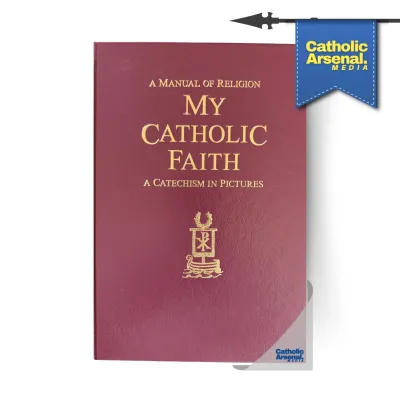
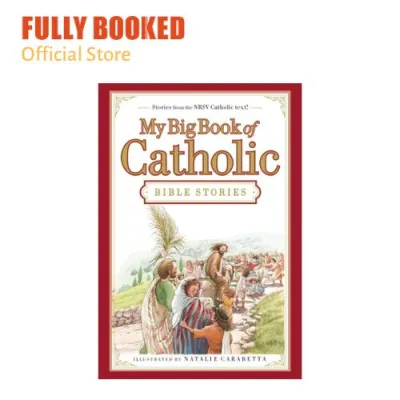


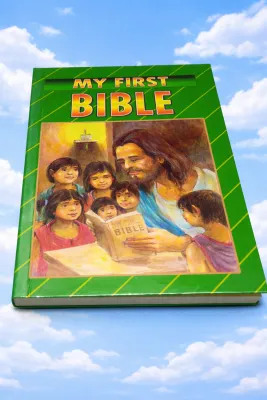
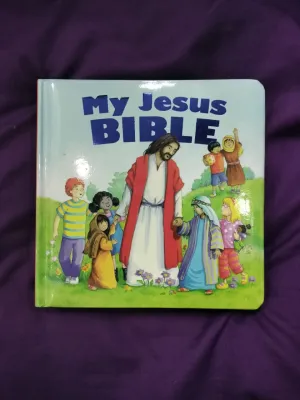
Prices are valid at publication and may change. Please refer to the product page for the latest price.
Your personal learning style also plays a significant role in how effectively you absorb spiritual truths. Some readers thrive on structured, systematic explanations of theology, finding comfort in logical arguments and clear definitions. Others connect more deeply with narrative-driven texts, such as biographies of the saints or personal conversion stories, which demonstrate how the faith is lived out in real-world scenarios. Recognizing whether you prefer analytical study or narrative inspiration allows you to select books that keep you engaged rather than leaving you feeling disconnected.
Navigating this selection process does not have to be a solitary endeavor. Consulting a spiritual director, a parish priest, or a mature mentor in your local parish community can provide invaluable clarity. These guides can listen to your personal struggles, questions, and aspirations, and then recommend specific texts tailored to your unique path. A priest or mentor can also help you avoid common pitfalls, such as attempting to read complex mystical treatises before mastering basic methods of daily mental prayer.
Key Criteria for Evaluating Catholic Spiritual Books
With thousands of titles available in bookstores and online marketplaces, establishing a reliable screening process is crucial for safeguarding your doctrinal understanding. The primary step in evaluating any Catholic book is checking for official ecclesiastical approval markers. The Nihil Obstat, which translates to “nothing hinders,” is an official declaration by a Church censor that the book contains no damage to Catholic faith or morals. This is followed by the Imprimatur, meaning “let it be printed,” which is the formal approval granted by a bishop. These markers, usually found on the copyright page, give beginners confidence that the material aligns with the authentic teachings of the Magisterium.

Beyond official approvals, investigating the author’s background provides essential context regarding the reliability of the text. Prioritizing books written by canonized saints, doctors of the Church, recognized theologians, and approved spiritual writers ensures you are learning from proven sources. While contemporary commentators and bloggers can offer relatable insights, their writings lack the historical testing and rigorous scrutiny applied to classic authors. Beginning with established figures ensures that your spiritual foundation is built on timeless, universally recognized wisdom rather than passing theological trends.
Readability and translation quality are equally important, especially when approaching classic spiritual texts originally written in Latin, Spanish, French, or Italian. Older translations can sometimes feature archaic language that obscures the author’s original intent or makes reading a chore. When selecting a classic work, look for modern translations or annotated editions produced by reputable Catholic publishers. These editions often include helpful introductions, footnotes, and glossaries that explain historical contexts and theological terms, making profound spiritual insights accessible to modern readers.
Building a Condition-Based Reading Shortlist by Theme
To create a balanced reading plan, it is helpful to categorize books by their specific spiritual themes and match them to your current growth objectives. Rather than reading randomly, you can select one book from each of the following key areas to build a well-rounded understanding of the faith.
Foundational Prayer and Devotion
For beginners, the immediate goal is often to establish a consistent, meaningful prayer life. Look for books that offer practical, step-by-step guidance on basic mental prayer, the structure of the Rosary, or the practice of Lectio Divina (divine reading). Avoid texts that dive straight into advanced mystical states or extraordinary spiritual phenomena. Instead, prioritize authors who explain how to quiet the mind, address common distractions during prayer, and develop a conversational relationship with God. A practical guide to prayer should leave you with concrete steps you can implement during your next quiet moment, rather than abstract concepts that feel out of reach.
Saints and Biographical Models
Reading about the lives of the saints provides concrete examples of how the Gospel is lived out in various historical periods and cultural settings. When choosing hagiographies, seek out biographies that emphasize the practical virtues, daily struggles, and human qualities of the saints. Biographies that focus excessively on extraordinary miracles or levitations can sometimes make holiness seem unattainable. Instead, look for accounts that show how a saint dealt with family difficulties, physical illness, or spiritual dryness. Understanding their humanity makes their path to holiness relatable and offers practical lessons you can apply to your own daily duties.
Apologetics and Daily Catechesis
A vibrant spiritual life must be supported by a clear understanding of Church teachings. Apologetics and daily catechesis books help you articulate the reasons behind Catholic practices, the reality of the sacraments, and the Church’s moral teachings. For a beginner, the ideal book in this category is one that translates complex theological concepts into everyday language. Look for resources that address common questions about the faith, such as the role of Mary, the importance of confession, or the biblical basis for the Eucharist. These texts equip you to live your faith confidently and answer the questions of friends and family members with charity and clarity.
Classic Spirituality (Adapted)
The Catholic tradition is rich with spiritual classics written by masters of the interior life. While these works are incredibly profound, their original formats can sometimes be intimidating for beginners. To bridge this gap, look for modern adapted editions, abridged versions, or volumes that feature contemporary commentary. Many publishers offer classic texts paired with daily reflection questions or study guides. These adaptations allow you to benefit from the deep wisdom of the past while receiving the structural support needed to comprehend and apply the lessons to modern life.
Essential Checks Before Purchasing or Reading
Whether you are budgeting ₱300 or ₱1,000 for a new volume, performing a few practical checks can save you time and resources. First, verify the specific edition, publication year, and translator of the book. Many classic spiritual works are in the public domain, leading to a flood of cheap, poorly formatted reprints that lack essential scholarly notes, introductions, or even complete chapters. Ensuring you are buying an edition from an established, reputable Catholic publisher guarantees a complete text with accurate translations and helpful study aids.
The physical format of the book is another critical consideration, particularly when managing the practicalities of daily life. In tropical environments like the Philippines, high humidity and seasonal rains can easily damage physical pages, leading to mold or warping. If you prefer physical paperbacks or hardcovers, consider storing them in dry, well-ventilated areas or using protective covers. Alternatively, digital formats such as e-books are highly practical for reading during daily commutes on public transit or during unexpected power outages, provided your e-reader or mobile device has sufficient battery life. Audiobooks are also an excellent option for those who wish to utilize their travel time or household chores for spiritual enrichment.
Finally, take a moment to review the table of contents, the index, and the publisher’s detailed description rather than relying solely on an attractive cover design or a catchy title. A book might have an inspiring title but focus on a highly specific theological debate that does not match your current need for basic prayer guidance. Checking the chapter outlines helps you confirm that the book actually covers the topics you want to explore, ensuring that your reading time remains focused and directly beneficial to your spiritual growth.
Practical Habits for Daily Spiritual Reading
Acquiring the right books is only the first step; the true benefit comes from establishing a consistent, daily reading habit. To build a sustainable routine, start by setting realistic daily time blocks, such as 10 to 15 minutes each morning or evening. Attempting to read for hours at a time often leads to burnout and poor retention. A brief, focused reading session is far more effective for spiritual growth than sporadic, lengthy reading marathons. Treat this time as an appointment with God, free from the distractions of mobile notifications and daily chores.
Spiritual reading differs significantly from reading for academic study or entertainment. It should be a slow, meditative process combined with active reflection. Keep a journal nearby to write down passages that strike you, questions that arise, or personal resolutions. After reading a section, spend a few minutes in silence, asking how the text applies to your current life situation. This practice helps transition the words from intellectual concepts in your mind to transformative truths in your heart.
It is also important to remain flexible and adjust your reading pace based on your current spiritual state. There will be times of spiritual consolation when reading feels effortless and inspiring, and times of spiritual dryness when the text feels heavy or difficult to digest. If you find yourself struggling with a particular book, do not hesitate to pause, re-read previous sections, or temporarily switch to a lighter biographical text. The goal of spiritual reading is not to finish as many books as possible, but to allow the material to deepen your love for God and neighbor.
Frequently Asked Questions (FAQ)
Is it necessary to read spiritual books in a specific order?
No, there is no rigid, universal order that every beginner must follow. While some authored series are designed to be read sequentially, most spiritual books can be selected based on your immediate personal needs, current life circumstances, or the liturgical season of the Church. For example, during Lent, you might focus on books about the Passion of Christ or repentance, while during ordinary time, you might choose a biography of a saint or a guide to daily prayer. The most effective reading order is the one that addresses your current spiritual questions and helps you grow in virtue today.
How do I know if a spiritual book is too advanced for me?
A book may be too advanced if you find yourself overwhelmed by dense theological jargon, complex historical debates, or abstract mystical concepts that lack practical application to daily life. Other indicators include feeling spiritually discouraged, anxious, or confused after reading. If you experience these feelings, it is a sign to temporarily set the book aside and return to foundational texts, clear catechisms, or practical biographies of the saints. Spiritual reading should build peace and clarity, not confusion; there is no shame in returning to simpler, more accessible texts as you continue to grow.
Community discussion
Share your experience or ask a question. Comments are reviewed before publication.