
Navigating a massive warehouse sale requires a clear strategy, especially when hunting for the best literature before the most coveted titles sell out. Warehouse sales offer an incredible opportunity to build a diverse home library, but the sheer volume of books can easily lead to decision fatigue or impulse purchases that do not align with your reading goals. By focusing on complete series, hardcovers, foundational local literature, and verified translations, you can build a high-quality collection that fits your budget. This guide outlines how to identify, evaluate, and prioritize high-value Tagalog and English novels, ensuring you make the most of your budget and walk away with worthwhile additions to your reading list.
Strategizing Your Warehouse Sale Book Hunt
Navigating a bustling warehouse sale requires a clear plan of action to avoid getting overwhelmed by the crowds and towering stacks of books. Arriving early on the first day of the sale is one of the most effective ways to secure the best stock, as popular titles and pristine editions are often snapped up within the first few hours. Early morning slots also offer a more comfortable browsing experience before the venue becomes crowded and warm, allowing you to scan the tables with a clear mind.
Before you step into the venue, establish a firm budget in ₱ to keep your spending in check. It is easy to get carried away by low price tags, so carrying a prioritized wishlist of specific authors, titles, or genres will help you stay focused on books you actually intend to read. Keep this list accessible on your phone or written on paper to guide your search, and try to stick to it unless you stumble upon an unexpected gem.
Products mentioned in this guide
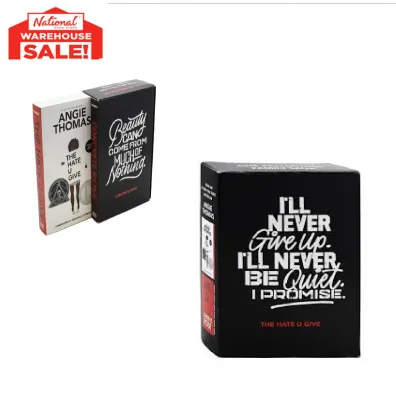
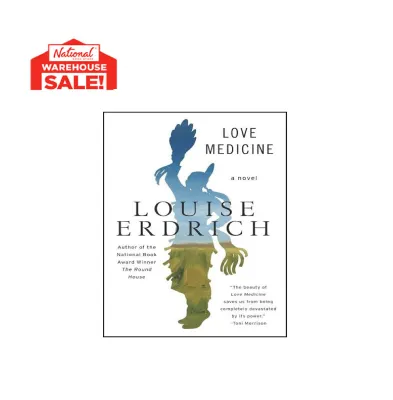
Prices are valid at publication and may change. Please refer to the product page for the latest price.
Familiarize yourself with the typical layout of these large-scale book events. Literature and fiction zones are usually grouped together, but they may be separated by language or format, such as paperbacks and hardcovers. Head straight to these designated fiction sections first, bypassing the general merchandise, stationery, or textbook aisles to ensure you get first pick of the literary offerings before the crowds thicken.
Because books are heavy, especially when you are collecting multiple volumes, always bring a sturdy, reusable shopping bag or a small trolley. The venue may not always provide bags that can withstand the weight of thick hardcovers, and carrying a heavy load in your arms will quickly tire you out. A durable bag ensures you can browse comfortably, keep your hands free for inspecting books, and protect your purchases on the journey home.
Identifying High-Value English Novels to Grab First
When browsing the English fiction section, focus your attention on formats and editions that normally carry a premium price tag in retail stores. Complete boxed sets and multi-volume series should be your top priority. Purchasing these sets at a warehouse discount offers substantial savings compared to buying individual volumes separately, and it ensures you have the entire story ready on your shelf without needing to hunt down missing volumes later.

Keep an eye out for hardcover editions, special anniversary releases, and annotated classics. These premium formats are built to last and make excellent centerpieces for any home library. Because hardcovers are typically expensive at standard retail prices, finding them at warehouse sales represents some of the highest value-for-money acquisitions you can make, especially for books you plan to reread multiple times.
Prioritize award-winning contemporary fiction and imported titles that are rarely discounted in standard bookstore branches. Literary prize winners, celebrated international translations, and niche genre fiction from overseas publishers are often imported in limited quantities. Spotting these titles in the bargain piles is a rare opportunity to expand your reading horizons without paying high import fees or waiting for special orders.
Additionally, look for omnibus editions that compile multiple novels or short story collections into a single, thick volume. These editions are highly cost-effective and space-saving. They allow you to enjoy an author’s complete story arc or thematic collection in one durable binding, making them an excellent addition to your shopping cart if you want to maximize your reading hours per peso spent.
Spotting Essential Tagalog Fiction and Local Literature
The local literature section is a cultural goldmine where you can find essential Tagalog fiction and celebrated Filipino masterpieces. Prioritize works by National Artists for Literature and foundational texts that form the backbone of local literary history. These books are vital additions to any collection, offering deep insights into the country’s heritage, social realities, and linguistic beauty through classic storytelling.
Look closely for critically acclaimed modern Filipino authors and limited-run publications from independent local presses. Independent publishers often produce high-quality, thought-provoking contemporary novels that have limited distribution networks. Finding these titles at a warehouse sale is a great way to support local voices while securing books that might otherwise be difficult to track down in mainstream retail outlets once their initial print runs sell out.
Seek out annotated or academic editions of classic Tagalog texts. These specialized editions are highly valuable because they include explanatory notes, historical context, and essays that enrich your understanding of the narrative. They are particularly useful for readers who want to delve deeper into the historical and cultural nuances of classic local writing, making them worth prioritizing over standard paperback reprints.
Finally, identify high-quality English-to-Tagalog translations of global classics, ensuring they are produced by reputable local publishers. Reading world literature translated into Tagalog offers a unique linguistic experience and highlights the versatility of the language. Verify the publisher’s credentials on the copyright page to ensure the translation is faithful, expressive, and professionally edited before adding it to your stack.
Verifying Book Condition, Editions, and Completeness
Because warehouse sales often feature overstock, shelf-worn items, or returns, a thorough physical inspection is crucial before you head to the cashier. Check each book for structural damage, such as broken spines, loose or missing pages, and severe cover wear. In tropical climates, pay close attention to signs of water damage, warping, or mold, which can ruin a book and potentially spread to the rest of your home library if left unchecked.
Verify the publisher, publication year, and specific edition details printed on the copyright page. This step is especially important if you are looking for a specific translation, an uncut text, or a matching edition to complete an existing collection on your shelf. Ensuring the edition matches your expectations prevents the disappointment of bringing home an abridged or altered version that does not fit your preferences.
When purchasing Tagalog translations or local editions, confirm that the text is complete and unabridged. Check that the interior language matches the cover description and that there are no printing errors, such as blank pages or misaligned text blocks. Taking a minute to flip through the pages can save you from discovering a major printing defect after the sale has ended and returns are no longer possible.
For shrink-wrapped boxed sets, inspect the outer seal carefully to ensure it is intact and has not been tampered with. If the plastic wrap is torn, verify that the correct number of volumes is present inside the box. When in doubt, look for visible volume numbers on the spines through the packaging to confirm the set is complete, or ask a staff member for assistance if the box is open.
Frequently Asked Questions (FAQ)
Are slightly damaged or returned books worth buying at the sale?
Slightly damaged books can be excellent purchases if the discount is significant and the flaws are purely cosmetic. Minor shelf wear, scuffed covers, or slightly bent corners do not affect the readability of the text and are often acceptable trade-offs for a bargain price. However, you should avoid books with structural issues like torn pages, broken bindings, or water stains, as these defects make reading difficult and can lead to further deterioration over time. If a book is an extremely rare find that you have struggled to locate elsewhere, minor physical flaws may be worth overlooking, but always pass on severely damaged copies that compromise the reading experience.
How can I quickly check if a boxed set is complete before paying?
To verify a boxed set’s completeness, start by checking the printed volume count or list of titles on the exterior packaging. Count the visible book spines through the shrink wrap to ensure they match the listed number of volumes. You can also gently feel the weight and thickness of the package to check for any unusual empty spaces inside the box. If the shrink wrap is already broken or missing, carefully slide the books out to verify each title against your wishlist. If you cannot easily confirm the contents, do not hesitate to ask the sale staff for assistance before proceeding to the checkout counter.
Community discussion
Share your experience or ask a question. Comments are reviewed before publication.