
Playing the kubing, a traditional bamboo jaw harp from the southern Philippines, is an engaging way to explore acoustic physics and traditional music. Unlike Western metal jaw harps that press directly against the teeth, this delicate bamboo instrument rests gently against your lips. By plucking the central bamboo strip—known as the tongue or lamella—and using your oral cavity as a natural resonator, you can produce rich, hypnotic drone sounds and bright overtones.
For a complete beginner, mastering the kubing is highly achievable with a bit of patience. The process relies on developing a steady grip, positioning the instrument safely against your mouth, and learning how to shape your breath and throat to modulate the pitch. With consistent practice, you will quickly transition from producing simple vibrations to crafting complex, rhythmic melodies.
How to Hold the Kubing for Optimal Vibration
Before attempting to make a sound, you must understand the physical structure of the kubing. The instrument is carved from a single piece of bamboo, consisting of an outer frame, a narrow vibrating tongue in the center, and a handle end which is often wider or decorated with traditional carvings. To allow the instrument to vibrate freely, you must hold it in a way that secures the frame without touching or obstructing the central tongue.
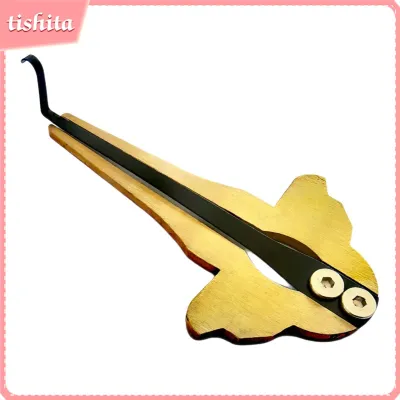
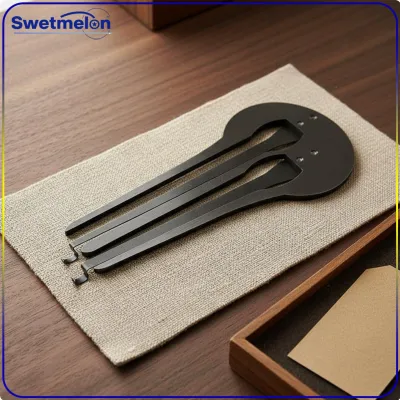
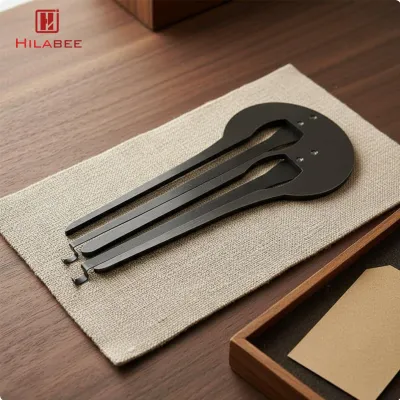
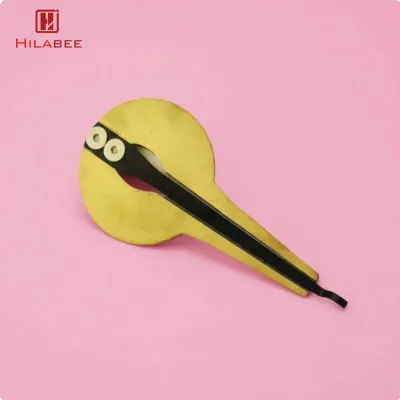
Products mentioned in this guide

![[hop83dsgs1dhrh]Folk Jaw Harp Metal Jaw Harp Musical Instrument Russian Mouth Harp Beautiful Sound for Beginners Children Birthday Gifts](https://img.lazcdn.com/g/p/b360cc92d9b353fc39c94d63ea24bee2.jpg_400x400q80.jpg_.webp)


Prices are valid at publication and may change. Please refer to the product page for the latest price.
Start by holding the handle end of the kubing with your non-dominant hand. Pinch the base firmly between your thumb and index finger. Your grip should be tight enough to keep the instrument stable when plucked, but you must avoid squeezing the middle section of the frame. Squeezing the frame can cause the bamboo to warp slightly, which pinches the central tongue and stops it from vibrating.
Keep your remaining fingers curled back toward your palm. If any part of your hand or fingers accidentally brushes against the outer frame near the vibrating tongue, it will instantly dampen the sound. Practice holding the instrument in front of you and giving it a light tap; you should feel a clean, continuous vibration travel through the handle without any sudden stops.
Positioning Your Mouth and Jaw for Safe Resonance
Proper mouth placement is essential for both safety and sound quality. Because the kubing is made of bamboo, it is designed to rest against your lips rather than your teeth. This makes it much more comfortable for beginners than metal alternatives, but it still requires precise positioning to avoid minor pinches or muffled tones.

Part your lips slightly and press the outer frame of the kubing gently but firmly against them. Your lips should form a soft seal along the top and bottom edges of the bamboo frame, acting as a cushion. However, your lips must not touch the central vibrating tongue. If your lips press too far inward, they will damp the vibration, resulting in a dull, quiet click instead of a resonant hum.
Behind your lips, your teeth must remain parted. There should be a clear gap of at least a few millimeters between your upper and lower teeth to ensure the vibrating bamboo tongue has enough room to swing back and forth without striking your enamel. Never bite down on the instrument or rest it directly against your teeth, as this can damage both your teeth and the delicate bamboo.
To maximize the volume of your kubing, you must relax your jaw, tongue, and throat muscles. Tension in your face will choke the sound waves. Think of your mouth as an empty, hollow chamber, similar to the body of an acoustic guitar. The more relaxed and open your oral cavity is, the deeper and more resonant your fundamental tone will be.
Plucking the Tongue to Produce Your First Clear Tone
Once your grip and mouth positioning are secure, you are ready to actuate the instrument. Producing a clear tone requires a clean, decisive plucking motion. Beginners can use either the index finger or the thumb of their dominant hand to pluck the projecting spur at the end of the kubing.
For most players, an outward pluck using the index finger offers the greatest control. Position your index finger against the tip of the bamboo tongue. Gently pull the tongue outward, away from your face, and release it sharply. The movement should come from your wrist rather than your entire arm, keeping the motion small and controlled.
An alternative method is the inward pluck, where you use your thumb to flick the tongue toward your face. Whichever direction you choose, the key is an immediate release. The moment you pluck the bamboo tongue, you must pull your hand completely away from the instrument’s path. If your plucking finger lingers even a fraction of a second too long, it will collide with the returning tongue, cutting the vibration short.
Avoid the common beginner mistake of plucking too hard. Bamboo is highly flexible, but excessive force will not make the instrument louder; instead, it will cause the tongue to strike the outer frame, creating a harsh clattering noise. A light, clean, and consistent flick is all that is required to set the instrument into a steady, ringing drone.
Shaping Your Mouth and Breath to Modulate the Sound
Because the kubing only produces a single fundamental pitch, you must use your body to create melodic variation. By changing the shape of your oral cavity and controlling your breath, you can isolate different overtones, transforming a simple drone into a dynamic musical performance.
To change the pitch and timbre, try silently whispering different vowel sounds while plucking the instrument. Shaping your mouth as if pronouncing a deep “ah” or “oh” increases the volume of your oral cavity, emphasizing the lower, warmer overtones. Transitioning your mouth shape to a tight “ee” or “ih” reduces the space inside your mouth, highlighting bright, high-pitched overtones.
Your tongue plays a major role in this modulation. Try moving your tongue forward toward your front teeth, or pulling it back toward the throat. You can also raise the back of your tongue to block off the nasal cavity. Each subtle movement alters the path of the sound waves, allowing you to isolate specific frequencies and play simple melodies.
Integrating your breath will dramatically increase the volume and sustain of your playing. Gently inhaling or exhaling through your mouth while plucking draws air across the vibrating tongue, amplifying the sound. You can also use sharp, rhythmic puffs of air to create percussive accents, which is a core technique in traditional Philippine kubing music.
Troubleshooting Muffled Sounds and Buzzing Noises
It is common for beginners to encounter sound issues during their first few practice sessions. If your kubing is making a muffled, quiet sound, the most likely culprit is excessive lip pressure. Check to see if your lips are spilling over the frame and touching the vibrating tongue. Lighten your grip and ensure only the outer edges of the frame make contact with your lips.
If you hear a harsh buzzing or clicking sound, the vibrating tongue is likely striking your teeth or the frame itself. This usually happens if you are twisting the instrument while holding it, or if your teeth are not parted wide enough. Ensure the kubing is held perfectly flat against your face, and consciously drop your jaw to create more interior clearance.
An unstable, weak tone often points to a loose grip. If your non-dominant hand is not holding the handle firmly, the frame will wobble when plucked. This wobble absorbs the energy of the vibration instead of projecting it. Tighten your pinch on the handle to ensure all the plucking energy is transferred directly into the vibrating tongue.
Finally, pay attention to physical fatigue. The rapid vibrations of the bamboo can cause a tickling sensation on your lips, and keeping your jaw open can lead to mild muscle soreness. If you experience discomfort, take a break. Short, frequent practice sessions are much more effective for building muscle memory than trying to play through fatigue.
Maintaining and Storing Your Bamboo Instrument
Because the kubing is made of natural bamboo and comes into direct contact with saliva, proper maintenance is essential to ensure its longevity and hygiene. Bamboo is a porous material that can easily warp, crack, or grow mold if not cared for correctly, especially in humid environments.
After every playing session, thoroughly wipe down the entire instrument with a clean, dry microfiber cloth. Make sure to remove all traces of moisture and saliva from both the frame and the narrow gaps surrounding the vibrating tongue. Never use harsh chemical cleaners or soak the instrument in water, as this will ruin the bamboo fibers.
Store your kubing in a dry, well-ventilated area away from direct sunlight. Extreme heat can dry out the bamboo, making it brittle and prone to splitting, while excessive moisture can encourage mold. Many players store their instruments in a dedicated protective bamboo tube or a small cloth pouch to shield them from dust and physical damage.
Before you play, always inspect your kubing for any signs of hairline cracks or structural weakness. If you notice any splitting along the frame or the tongue, discontinue playing the instrument. Playing a damaged bamboo instrument can result in painful splinters or cause the tongue to snap off entirely during use.
Frequently Asked Questions (FAQ)
How long does it take to learn basic rhythms on the jaw harp?
Most beginners can produce a clear, resonant drone within their first fifteen minutes of practice once they master the correct grip and lip placement. Learning to transition smoothly between different vowel sounds and coordinate basic breathing rhythms typically takes a few days of consistent practice. To build muscle memory effectively, aim for short daily practice sessions of ten to fifteen minutes rather than long, infrequent sessions.
Can playing the kubing damage my teeth or lips?
When played with the correct technique, the kubing is completely safe and will not damage your teeth or lips. Because it is a lip-placed instrument, the vibrating bamboo tongue should never make direct contact with your teeth. While you may experience a mild tickling sensation or slight lip soreness when first starting out, this is temporary and will disappear as your facial muscles adapt to the vibrations.
Community discussion
Share your experience or ask a question. Comments are reviewed before publication.