
Playing the jaw harp is one of the most accessible yet deeply rewarding ways to explore traditional music. To play this ancient instrument successfully, you must use your mouth as a natural resonance chamber while plucking a flexible reed to produce a hypnotic, vibrating drone. By mastering the coordination between your breath, tongue, and hands, you can transform a single physical vibration into a rich tapestry of rhythmic melodies.
In the Philippines, the traditional bamboo jaw harp is known as the kubing. While modern metal variants are common worldwide, the organic bamboo construction of the kubing offers a distinctively warm, earthy tone that has been used for generations in courtship, storytelling, and community rituals. Whether you are playing a local bamboo instrument or a steel alternative, the fundamental mechanics of breath and resonance remain the same.
Understanding How the Jaw Harp Produces Sound
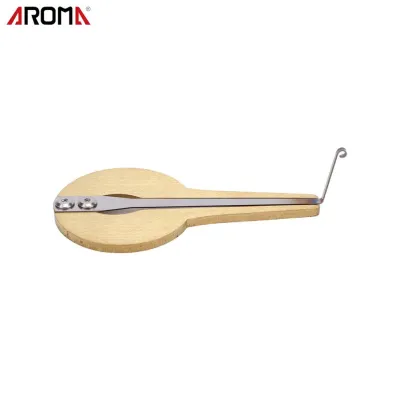
To play the jaw harp effectively, it helps to understand the physical forces at play. The instrument consists of two primary structural components: a rigid outer frame and a thin, flexible tongue or reed running down the center. When you pluck the reed, it vibrates rapidly back and forth between the parallel bars of the frame. On its own, this movement produces only a quiet, metallic or wooden click.
Products mentioned in this guide


![[hop83dsgs1dhrh]Folk Jaw Harp Metal Jaw Harp Musical Instrument Russian Mouth Harp Beautiful Sound for Beginners Children Birthday Gifts](https://img.lazcdn.com/g/p/b360cc92d9b353fc39c94d63ea24bee2.jpg_400x400q80.jpg_.webp)
Prices are valid at publication and may change. Please refer to the product page for the latest price.
Your mouth serves as the instrument’s amplifier and soundboard. When you place the frame against your lips or teeth, the open space inside your oral cavity acts as a variable resonance chamber. The vibrating reed provides a constant fundamental pitch, often referred to as the drone. By changing the shape of your mouth, you isolate and amplify specific overtones, which are the higher frequencies naturally contained within that single drone.
While the acoustic principles are identical across all types of jaw harps, the material of your instrument dramatically influences its sound profile. Traditional Philippine kubing are carefully carved from a single piece of bamboo, resulting in a flexible reed that produces a soft, warm, and highly intimate acoustic sound. In contrast, forged steel jaw harps from European or North Asian traditions are much louder and brighter. The bamboo kubing requires a quieter environment and a more refined touch, but it offers a unique, breathy texture that metal instruments cannot replicate.
Proper Holding and Mouth Positioning for a Clear Tone
Achieving a clear, resonant tone starts with how you hold the instrument. If your grip is too tight or misplaced, you will accidentally dampen the vibrations of the reed. Hold the base of the frame firmly with your non-dominant hand, using your thumb and index finger. Ensure that your fingers remain completely clear of the central reed and the path it must travel when vibrating.

Once you have a secure grip, you must position the instrument against your face to create an airtight seal. For a traditional bamboo kubing, press the flat side of the frame gently but firmly against your parted lips. Your lips should wrap slightly around the frame to prevent air from escaping from the sides of your mouth, without touching the moving reed. If you are using a metal jaw harp, you will instead rest the outer beveled edges of the frame directly against your front teeth, keeping your lips parted.
Your jaw and mouth posture must be relaxed yet structured. Open your teeth slightly—roughly the width of your index finger—to create a clear pathway for the reed. If your teeth are closed, the vibrating reed will strike them, resulting in a harsh clattering sound and potential discomfort. Keep your tongue resting low in the floor of your mouth to maximize the internal volume of your resonance chamber.
Before you attempt to pluck the reed, perform a quick safety and clearance check. Slowly move the reed back and forth with your finger to ensure it has complete clearance to pass between your lips and teeth without grazing them. If you feel any physical contact against your teeth or inner lips, stop immediately. Adjust the angle of the frame, open your jaw slightly wider, and re-verify the clearance before proceeding.
Plucking Techniques to Produce Your First Sound
With your instrument securely positioned, you are ready to generate your first continuous drone. Place the index finger or the pad of the thumb of your dominant hand against the tip of the reed. For a bamboo kubing, the instrument often features a small carved projection or a string at the end of the frame to facilitate plucking.
To execute the plucking motion, pull the reed gently outward, away from your face, and release it cleanly. The motion should be a smooth, flicking action rather than a heavy push. For most bamboo instruments, pulling outward is the safest and most common method to prevent the reed from striking your lips. Ensure your plucking hand moves in a straight line parallel to the frame; plucking at an angle will cause the reed to wobble sideways and strike the outer frame, instantly killing the sound.
Finding the correct amount of force requires patience and practice. You must pluck hard enough to sustain a continuous, buzzing drone, but gentle enough to protect the delicate bamboo. Aggressive pulling can easily snap a finely tuned bamboo reed or cause the frame to slip against your face. Start with very light, rhythmic flicks, gradually increasing your force only when you can consistently produce a clean, buzz-free vibration.
When you achieve a successful pluck, you will feel the vibrations resonate directly through your lips, jaw, and skull. This physical sensation is a normal part of playing the jaw harp. The sound should transition from a dry click into a sustained, continuous “buzzing” drone that rings out for several seconds after a single pluck.
Shaping Tones and Rhythms with Your Mouth and Breath
Once you can produce a reliable drone, you can begin shaping that sound into actual music by manipulating your oral cavity. The easiest way to change the pitch of the overtones is through silent vowel shaping. While plucking the instrument at a steady tempo, silently shape your mouth as if you were pronouncing the vowels “ee,” “ah,” “oh,” and “oo.”
- The "EE" shape minimizes the space inside your mouth, amplifying high-pitched, piercing overtones.
- The "AH" shape creates a moderate space, producing mid-range tones.
- The "OH" and "OO" shapes maximize the internal volume of your mouth, bringing out deep, bass-heavy resonances.
Your tongue plays a vital role in refining these tones. By sliding your tongue backward toward your throat, you enlarge the resonance chamber, lowering the dominant overtone. Pushing your tongue forward toward the back of your lower teeth shrinks the chamber, raising the pitch. Combining these tongue movements with your vowel shapes allows you to isolate specific notes within the drone.
To add rhythmic texture and volume, integrate your breath into your playing. Taking sharp, controlled inhales and exhales through your mouth while playing creates a rushing air sound that blends with the vibration of the reed. A sudden, sharp inhale on a specific beat acts as a natural accent, making that note sound louder and more percussive. Conversely, closing your throat slightly (using a glottal stop) will abruptly cut off the resonance, allowing you to play crisp, staccato rhythms.
To play traditional patterns, synchronize a steady, down-tempo plucking rhythm with rapid changes in your mouth shape and breath. Try plucking on every beat while cycling through different vowel shapes on the half-beats. This creates a mesmerizing, interlocking rhythm of low drones and high-pitched melodic accents that mimic the natural sounds of the Philippine forest, such as wind, rain, or cicadas.
Troubleshooting Common Beginner Mistakes
It is common to encounter performance hurdles when first learning the jaw harp. If you are experiencing a muffled, weak, or virtually silent sound, the issue is almost always a poor seal or an accidental dampening of the reed. Check that you are pressing the frame firmly enough against your lips to prevent air leaks. Additionally, ensure that your tongue or inner cheeks are not resting against the moving reed inside your mouth.
If the reed is hitting your teeth, you must stop playing immediately to prevent dental chipping or pain. This issue occurs when your jaw is too tense, your mouth is not open wide enough, or you are plucking the reed at an awkward angle. Relax your facial muscles, drop your lower jaw slightly lower, and practice plucking in a perfectly straight, outward line.
+------------------------------------+------------------------------------+
| Common Issue                       | Quick Correction                   |
+------------------------------------+------------------------------------+
| Muffled, quiet, or dead tone       | Tighten lip seal; pull tongue back |
+------------------------------------+------------------------------------+
| Reed clattering against teeth      | Open jaw wider; pluck straight out |
+------------------------------------+------------------------------------+
| Bamboo reed splitting or snapping  | Reduce plucking force; avoid angles|
+------------------------------------+------------------------------------+
For those playing a bamboo kubing, physical damage to the instrument is a constant risk. Bamboo is highly sensitive to changes in humidity and excessive physical force. If you pluck too aggressively or bend the reed sideways during your stroke, the bamboo can split or snap. Always use a gentle, controlled pulling motion, and store your instrument in a protective wooden or bamboo case when not in use to shield it from the tropical humidity of the Philippines.
Simple Practice Exercises for Your First Melodies
Building muscle memory requires short, focused daily practice sessions. Use these two introductory exercises to develop your control over pitch, rhythm, and breath.
Exercise 1: The Vowel Sweep
This exercise helps you master pitch modulation without worrying about complex rhythms. Establish a slow, steady pluck once every two seconds. On the first pluck, hold a silent “ee” shape. On the second pluck, smoothly transition your mouth into an “ah” shape. On the third, move to an “oh” shape, and on the fourth, end on an “oo” shape. Repeat this sequence in reverse, listening closely to how the overtones shift smoothly from high to low and back again.
Exercise 2: The Rhythmic Breath
This exercise introduces percussive breathing to your playing. Establish a steady four-beat plucking pattern using a single, neutral mouth shape like “ah.”
- Beat 1: Pluck the reed normally.
- Beat 2: Pluck the reed while taking a sharp, quiet inhale through your mouth.
- Beat 3: Pluck the reed normally.
- Beat 4: Pluck the reed while executing a sharp, quiet exhale.
As you practice, focus on keeping your physical movements relaxed. Your jaw muscles and plucking finger may tire quickly during your first few weeks. To prevent fatigue and soreness, limit your practice to 10 or 15 minutes at a time, allowing your muscles to adapt gradually to the unique demands of the instrument.
Frequently Asked Questions (FAQ)
Can playing the jaw harp damage your teeth?
When played with proper technique, the jaw harp is entirely safe. However, improper positioning, aggressive plucking, or playing while physically fatigued can cause the reed to strike your teeth. For metal jaw harps, which rest directly against the teeth, this can lead to discomfort or minor dental chipping. Traditional bamboo kubing are generally safer because they rest against the soft tissue of the lips, but you must still maintain proper clearance to prevent the reed from hitting your teeth.
Why does my bamboo kubing sound so quiet compared to metal ones?
Bamboo is a natural, fibrous material that absorbs high-frequency vibrations, resulting in a soft, warm, and earthy sound. Metal jaw harps utilize rigid steel reeds that reflect sound efficiently, producing a much louder and brighter tone. The quiet, intimate volume of the bamboo kubing is an intentional, defining characteristic of the instrument, designed for solo meditation, personal enjoyment, or quiet storytelling rather than loud ensemble performances.
Community discussion
Share your experience or ask a question. Comments are reviewed before publication.