
Reading the works of horror master Junji Ito does not require following a single, rigid chronological timeline. Because the vast majority of his stories are standalone tales or self-contained series, the best reading order is one that builds your familiarity with his unique style. For the most rewarding narrative experience, beginners should start with his highly acclaimed long-form masterpieces, transition into his iconic character-driven episodic series, and then dive into his extensive library of short story anthologies. This progression allows you to appreciate his evolving art style and thematic depth without feeling overwhelmed by his intense brand of cosmic and body horror.
Understand the Format Before You Start
Before purchasing any volumes, it is essential to understand how Junji Ito’s bibliography is structured. His work generally falls into two categories: long-form serialized novels and short story anthologies. Serialized works offer a continuous narrative arc from start to finish, while anthologies collect bite-sized nightmares that may have been published years apart. Because of this division, reading his entire catalog in strict publication order is rarely necessary. Instead, grouping your reading by format and theme provides a much more cohesive experience.
When preparing to build your collection, always verify the specific edition, language, and medium or file format before making a purchase. Many of his works have been compiled into various deluxe hardcovers, paperbacks, and digital formats. Checking for regional restrictions, device compatibility for digital editions, and content completeness ensures you receive the full, uncensored illustrations that define his work. Whether you are browsing an authorized local bookstore in Manila or ordering through a reputable online marketplace, verifying these details beforehand prevents the disappointment of receiving mismatched editions or incomplete translations. You can also compare local prices in ₱ to ensure you are getting a genuine copy from an authorized distributor.
Products mentioned in this guide
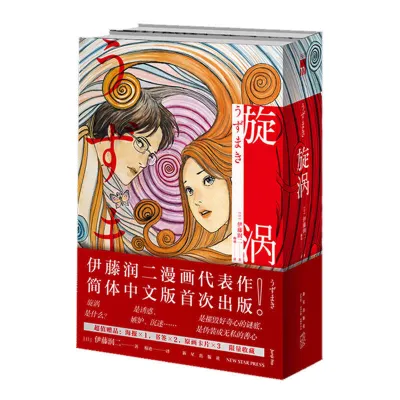
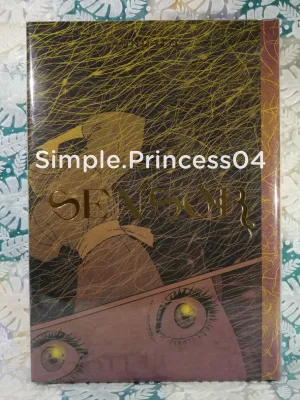
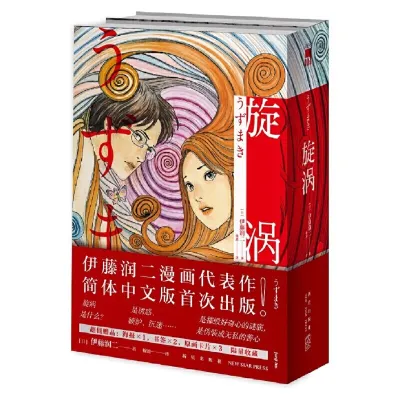
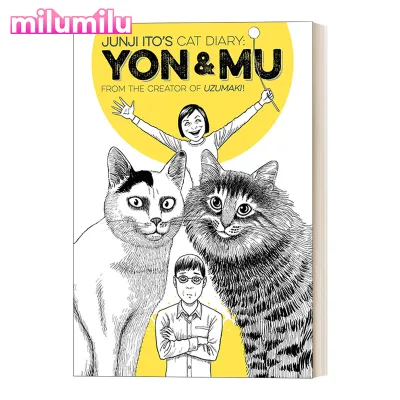
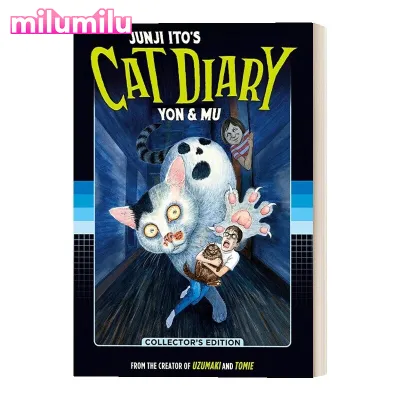
2 Lazada user ratings
Packed securely without damage. smooth cover and pages. delivered on time and at a discoubted price.
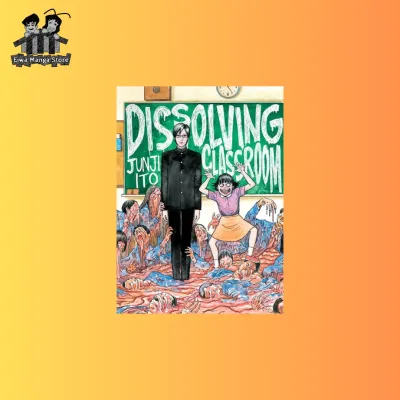
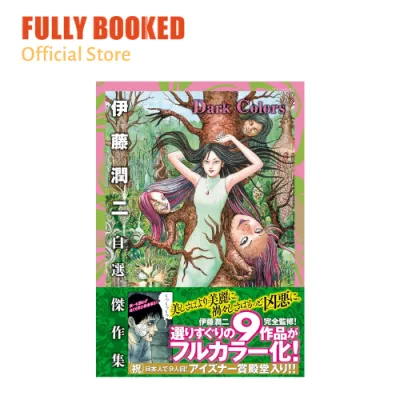
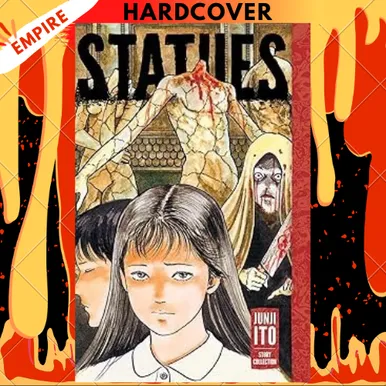
Prices are valid at publication and may change. Please refer to the product page for the latest price.
Step 1: Start with the Essential Long-Form Masterpieces
Starting your journey with Junji Ito’s major serialized works is the most effective way to experience his storytelling capabilities. These complete, self-contained narratives allow you to immerse yourself in a fully realized world where dread builds gradually over several chapters. Unlike short stories that deliver a sudden shock, these longer books demonstrate his ability to sustain tension and develop complex, surreal concepts.

Uzumaki and Gyo
Uzumaki is widely considered the ultimate entry point for any reader. The story centers on a small coastal town cursed not by a monster or a ghost, but by a geometric shape: the spiral. As the obsession with spirals infects the residents, the horror escalates from bizarre psychological quirks to grotesque physical transformations. It perfectly showcases his ability to turn a simple, abstract concept into an overwhelming force of cosmic dread.
Following Uzumaki, Gyo offers a very different, yet equally compelling, style of horror. The plot follows a young couple as Okinawa, and eventually the rest of Japan, is invaded by hordes of sea creatures propelled by mechanical metal legs and powered by a mysterious, foul-smelling gas. Gyo leans heavily into body horror, biological rot, and absurd science fiction. Together, these two works establish the benchmark for his artistic style, helping you decide if you have the stomach for his more extreme visual concepts.
Hellstar Remina and Black Paradox
Once you have completed the foundational duology, Hellstar Remina and Black Paradox serve as excellent follow-ups that expand into science fiction and existential dread. Hellstar Remina tells the terrifying story of a newly discovered planet that is rapidly consuming everything in its path as it heads toward Earth. The narrative shifts the focus from localized curses to grand cosmic horror, exploring how humanity reacts to unavoidable, planet-scale annihilation.
Black Paradox, on the other hand, delves into psychological horror and dark fantasy. It follows four individuals who meet through a suicide website, only to discover a bizarre gateway to another dimension containing soul-like gemstones. These two titles represent a secondary tier of long-form stories. They are highly creative and slightly shorter than Uzumaki, making them perfect for deepening your appreciation of his narrative range.
Step 2: Explore Iconic Character-Driven Series
After exploring the grand, world-ending scenarios of his long-form novels, the next step is to explore his character-driven series. These works are episodic in nature, focusing on recurring figures who bring chaos and terror wherever they go. Because these chapters were often written and published over many years, they do not follow a strict linear timeline, allowing you to read them at your own pace.
The Tomie Collections
Tomie is Junji Ito’s debut work and one of his most famous creations. The series revolves around a beautiful, immortal high school girl who possesses the supernatural ability to drive men into murderous, obsessive rages. No matter how many times she is killed and dismembered, she inevitably regenerates from each piece of her flesh to torment her killers again.
Because the Tomie chapters were serialized over several decades, reading them in the order they are collected in modern deluxe editions allows you to witness the dramatic evolution of the author’s art style. The early chapters feature simpler, more traditional manga linework, while the later chapters showcase the highly detailed, shadow-heavy ink style that he is known for today. The episodic structure means you can enjoy these stories as individual nightmares linked by a single, terrifying entity.
Souichi and Oshikiri
For a change of pace, the stories featuring Souichi and Oshikiri introduce elements of dark comedy and surreal psychological mystery. Souichi is a mischievous, pale schoolboy obsessed with curses, black magic, and voodoo dolls, who constantly chews on iron nails. While his antics are creepy, they often backfire in a slapstick manner, providing a unique blend of horror and dark humor.
The Oshikiri stories focus on a short high school student who lives alone in a massive, decaying mansion that seems to connect to parallel dimensions. These tales deal with doppelgängers, interdimensional travel, and psychological isolation. Reading about these recurring characters offers a refreshing break from the heavy, inescapable doom found in his cosmic horror masterpieces, showing his versatility as a writer.
Step 3: Dive into Short Story Anthologies
With the major series and characters completed, you are ready to explore his vast library of standalone short story anthologies. Collections such as Shiver, Smashed, Lovesickness, and Fragments of Horror contain some of his most creative and shocking concepts. Because these stories are entirely independent of one another, you can select anthologies based on your specific horror preferences.
If you prefer psychological tension and eerie atmosphere, collections like Lovesickness or Sensor are excellent choices. If you enjoy grotesque imagery, body horror, and bizarre supernatural occurrences, Shiver and Smashed compile some of his most visually striking short works. A great strategy to maintain your reading momentum is to intersperse these short story collections between his longer novels, preventing the fatigue that can come from reading long, continuous narratives.
Step 4: Manage Your Pacing and Content Boundaries
Reading horror manga can be an intense experience, especially when dealing with the highly detailed and disturbing imagery that defines this style. To get the most out of your reading journey, it is important to pace yourself. Binge-reading multiple volumes in a single sitting can lead to horror fatigue, where the shocking imagery loses its impact and the stories begin to feel repetitive.
Take your time to appreciate the intricate ink work and background details in each panel. In warm, humid tropical climates like the Philippines, reading these atmospheric stories during a quiet, rainy afternoon or in a comfortable, well-ventilated room can enhance the sense of isolation and dread. Always pay attention to your personal comfort levels with themes of body horror, claustrophobia, and psychological distress. If a particular story feels too intense, do not hesitate to close the book, take a break, and return to it when you are ready.
Frequently Asked Questions (FAQ)
Do I need to read the Junji Ito manga in strict publication order?
No, you do not need to read his works in strict publication order. Because most of his stories are completely standalone or episodic, you can read them in almost any order without missing crucial plot points. The only major benefit of following publication order is observing the gradual development of his art style, which is particularly noticeable in long-running collections like Tomie. For the best narrative experience, organizing your reading by format—starting with long-form masterpieces before moving to short stories—is highly recommended.
Should I watch the anime adaptations before reading the manga?
It is generally recommended to read the manga before watching any anime adaptations. The core appeal of his work lies in his highly detailed, hand-drawn ink illustrations, which rely on precise shading and page-turn reveals to deliver their horror. Many readers find that anime adaptations struggle to capture the same level of atmospheric dread and intricate detail found on the printed page. Watching the adaptations can be a fun supplement once you are already familiar with the source material, but the original manga remains the definitive way to experience these stories.
Community discussion
Share your experience or ask a question. Comments are reviewed before publication.