
Preparing for major exams like college midterms, finals, or licensure board exams requires managing an overwhelming volume of study materials. When your desk is cluttered with loose lecture printouts, handwritten notebooks, and stacks of flashcards, your study momentum suffers. Utilizing a transparent drawer system offers a highly efficient, visual solution to this problem. By keeping your review materials organized inside clear drawers, you can locate specific topics instantly without rummaging through opaque boxes or messy piles. This visual accessibility reduces cognitive fatigue, protects your physical notes from tropical humidity, and ensures that every study session is focused entirely on active recall and review.
Preparing Your Transparent Drawer and Study Materials
To build an effective storage system, you must first evaluate the sheer volume of your study materials. Gather all the items you plan to use during your exam preparation, including loose-leaf lecture notes, printed slide decks, index cards, and thick reference textbooks. Take note of their physical dimensions and weight. Standard letter or A4-sized printouts require drawers with sufficient width and depth to prevent the edges from curling. If you rely heavily on flashcards, you will need shallower compartments or specialized inserts to keep them upright and accessible.
Once you have a clear picture of your inventory, select a transparent drawer unit that matches your desk space and storage needs. Look for modular, stackable acrylic or clear plastic drawers that allow you to expand your setup as the semester progresses. To maximize the utility of these drawers, you must also choose compatible internal accessories. Small plastic bins, adjustable drawer dividers, and dedicated card holders are essential for keeping different types of media separated. These accessories are widely available in local stationery stores or online marketplaces, with budget-friendly dividers costing around ₱100 to ₱300. Without these internal structures, loose papers will slide around every time you open and close the drawer, leading to immediate disorganization.
Products mentioned in this guide
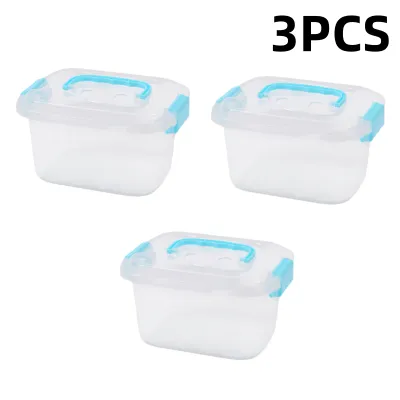
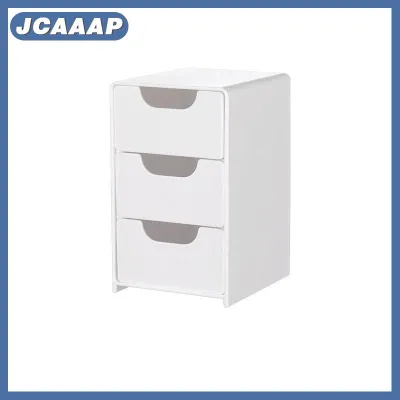

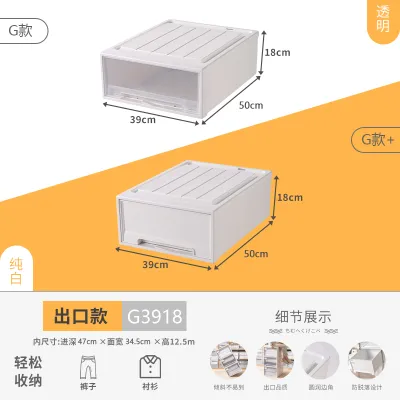
Prices are valid at publication and may change. Please refer to the product page for the latest price.
Finally, gather your labeling and color-coding tools before you begin arranging your materials. A basic label maker, adhesive paper labels, or color-coded sticky notes are invaluable for creating clear visual cues. In humid tropical climates, standard paper labels can lose their stickiness over time, so consider using high-quality vinyl labels or writing directly on the drawer exterior with a dry-erase marker. Having these tools ready ensures that you can label each section immediately as you organize, preventing any confusion later on.
Sorting Notes, Flashcards, and Review Materials
Before placing a single item into your transparent drawer, you must establish a logical categorization system. Start by grouping your study materials by subject, course code, or specific exam topics. For instance, if you are preparing for a comprehensive board exam or college finals, you might categorize your materials by core disciplines. Alternatively, you can organize your documents chronologically based on your study schedule, separating materials into categories like “Week 1 Review,” “Active Recall Practice,” and “Final Cram Sheets.” This chronological approach ensures that you only interact with the documents relevant to your immediate goals.

Next, separate your materials by their physical format and weight. Delicate items, such as loose-leaf notes, printed handouts (often referred to as “transes” in local university circles), and standard paper flashcards, should have their own dedicated zones. Placing these lightweight items in the same compartment as heavy, bound textbooks or thick reviewers is a recipe for damaged pages. Keep your heavy reference books in a separate, sturdier section of your desk or in the bottommost drawer of your stackable unit to maintain structural balance and prevent delicate papers from being crushed.
As you sort through your papers, be ruthless about discarding outdated drafts, duplicate prints, and irrelevant syllabus guides. It is common to accumulate multiple versions of the same study guide or practice test over a semester. Storing unnecessary paper wastes valuable drawer space and increases the time it takes to find critical information. Recycle or archive any materials that do not directly contribute to your upcoming exams. By keeping only the most accurate, high-yield review sheets in your active transparent drawer, you streamline your study environment and reduce visual clutter.
Step-by-Step Guide to Arranging Materials in the Drawer
With your materials sorted and your drawer prepared, you can begin the physical arrangement process. Start by placing your most frequently accessed items at the very front of the drawer or in the top drawer of a stacked system. These high-priority items typically include your daily flashcard decks, active cheat sheets, and notes for the subject you are studying today. By keeping these materials within arm’s reach and immediately visible through the clear plastic, you eliminate the friction of starting your study sessions, making it easier to build a consistent daily routine.
To keep your sorted items in place, insert your dividers or small plastic bins into the drawer. Position your flashcard holders so that the cards stand vertically, allowing you to flip through them like a miniature library catalog. If you are storing loose-leaf papers or printed slide decks, place them in thin, color-coded folders before sliding them into the drawer. The dividers will prevent these folders from slipping flat, keeping them upright and organized. This structural support is especially important when drawers are only partially full, as it prevents papers from slumping and wrinkling.
Next, apply clear, outward-facing labels to your dividers or directly onto the front of the transparent drawer. If you are using stackable drawers, label the exterior of each drawer with the broad subject name or priority level, such as “Anatomy – Active” or “Mathematics – Practice Exams.” For internal dividers, place labels at the top edge so they remain visible even when the drawer is filled with papers. Ensure that all text faces outward, allowing you to read the labels clearly through the transparent plastic without needing to pull the drawer open.
Take full advantage of the drawer’s transparency by incorporating a color-coded filing system. Assign a specific color to each subject or exam topic—for example, blue for pharmacology, green for pathology, and yellow for biochemistry. Use matching colored folders, plastic tabs, or colored index cards for your flashcards. Because the drawer is completely clear, these bright color blocks will be visible from across your room. This visual mapping allows your brain to instantly identify where a specific subject is located, saving precious seconds during intense, timed study sessions.
Maintaining Your Organization System During Exam Week
Maintaining your organized drawer system during the chaotic days of exam week requires discipline, but it pays off by keeping your stress levels manageable. Establish a quick, five-minute daily reset routine at the end of every study session. Instead of leaving your notes, highlighters, and flashcards scattered across your desk, return them to their designated compartments in the transparent drawer. This simple habit ensures that when you wake up the next morning, your study space is clean, organized, and ready for another productive session, preventing the accumulation of overwhelming desk clutter.
As you progress through your study plan, your priorities will naturally shift. Adapt your drawer layout by moving completed or mastered materials toward the back of the drawer or to a lower compartment. For example, once you have thoroughly memorized a deck of flashcards or completed a practice exam for a specific topic, slide those items behind your active study guides. This physical shift keeps your upcoming, high-priority, or difficult topics at the forefront of your visual field, ensuring that your attention remains focused on the areas that require the most improvement.
Finally, recognize when your active transparent drawer has reached its maximum capacity. During a long semester, the volume of handouts and review sheets can easily overwhelm a single desktop organizer. When a drawer becomes too crowded, it becomes difficult to pull out individual papers without tearing them. Transition older, graded quizzes or completed lecture units to a secondary storage box, such as a filing cabinet or a larger storage bin kept under your bed. Keeping only your active, high-yield exam prep materials in your desktop transparent drawer preserves its efficiency and keeps your study environment streamlined.
Frequently Asked Questions (FAQ)
Can I store heavy textbooks in a standard transparent drawer?
Standard transparent drawers made of acrylic or lightweight plastic are generally designed for paper documents, notebooks, and small stationery items rather than heavy textbooks. Before placing heavy books inside, check the manufacturer’s weight specifications, which are often listed on the product packaging or the online marketplace listing. If you exceed these limits, you may notice the plastic drawer bowing in the middle, which can cause the drawer to stick or jam when you try to slide it open. To prevent structural damage, limit heavy reference books to the bottom drawer of a stacked unit, or store them vertically on a sturdy bookshelf instead.
How do I prevent loose flashcards from getting mixed up inside the drawer?
Keeping small, loose flashcards organized inside a large drawer space requires dedicated containment strategies. Instead of letting them slide around freely, secure individual decks using thick rubber bands, colorful elastic straps, or small binder clips. For a more protective solution, place your flashcard decks inside small, transparent plastic boxes, soap cases, or zippered mesh pouches before arranging them in the drawer. These individual containers keep your active recall decks separated by topic and prevent them from mixing, while still allowing you to see the contents clearly through both the pouch and the transparent drawer walls.

Community discussion
Share your experience or ask a question. Comments are reviewed before publication.