
Playing the tambourine may seem as simple as picking it up and shaking it, but mastering this versatile percussion instrument requires proper technique, control, and physical awareness. Whether you are performing in a community band, playing along with acoustic sets, or recording in a studio, learning how to hold and strike the tambourine correctly is the key to producing a clean, professional sound. By understanding the balance between grip tension, striking angles, and wrist movement, you can transition from making chaotic noise to delivering precise, expressive rhythms.
To play the tambourine effectively, you must hold the frame with your non-dominant hand at a slight angle and strike the head or rim with your dominant hand. This fundamental posture allows you to control the movement of the metal jingles while keeping your hands relaxed and free from strain. From this starting position, you can explore a wide range of sounds, including sharp accents, soft taps, and sustained rolls.
Getting to Know Your Tambourine and Setup
Before playing your first rhythm, take a moment to understand the anatomy of your instrument. A standard tambourine consists of a circular frame, known as the shell, which is typically made of wood or heavy-duty plastic. Set into this shell are pairs of small metal discs called jingles, or zills, which are held in place by thin metal pins. Many tambourines also feature a drumhead stretched over one side of the frame, which can be made of natural animal skin or synthetic materials.
Products mentioned in this guide
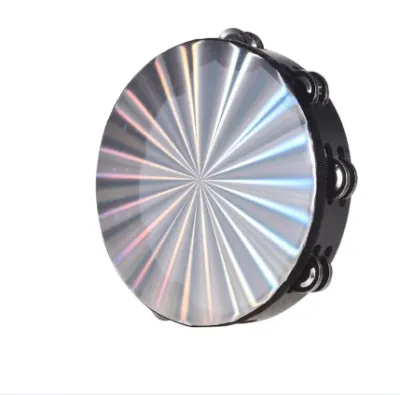

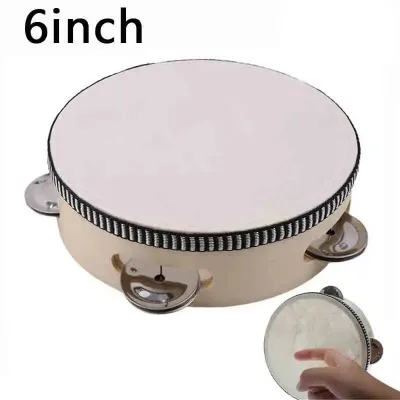


Prices are valid at publication and may change. Please refer to the product page for the latest price.
Your physical posture plays a significant role in how comfortably and effectively you can play. If you are standing, keep your feet shoulder-width apart and your knees slightly bent to maintain a stable, relaxed base. If you prefer to sit, sit up straight near the edge of your chair to give your arms and legs maximum freedom of movement. Avoid slouching, as this collapses your chest and restricts the natural swing of your arms, leading to early fatigue.
Before you begin practicing, perform a quick visual inspection of your instrument. Check that all the jingle pins are secure and that none of the metal discs are cracked or bent. If you are using a headed tambourine, run your fingers across the surface to check for any tears, punctures, or loose areas along the rim. Ensuring your instrument is in good physical condition before you start prevents unexpected damage and guarantees a consistent sound.
Mastering the Proper Grip and Hand Positioning
The way you hold your tambourine dictates how much control you have over the jingles and how long you can play without experiencing hand fatigue. To establish a proper grip, use your non-dominant hand to cradle the shell of the instrument. Locate a section of the frame that does not contain any jingles, or use the designated grip cutout if your model has one. Wrap your fingers around the outer edge of the frame, allowing your thumb to rest lightly on the top rim or the outer edge of the drumhead.

It is vital to keep your fingers away from the vibrating surface of the drumhead and the free-spinning jingles. If your fingers accidentally touch the head while playing, you will muffle the natural resonance of the drum, resulting in a dull, deadened sound. Similarly, blocking the jingles prevents them from vibrating fully, which ruins the bright, shimmering quality that defines the instrument. Keep your wrist aligned with your forearm, maintaining a straight but flexible line that allows your hand to move naturally with the instrument’s momentum.
One of the most common mistakes beginners make is gripping the tambourine too tightly. Squeezing the frame tenses the muscles in your hand, wrist, and forearm, which quickly leads to cramping and limits your speed. A tight grip also dampens the vibrations of the shell, reducing the overall volume and projection of your playing. Instead, hold the instrument firmly enough to prevent it from slipping, but loosely enough to let the frame vibrate freely in your hand.
Executing Fundamental Striking Techniques
Producing a clean, distinct beat on the tambourine requires precise striking techniques with your dominant hand. To achieve a bright, sharp sound, strike the edge of the drumhead near the rim using the pads of your fingers. This technique minimizes the low-end ring of the head and emphasizes the high-pitched shimmer of the jingles. For a deeper, warmer tone with more bass presence, strike closer to the center of the head using the heel of your hand or a flat palm.
Another essential technique involves striking the tambourine against your body, specifically your knee or hip. This method is highly effective for playing rapid, alternating patterns or achieving a softer, more muted tone. To execute this, hold the tambourine in front of your midsection and bring it down to strike your thigh or hip, then bring it back up to strike your dominant hand. This alternating motion allows you to play fast tempos with minimal effort, as the work is shared between both hands and your lower body.
Controlling the rebound of your striking hand is crucial for preventing unwanted noise. When you hit the tambourine, your hand must bounce off the surface immediately, like a drumstick hitting a snare drum. If you leave your hand resting on the head after a strike, you will choke the sound and cause the jingles to settle with an awkward, buzzing vibration. Practice pulling your hand away quickly after every impact to ensure each note sounds crisp, clear, and well-defined.
Producing Continuous Sounds: Shakes and Thumb Rolls
Sustaining a continuous sound on the tambourine adds texture and drama to your music, and this is primarily achieved through shaking and rolling. The basic wrist shake is the foundation for continuous jingle sounds. To perform this, hold the tambourine vertically and shake your wrist back and forth in a rapid, controlled motion. Focus on keeping your arm and shoulder relaxed, letting the movement originate entirely from your wrist to avoid tiring yourself out.
For a more delicate and sustained sound, you can master the thumb roll or finger roll. This technique involves running the pad of your thumb or finger along the outer edge of the drumhead, using friction to create a rapid, continuous vibration of the jingles. To execute a successful thumb roll, apply light, consistent pressure as you slide your thumb in a circular motion around the perimeter of the head. If the surface is too slick, applying a small amount of beeswax or specialized roll tape to the edge of the head can provide the necessary traction.
Controlling the volume and texture of your rolls requires subtle adjustments in pressure and speed. Pressing harder against the head increases friction, producing a louder, more intense roll, while a lighter touch yields a soft, whispering shimmer. You can also vary the speed of your hand movement to create dramatic crescendos and decrescendos, allowing you to match the dynamic shifts of the music you are playing along with.
Combining Techniques to Build Basic Rhythms
Once you feel comfortable with individual strikes and shakes, you can begin combining them to build foundational rhythmic patterns. Start by practicing simple quarter-note beats, striking the tambourine on every count of a steady four-beat measure. Once you can maintain a steady tempo, progress to eighth-note patterns by inserting a soft shake or a secondary tap between each main strike. This simple addition immediately creates a driving, energetic groove.
To develop more complex rhythms, try combining shakes on the off-beats with distinct strikes on the down-beats. For example, strike the tambourine on beats one and three, and execute a rapid shake on beats two and four. This alternating pattern is a staple in many musical genres, providing a reliable, rhythmic backbone that keeps the music moving forward. Focus on making the transition between striking and shaking as seamless as possible, keeping your movements fluid and economical.
Developing internal timing and rhythmic consistency is essential for any percussionist. Always practice with a metronome or play along with your favorite backing tracks to ensure your tempo does not drift. Start at a slow tempo, such as 60 beats per minute, and focus entirely on the precision of your strikes and the evenness of your shakes. Only increase the speed once you can play the pattern perfectly and effortlessly at the slower tempo.
Caring for Your Tambourine After Playing
Proper maintenance is key to keeping your tambourine in excellent playing condition and extending its lifespan. After every playing session, take a few moments to wipe down the drumhead and the frame with a clean, dry microfiber cloth. This simple step removes sweat, moisture, and natural skin oils left behind by your hands. In warm, humid climates like the Philippines, moisture can quickly accumulate on the instrument, leading to tarnished metal jingles or a damaged drumhead if left unchecked.
Regularly perform a visual check of the jingle pins to ensure they remain securely in place. Over time, the repeated impact of playing can cause these pins to slide out of their slots, which can lead to lost jingles or structural damage to the frame. If you notice a pin starting to work its way loose, gently press it back into place or consult a professional repair technician if the frame is cracked or damaged.
Finally, store your tambourine in a stable, dry environment when it is not in use. Avoid leaving the instrument in areas subject to extreme temperature or humidity fluctuations, such as inside a hot car or near an open window. High humidity can cause natural skin heads to sag and lose their tension, while extreme dryness can make them brittle and prone to tearing. Storing your tambourine in a padded gig bag or a dedicated instrument case provides an extra layer of protection against dust, moisture, and accidental drops.
Frequently Asked Questions (FAQ)
Do I need a tambourine with a drumhead, or is a headless one better for beginners?
Choosing between a headed and a headless tambourine depends largely on your musical goals and preferred playing style. Headed tambourines offer a wider range of tonal options, allowing you to produce deep bass notes, sharp rim strikes, and expressive thumb rolls. However, they require more maintenance and are sensitive to weather changes. Headless tambourines are lighter, more durable, and produce a louder, more direct jingle sound, making them excellent for singers, high-energy stage performances, and beginners who want to focus solely on rhythm without worrying about drumhead techniques.
How can I stop the jingles from buzzing when I strike the drumhead?
Unwanted jingle buzz is a common challenge for beginners, but it can be easily managed with a few adjustments. First, try tilting the tambourine at a 45-degree angle rather than holding it completely flat or vertical; this angle allows gravity to settle the jingles quickly after each strike. Second, ensure you are pulling your striking hand away from the head immediately to avoid choking the sound. Finally, you can use the fingers of your holding hand to lightly touch the outer edge of the drumhead or frame, acting as a natural mute to dampen excess vibrations and deliver a drier, cleaner attack.
Community discussion
Share your experience or ask a question. Comments are reviewed before publication.