
When you are navigating a difficult emotional season in isolation, finding a reliable path forward can feel overwhelming. In the Philippines, where mental health resources can sometimes be challenging to access or carry social stigma, turning to self-help books offers a private, self-paced, and highly accessible way to begin healing. While a book cannot replace human connection, the right text acts as a quiet, structured mentor, providing evidence-based tools to help you process grief, manage anxiety, and build inner strength entirely on your own terms.
Criteria for Choosing Self-Help Books for Independent Healing
To ensure your reading time translates into actual emotional recovery, you must establish strict selection standards. The self-help market is flooded with titles, but not all are created equal. Your first step is to distinguish between evidence-based methodologies and purely motivational or anecdotal content. Evidence-based books rely on established psychological frameworks such as Cognitive Behavioral Therapy (CBT), Acceptance and Commitment Therapy (ACT), or Dialectical Behavior Therapy (DBT). These methodologies have been studied and shown to help individuals modify unhelpful thought patterns and behaviors, whereas purely motivational books often rely on temporary emotional highs that fade quickly once you close the cover.
Verifying the author’s credentials is a critical observable check. Look for authors who hold clinical licensing, such as licensed clinical psychologists, psychiatrists, or licensed marriage and family therapists. Alternatively, seek authors who possess advanced academic degrees, such as a Ph.D. or Psy.D., from recognized institutional affiliations. An author’s professional background ensures that the advice they dispense is grounded in clinical practice and ethical standards rather than personal opinion.
Products mentioned in this guide
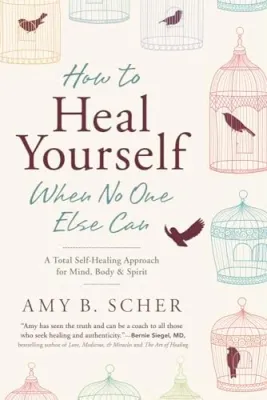
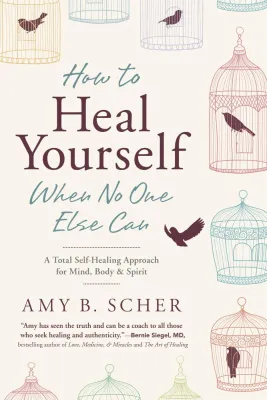
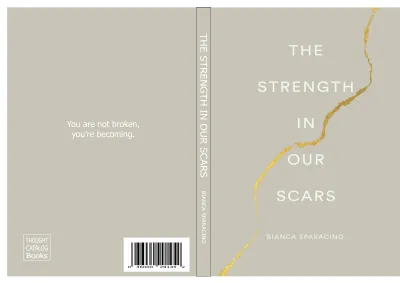
Prices are valid at publication and may change. Please refer to the product page for the latest price.
When browsing online marketplaces or bookstore websites, learn to critically assess reader reviews. Look past the five-star ratings and read the detailed reviews that describe how the book was applied. Distinguish between reviews praising a quick, inspiring read, which often indicates a superficial emotional spike, and those detailing how the book’s exercises helped the reader manage real-world triggers over several months. Genuine therapeutic outcomes are marked by gradual, sustainable behavioral changes rather than instant, dramatic revelations.
Categories of Self-Help Approaches for Solo Emotional Recovery
Emotional healing is not a one-size-fits-all process; it requires matching a book’s core methodology to your current cognitive and emotional capacity. If you are experiencing acute, overwhelming stress, a dense academic text on trauma theory may only increase your frustration. Conversely, if you are seeking deep self-reflection, a basic book of daily affirmations will feel insufficient.

Before purchasing, always check the book’s table of contents and read the introductory chapter if a preview is available. This allows you to verify that the author’s approach directly addresses your specific pain points. Look for a clear roadmap in the table of contents that moves from understanding the problem to practicing active, structured exercises.
Approaches for Processing Grief and Letting Go
Grief-informed literature is essential when you are processing loss, abandonment, or major life transitions without an active support system. Effective books in this category reject the outdated idea that grief is a linear process with a neat ending. Instead, they validate complex, conflicting emotions and focus on helping you carry your grief rather than forcing premature closure.
When evaluating books on loss, check for signs of toxic positivity. Avoid titles that demand immediate emotional detachment, suggest you should look on the bright side, or promise that everything happens for a reason. These narratives can induce guilt and shame, compounding your isolation.
Reading about grief alone carries inherent limitations. You must identify personal triggers that indicate the material is becoming too overwhelming. If reading a chapter causes prolonged physical distress, persistent insomnia, or a feeling of deep despair that does not lift after you close the book, it is a sign to pause and step away from the text.
Approaches for Building Self-Reliance and Inner Strength
When external support is absent, you need resources that foster internal validation, boundary setting, and self-parenting. Look for books that utilize frameworks focused on self-compassion, internal family systems, or attachment theory repair. These approaches help you understand why you react to isolation in specific ways and teach you how to become your own source of comfort.
To ensure the book is practical, check if it offers actionable, daily exercises rather than abstract philosophical concepts. A good self-reliance book should include writing prompts, behavioral experiments, or guided reflections that you can easily integrate into your daily routine.
However, be mindful of the risk of hyper-independence. Some self-help books inadvertently promote the idea that you must be entirely self-sufficient and never rely on others. Evaluate books to ensure they balance self-reliance with healthy vulnerability, teaching you how to protect your peace while remaining open to safe, supportive human connections in the future.
Approaches for Managing Anxiety and Overthinking
If your primary struggle is a racing mind or constant worry, focus on practical, skill-building books that address nervous system regulation and cognitive distortions. Effective anxiety workbooks typically feature somatic tracking, grounding techniques, and cognitive restructuring exercises. These tools help you interrupt the cycle of overthinking by bringing your awareness back to your physical body and challenging irrational thoughts.
Pacing is crucial when dealing with high stress or brain fog. Check the book’s layout to ensure the chapters are short, the language is clear, and the exercises are broken down into manageable steps. A book that is too dense or demanding can exacerbate feelings of overwhelm.
Additionally, be cautious of exposure exercises. If an anxiety book guides you to confront deep-seated fears or traumatic memories without professional supervision, evaluate whether you feel stable enough to handle the resulting emotional distress. If the exercises feel too advanced or trigger intense panic, stop immediately; unsupervised exposure can sometimes reinforce anxiety rather than alleviate it.
How to Evaluate and Purchase Self-Help Books in the Philippines
When purchasing self-help books in the Philippines, a pre-purchase checklist ensures you receive a high-quality, legitimate edition that supports your healing. First, verify the publisher, publication year, and edition. Psychological science evolves, and newer editions often contain updated research, revised exercises, and more inclusive language.
Pay close attention to language nuances and translation quality. If you are purchasing a translated work, check reader reviews or sample pages to ensure the translation is smooth and accurate. Poorly translated psychological terms can alter the intended therapeutic meaning, leading to confusion or misapplication of critical exercises.
To avoid pirated copies, always verify authorized sellers and official brand stores on local ecommerce platforms or visit reputable physical bookstores. Pirated books often suffer from missing pages, illegible text, or low-quality paper that degrades quickly in the high humidity of the Philippine climate. While a pirated reprint might cost less, spending ₱400 to ₱1,200 on an authorized edition ensures you receive a complete, readable tool for your recovery.
Consider the practical trade-offs between physical books, e-books, and audiobooks. Physical books are excellent for active study; they allow you to write directly in the margins, highlight key passages, and easily flip back to reference previous exercises. However, in tropical conditions, paper books require care to prevent mold. E-books offer instant delivery, privacy, and adjustable font sizes, making them highly convenient for reading on a crowded commute. Audiobooks provide a comforting, hands-free experience, allowing you to listen to supportive guidance while doing household chores or resting in a darkened room, though they are less practical for completing written workbook exercises.
Reading Strategies and Safety Boundaries for Solo Recovery
Consuming self-help material safely requires a structured approach that maximizes retention while protecting your mental health. Avoid the temptation to rush through a book. Instead, practice pacing strategies: read in short, focused intervals—perhaps fifteen to twenty minutes a day—and fully complete the workbook exercises before moving on to the next chapter. This gives your brain and nervous system time to integrate the new concepts.
Set up a personal reflection system to process heavy emotional material. Keeping a dedicated journal or recording private voice memos allows you to externalize your thoughts and track your progress over time. This practice helps you digest complex emotions safely without the immediate presence of a therapist.
Most importantly, establish clear safety boundaries and stop-conditions. Self-help books are educational tools, not emergency interventions. If you experience persistent feelings of hopelessness, severe trauma flashbacks, or thoughts of self-harm, you must pause the book immediately. In the Philippines, keep contact details for local mental health hotlines or crisis intervention services easily accessible, and do not hesitate to reach out to a licensed professional when your emotional distress exceeds what a book can support.
Frequently Asked Questions (FAQ)
Can self-help books replace professional therapy?
No, self-help books cannot replace professional therapy. While books offer valuable psychoeducation, coping tools, and structured exercises, they cannot provide a personalized psychological diagnosis, real-time crisis management, or the interactive therapeutic alliance that a licensed professional offers. If you are experiencing severe trauma responses, persistent self-harm ideation, or an inability to perform basic daily functions, seeking a licensed mental health professional is essential.
How do I know if a self-help book is based on science?
To verify if a book is scientifically grounded, flip to the back and examine the bibliography or references section. A science-based book will cite peer-reviewed studies, clinical trials, and academic literature. Be cautious of books that rely entirely on the author’s personal anecdotes, use vague pseudoscientific jargon, or promise rapid, guaranteed cures for deep-seated emotional wounds.

Community discussion
Share your experience or ask a question. Comments are reviewed before publication.