
When you are navigating a difficult season entirely on your own, finding a path forward can feel overwhelming. Learning how to heal yourself when no one else can is not about isolating yourself permanently; rather, it is about developing the internal tools, resilience, and self-compassion required to process emotional pain independently. Self-help books can serve as quiet, reliable mentors during these times, offering structured guidance when a personal support system is out of reach.
However, not every book suits every type of pain, and choosing the wrong text can lead to frustration or deeper emotional fatigue. To make bibliotherapy work for you, it is essential to understand your specific emotional needs, evaluate the credibility of the material, and apply active reading strategies that promote genuine healing.
Identify Your Emotional Needs Before Choosing a Book
Before browsing the shelves of a local bookstore or scrolling through digital catalogs, you must pause and assess your current emotional landscape. Emotional pain is rarely a single, uniform experience. It often presents as acute grief from a recent loss, chronic loneliness from prolonged isolation, burnout from overwhelming daily demands, or a general, low-grade emotional fatigue that leaves you feeling empty. Each of these states requires a different literary medicine. If you are experiencing acute grief, a highly analytical book on cognitive restructuring might feel cold and dismissive, whereas a gentle, validating memoir about loss might offer the comfort you need.
Products mentioned in this guide
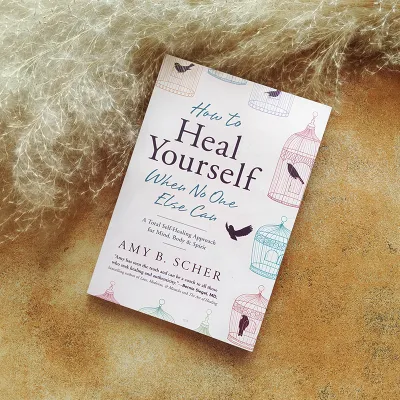
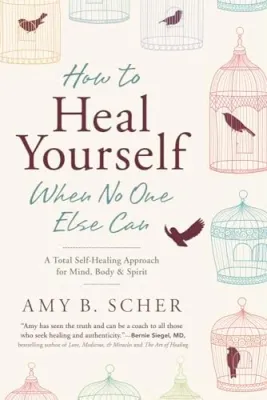
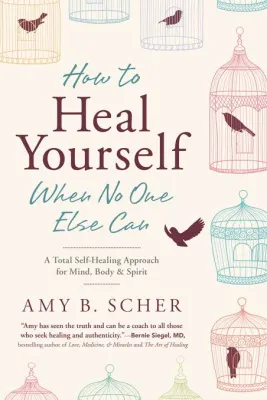
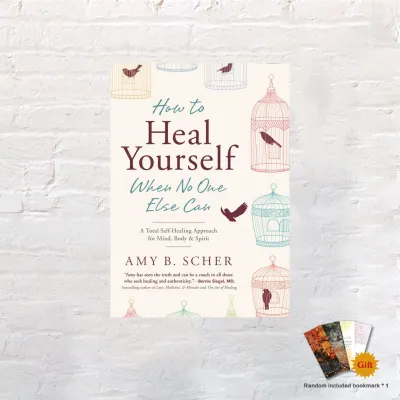
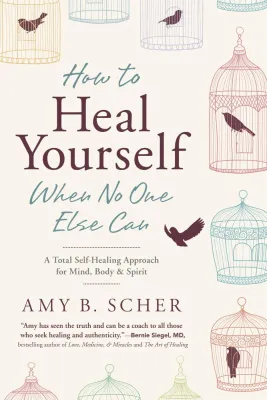
Prices are valid at publication and may change. Please refer to the product page for the latest price.
Once you have identified the primary texture of your pain, determine what kind of support you are looking for. Some readers need actionable coping strategies—concrete exercises, worksheets, and daily habits to break a cycle of negative behavior. Others require deep psychological exploration to understand the root causes of their recurring emotional patterns. There are also times when you simply need comforting validation, a reassuring voice that confirms your feelings are normal and survivable. Knowing whether you need a practical manual, a psychological deep-dive, or an empathetic companion will immediately narrow your search.
Finally, establish clear boundaries by recognizing your personal triggers. When you are healing independently, you do not have an immediate sounding board to help you process sudden emotional distress. If certain topics—such as childhood neglect, abusive relationships, or severe physical illness—are too raw, look for books that approach these themes gently or avoid them entirely for now. Protecting your mental peace is a crucial part of the selection process; a book should challenge you to grow, but it should not destabilize your emotional foundation.
Explore Key Healing Themes for Solo Readers
Self-help literature relies on several distinct psychological and philosophical frameworks. Understanding these themes allows you to select a book that aligns with how your mind naturally processes information and solves problems.

Cognitive Behavioral Approaches Books grounded in cognitive behavioral principles focus on the relationship between your thoughts, feelings, and behaviors. When you are alone, it is easy to fall into negative cognitive distortions, such as assuming the worst or blaming yourself for situations beyond your control. These texts teach you to identify these automatic negative thoughts, challenge their validity, and replace them with more balanced, realistic perspectives. This approach is highly structured and ideal for readers who appreciate practical homework, objective analysis, and clear, step-by-step instructions.
Mindfulness and Acceptance-Based Themes If your emotional pain is accompanied by high anxiety or constant resistance to your current circumstances, mindfulness-based books can be incredibly grounding. These frameworks encourage you to sit with difficult emotions without judgment rather than trying to force them away. By learning to observe your sadness, anger, or loneliness as temporary passing states, you reduce the secondary suffering caused by fighting your feelings. This literature often includes breathing exercises, guided meditations, and reflective essays that help you find a sense of calm amidst tropical humidity or the chaotic bustle of daily life.
Inner Child and Attachment-Focused Frameworks For those who feel a deep, persistent sense of disconnection or find themselves repeating painful relationship patterns, inner child work can be transformative. These books explore how early childhood experiences and attachment styles shape your adult emotional responses. By learning to parent your inner child, you begin to address the root causes of your vulnerability rather than just managing the surface symptoms. This framework requires a high level of emotional readiness, as it often involves revisiting past memories to understand why you feel disconnected in the present.
Stoic and Resilience-Building Philosophies When external circumstances are challenging and you must rely entirely on your own strength, Stoic philosophy offers a rugged, practical framework for endurance. These books emphasize the distinction between what you can control—your actions, thoughts, and responses—and what you cannot control, such as other people’s behavior or external events. By focusing your energy solely on your internal choices, you build a durable sense of agency. This theme is particularly useful for developing mental toughness and maintaining focus when navigating life transitions without an active support network.
Evaluate a Self-Help Book's Credibility and Format
The self-help publishing industry is vast, and the quality of advice varies significantly. To protect your emotional well-being, you must evaluate a book’s credibility before investing your time and energy. Start by checking the author’s credentials. Look for authors who are licensed mental health professionals, such as clinical psychologists, psychiatrists, or licensed counselors, who back their claims with peer-reviewed research and clinical experience. While books written by influencers or individuals sharing personal anecdotes can offer comfort and representation, they should not be your primary source for psychological healing strategies.
Next, verify the publication details and edition. Psychological science evolves, and older editions may contain outdated concepts or terminology. Ensure the book you choose aligns with modern, evidence-based practices. Additionally, check for regional restrictions or device compatibility if you are purchasing digital editions. Some e-books or audiobooks may have licensing limitations that prevent them from downloading properly on local devices, so always verify compatibility with your specific e-reader or smartphone application before finalizing a purchase.
Format compatibility is another practical consideration that directly impacts your healing journey. If you are experiencing low-energy days or severe burnout, holding a heavy physical book and concentrating on dense text can feel impossible. In these moments, an audiobook can be a gentle alternative, allowing you to listen to supportive words while resting in a quiet room. Conversely, if you want to engage deeply with the material, a physical copy or a dedicated workbook is superior, as it allows you to write in the margins, highlight key passages, and complete journaling exercises without digital distractions.
When sourcing books in the Philippines, compare availability and prices in ₱ across local brick-and-mortar bookstores and authorized online retailers. Be cautious of exceptionally cheap, poorly printed bootleg copies sold on unregulated online marketplaces; these often contain missing pages, formatting errors, or incomplete chapters that can disrupt your reading flow. Purchasing authorized editions ensures you receive the complete, high-quality text as intended by the author while supporting the creators and publishers who produce these valuable resources.
Apply Practical Reading Strategies for Emotional Processing
Reading a self-help book is not like reading a novel; it requires a deliberate, active approach to prevent emotional overwhelm. One of the most common mistakes readers make is rushing through a book in a few sittings, hoping for a quick fix. When dealing with heavy emotional themes, pace your reading schedule. Limit yourself to one chapter, or even a few pages, per day. This gives your brain and nervous system the necessary time to digest the concepts and integrate them into your daily life before moving on to more complex ideas.
To maximize the benefits of your reading, employ active reading techniques. Keep a dedicated journal next to you as you read. When a passage resonates with you, write it down and reflect on how it applies to your personal experiences. Pause at the end of each chapter to answer any reflection prompts provided by the author. If a chapter feels particularly intense, practice pause-and-process intervals: close the book, take a few deep breaths, and allow yourself to feel whatever emotions arise without rushing to find a solution.
Creating a supportive physical and mental environment is also essential for processing difficult material. Choose a quiet, comfortable space where you will not be interrupted. In a warm, tropical climate, this might mean reading in a well-ventilated room during the cooler early morning hours or late evenings, away from the noise of household chores or street traffic. Having a glass of water nearby and ensuring your seating is comfortable can help keep you physically grounded when the text challenges you emotionally.
Finally, give yourself permission to pause or permanently abandon a book that is no longer serving you. Not every highly recommended book is a perfect match for your current healing stage. If you find that a book consistently leaves you feeling more anxious, hopeless, or disconnected, it is not a failure on your part to put it down. You can always return to it later when you feel more resilient, or swap it for a different title that matches your immediate emotional capacity.
Recognize When to Seek Professional Support Beyond Books
While self-help books are valuable tools for self-reflection and personal growth, they have inherent limitations. It is crucial to recognize when self-directed reading is no longer sufficient and professional intervention is required. Books provide general psychoeducation and coping strategies, but they cannot offer the personalized feedback, diagnostic clarity, or emotional safety net that a trained therapist provides.
Be vigilant for clinical signs that indicate you need professional support. If you are experiencing persistent feelings of hopelessness, severe sleep disturbances, chronic panic attacks, an inability to perform basic daily tasks, or thoughts of self-harm, self-help books are not an adequate substitute for clinical care. These symptoms suggest a level of emotional distress or trauma that requires a customized treatment plan managed by a licensed psychiatrist, psychologist, or counselor.
If you realize you need to transition from self-help literature to professional care, start by researching qualified mental health professionals in the Philippines. Many local clinics, hospitals, and specialized mental health organizations offer both in-person and online counseling services, making support more accessible regardless of your location. You can also look for local support groups where you can share your experiences with others facing similar challenges. Moving from solo reading to professional guidance is a courageous step that honors your commitment to true, lasting healing.
Frequently Asked Questions (FAQ)
Can Self-Help Books Replace Therapy When You Feel Alone?
Self-help books cannot replace professional therapy. While they are excellent tools for gaining insight, learning coping mechanisms, and understanding psychological concepts, they lack the interactive, personalized nature of clinical treatment. A book cannot assess your unique mental health history, adjust its guidance based on your real-time emotional reactions, or provide crisis intervention. Think of self-help books as valuable supplements to your mental health toolkit, rather than a replacement for a licensed therapist.
How to Tell if a Book Is Triggering Your Emotional Pain
You can tell a book is triggering unhealthy emotional pain when you experience physical or psychological distress that persists long after you close the cover. Watch for physical signs like a racing heart, shallow breathing, muscle tension, or sudden headaches. Emotionally, if a chapter leaves you feeling intensely anxious, numb, dissociated, or unable to sleep, the material may be too overwhelming for your current state. If you experience these reactions, immediately pause reading, focus on grounding exercises, and consider consulting a professional before continuing.
Community discussion
Share your experience or ask a question. Comments are reviewed before publication.