
Finding the right “how to heal yourself book” requires more than just picking a global bestseller off a shelf. For Filipino readers, emotional struggles are rarely experienced in isolation. Our challenges are deeply intertwined with family dynamics, community expectations, and unique economic pressures. To find a book that truly facilitates healing, you must look for literature that speaks to these specific cultural realities rather than offering generic, individualistic advice.
By focusing on books that respect your cultural context while offering sound psychological frameworks, you can find practical tools to navigate your personal healing journey. This guide will help you identify your core emotional needs, evaluate books for cultural relevance, and choose the best formats to support your mental well-being.
Identifying Your Core Emotional Struggle
Before browsing the self-help aisle, you must identify the precise nature of your emotional weight. Temporary stress from a difficult week is vastly different from chronic burnout or deep-seated grief. If you are feeling exhausted, ask yourself if this fatigue stems from a temporary project or a systemic, long-term overload. Pinpointing the root cause prevents you from buying a book on general mindfulness when what you actually need is a structured guide on recovering from occupational exhaustion.
Products mentioned in this guide
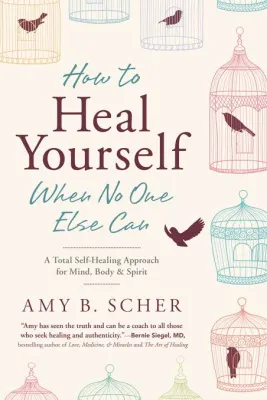
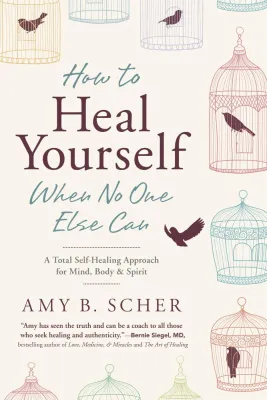
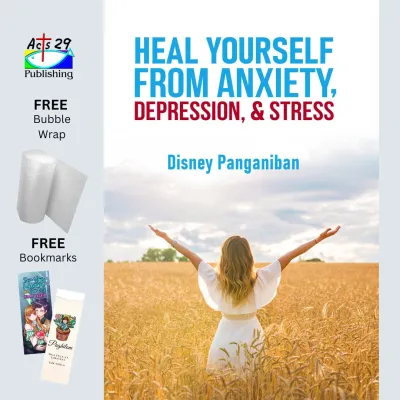
Prices are valid at publication and may change. Please refer to the product page for the latest price.
Cultural factors heavily influence how we experience and process these struggles. In many Filipino households, personal boundaries are fluid, and the pressure to succeed is often tied to supporting extended family members. This collectivist mindset can make individual struggles feel like communal failures, leading to deep-seated guilt. Recognizing whether your distress is driven by internal expectations or external family pressures is a crucial step in selecting a book that addresses your actual lived experience.
Finally, define what healing means for you at this moment. Are you looking for immediate, practical coping mechanisms to get through a stressful commute and a demanding workweek? Or are you ready to engage in deep psychological processing to heal childhood wounds or generational trauma? Clarifying this goal helps you choose between a highly actionable workbook with daily exercises and a deeper, theory-based psychological text.
Criteria for Choosing Culturally Relevant Self-Healing Books
Western self-help literature often champions radical individualism, advising readers to cut off difficult people or focus entirely on personal desires. While these boundaries are valuable, they can be incredibly difficult to implement when living in a multi-generational household or a close-knit community. When evaluating a self-healing book, look for authors who understand collectivist family dynamics. The ideal book should offer strategies for maintaining your mental peace while preserving important familial and communal connections.

Examine the author’s background and the case studies included in the book. Authors who have worked within Asian or collectivist contexts are more likely to offer relatable advice. If the book features case studies, check if they reflect situations you recognize, such as balancing career aspirations with filial piety, navigating hierarchical workplaces, or managing the emotional toll of financial caretaking. If the examples feel entirely disconnected from your daily reality, the advice may be difficult to translate into practical action.
Additionally, ensure the book’s recommendations align with local resources and support systems. A book that constantly suggests expensive therapy retreats, niche wellness products, or lifestyle changes that require a complete departure from your daily routine is of limited use. Instead, prioritize books that offer accessible, low-cost, or free self-regulation tools. The advice should be practical enough to practice in a shared bedroom or during a long commute, making mental wellness an achievable part of your everyday life.
Matching Book Themes to Specific Emotional Challenges
Selecting the right book requires matching your specific emotional hurdle with the appropriate psychological framework. Different struggles require different therapeutic approaches, and understanding these themes will guide you to the most effective reading material.
Navigating Burnout and Workplace Stress
Workplace stress in local environments is often compounded by hierarchical corporate cultures and the pressure of being a financial provider. When looking for books to address burnout, seek frameworks that teach boundary-setting within high-context, respectful communication styles. The advice must help you say “no” or manage workloads without causing severe social friction or risking your employment.
Look for strategies that directly address “hustle culture” and the unique guilt of resting when others depend on you. A helpful book on burnout should go beyond simple time-management tips. It should offer a systemic analysis of why we overwork and provide actionable rest protocols that fit into a busy lifestyle. Avoid books that rely solely on superficial motivational quotes; instead, prioritize those that offer concrete steps to rebuild your physical and mental energy.
Processing Grief and Family Expectations
Grief is a complex journey, especially in a culture where mourning is highly communal and extended family members are deeply involved. When choosing a book to help process loss, prioritize materials that acknowledge the role of community and shared grief. The book should respect the collective nature of mourning while still giving you the permission and space to process your personal pain individually.
Furthermore, look for books that address the specific guilt associated with prioritizing your own mental health over family obligations. Emotional inheritance—the passing down of trauma, expectations, and coping mechanisms through generations—is a powerful force. The right book should help you identify these inherited patterns and offer gentle ways to break cycles of trauma without feeling like you are betraying your family. It should also respect local spiritual or religious coping mechanisms, integrating psychological science with a respectful understanding of faith.
Managing Anxiety and Daily Overwhelm
Daily anxiety in bustling urban environments requires immediate, accessible tools for emotional regulation. When selecting a book for anxiety, look for somatic or mindfulness practices that do not require absolute silence or isolation. In a multi-generational household, finding a quiet room for an hour of meditation is often impossible. Books that offer quick, physical grounding techniques—such as breathing exercises or sensory awareness—are far more practical.
The book should also address cognitive reframing within the context of community judgment and societal expectations. In close-knit neighborhoods, the fear of what others will say can be a major source of anxiety. Look for psychological tools that help you detach your self-worth from external opinions. Avoid books that promise quick fixes or instant calm; instead, focus on those that teach sustainable, long-term emotional regulation and help you build resilience against daily stressors.
Pre-Purchase Checklist: Formats, Editions, and Accessibility
Before purchasing your chosen book, it is essential to verify the edition, format, and source to ensure a high-quality reading experience.
- Verify the Edition and Language: Decide whether you prefer the original English text or a localized, bilingual edition. If choosing a translated or localized version, check reader reviews to ensure the translation maintains the psychological accuracy and emotional nuance of the original work.
- Assess Format and Durability: Consider your reading environment. If you live in a high-humidity tropical climate, cheap paperback bindings can deteriorate quickly, and pages may warp. If you plan to read during long commutes, a durable paperback, a lightweight e-reader, or an audiobook format may be more practical. For audiobooks, listen to a sample first to ensure the narrator's tone and pacing are soothing and engaging.
- Confirm Authorized Sellers: Always purchase from official, authorized bookstores or reputable local distributors. Avoid purchasing extremely cheap copies from unverified online sellers, as these are often pirated editions. Pirated books frequently suffer from missing chapters, severe printing errors, illegible text, and poor binding that falls apart after a single reading. Investing in an authorized copy ensures you receive the complete, accurate text while supporting the authors and publishers who create these vital resources. Expect to spend around ₱300 to ₱900 for a genuine, high-quality paperback edition.
Frequently Asked Questions (FAQ)
Can I rely on translated self-help books, or should I read the original English version?
Both options have distinct advantages depending on your reading preferences and language comfort. Original English editions are excellent for preserving precise psychological terminology and the author’s exact phrasing. However, localized or bilingual translations often carry a deeper emotional resonance, as they use culturally familiar idioms and expressions that make the concepts feel more personal. To make the best choice, read a sample page or check online reviews to evaluate the translation quality. If the translation feels natural and retains the core psychological concepts without oversimplifying them, it can be an incredibly powerful tool for your healing journey.
How do I know if a self-help book is a substitute for professional therapy?
A self-help book is a valuable tool for personal growth, self-reflection, and learning basic coping mechanisms, but it is never a substitute for professional mental health care. Books are designed for self-guided learning and cannot provide personalized clinical assessments, diagnose mental health conditions, or offer support during an acute crisis. If you are experiencing symptoms of clinical depression, severe trauma, persistent anxiety that interferes with daily functioning, or thoughts of self-harm, you should stop relying solely on books and seek immediate help from a licensed mental health professional. Local resources, such as the National Center for Mental Health hotline or community health centers, can provide the personalized, professional support you need.
Community discussion
Share your experience or ask a question. Comments are reviewed before publication.