
Embarking on a journey of self-discovery and healing is a deeply personal endeavor, especially when navigating the complex emotional landscapes of modern life. For many, literature serves as a gentle, accessible entry point into understanding mental health, processing past hurts, and developing healthier coping mechanisms. When you seek a guide that heals to the emotional core, a book must speak to your specific lived experiences and offer practical, compassionate guidance. However, it is essential to recognize that while books offer valuable psychoeducation and comfort, they are supplementary tools and cannot replace the personalized care of a licensed mental health professional.
In the Philippines, the pursuit of emotional wellness often intersects with unique cultural values, close-knit family structures, and distinct societal expectations. Finding literature that resonates requires looking beyond universal self-help tropes to find concepts that can be realistically applied to your daily life. Whether you are dealing with the exhaustion of a demanding career, navigating generational expectations, or coping with a major life transition, the right book can provide the language you need to understand your feelings. By learning how to identify your specific needs and evaluate potential reads, you can build a safe, supportive, and sustainable reading practice.
Understanding Your Emotional Healing Needs
Before diving into the vast sea of self-help literature, it is crucial to clarify what specific areas of your emotional well-being require attention. Emotional distress is not a one-size-fits-all experience; a book designed to help someone manage acute grief may not offer the practical boundary-setting tools needed by someone experiencing workplace burnout. Take time to reflect on whether your current struggle stems from a recent, sudden life change, chronic daily stressors, or long-standing patterns that trace back to your childhood. Pinpointing the nature of your distress allows you to narrow your search to books that offer targeted, relevant guidance.
Products mentioned in this guide
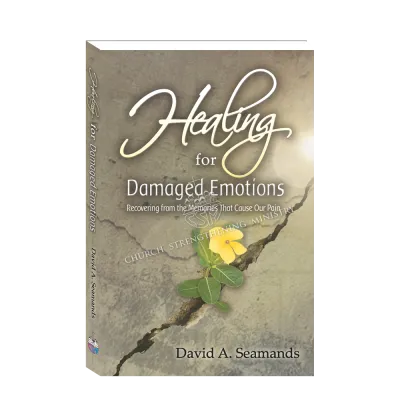
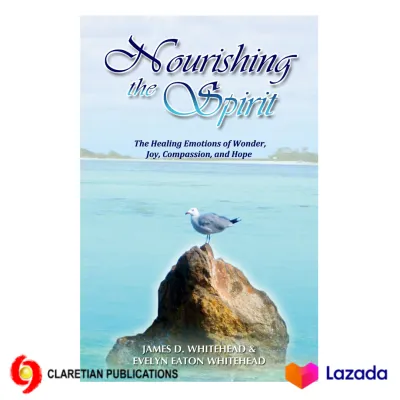
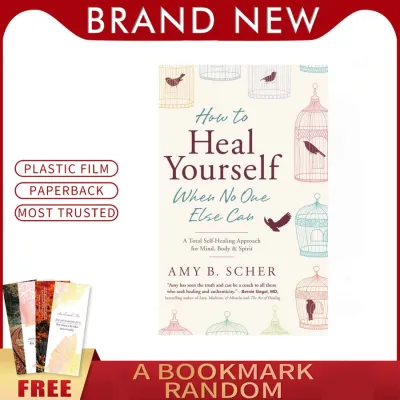
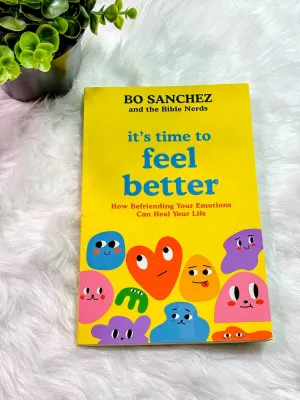
![[Brand New] Healing the Soul of a Woman Study Guide: How to Overcome Your Emotional Wounds by Joyce Meyer (Paperback)](https://img.lazcdn.com/g/p/f1bb6364c40c207f30bb6329c94943a9.jpg_400x400q80.jpg_.webp)
Prices are valid at publication and may change. Please refer to the product page for the latest price.
For readers in the Philippines, this self-reflection often involves examining how cultural dynamics influence personal well-being. Local concepts such as harmony and debt of gratitude can sometimes create complex emotional pressures, making it difficult to establish healthy personal boundaries without feeling guilt. Additionally, the collective nature of many households means that personal struggles are rarely experienced in isolation, often involving extended family expectations or caregiving responsibilities. Recognizing how these cultural factors shape your stress or anxiety is a vital step in selecting a book that offers realistic, culturally sensitive advice.
Furthermore, understanding your preferred learning style will help you choose a book format that you will actually finish and benefit from. Some readers thrive with highly interactive workbooks that feature written prompts, self-assessments, and daily exercises to actively process their thoughts. Others prefer narrative-driven memoirs, where they can find solace and validation in another person’s lived experiences and recovery journey. Alternatively, if you prefer to understand the science behind your emotions, clinical or psychological guides written by therapists and researchers can provide structured, evidence-based explanations of cognitive patterns and behavioral changes.
Key Themes in Self-Help Books for Emotional Recovery
Self-help and mental wellness literature covers a broad spectrum of topics, each utilizing different methodologies to guide readers toward recovery. To make your search more manageable, it helps to categorize these books into distinct themes based on the primary challenges they address. By focusing on the specific theme that aligns with your current emotional state, you can avoid the overwhelm of trying to digest too many conflicting philosophies at once.

Navigating Grief, Loss, and Life Transitions
Grief is a deeply personal, non-linear process that rarely conforms to neat stages or predictable timelines. When looking for books on bereavement, divorce, or major life transitions, seek out authors who validate the messy reality of loss rather than offering superficial, quick-fix solutions. A supportive book on grief should emphasize that healing does not mean forgetting or moving on completely, but rather learning to carry the loss while slowly rebuilding a meaningful life.
It is also beneficial to look for literature that balances emotional validation with practical grounding techniques. While philosophical reflections on life and death can offer comfort, you also need actionable strategies to manage the physical and cognitive symptoms of acute grief, such as brain fog, sleep disturbances, and sudden emotional waves. In a local context where community mourning and family-centered rituals are prominent, books that acknowledge the social dimensions of grief can help you navigate both your private sorrow and your public role within your family and community.
Managing Daily Stress, Burnout, and Overwhelm
In today’s fast-paced environment, chronic stress and burnout have become incredibly common, particularly for professionals navigating long commutes, high-pressure work environments, or demanding shift work. Books focusing on stress management should offer realistic strategies for emotional regulation, nervous system regulation, and cognitive restructuring. Look for resources that help you identify the early warning signs of physical and mental exhaustion before they escalate into severe anxiety or depressive states.
When evaluating these books, consider whether the proposed coping mechanisms are practical within your actual living and working conditions. For instance, advice that relies heavily on complete isolation, expensive wellness retreats, or drastic lifestyle changes may not be feasible if you live in a bustling multi-generational household or work rigid hours. Instead, prioritize books that teach micro-habits, brief mindfulness exercises, and realistic boundary-setting techniques that can be seamlessly integrated into a busy daily routine without causing additional stress.
Processing Past Experiences and Family Dynamics
Many emotional struggles in adulthood are rooted in childhood experiences, generational patterns, and early family dynamics. Books that focus on inner child work, attachment styles, and family systems can help you unpack how your upbringing influences your current relationship patterns and self-esteem. These resources provide valuable frameworks for identifying unhealthy behaviors, such as people-pleasing or emotional suppression, which may have developed as survival mechanisms in your youth.
However, it is important to choose books that approach family dynamics with nuance, especially within cultures that place a high value on filial piety and family unity. Some Western self-help books advocate for immediate, complete estrangement as the primary solution to toxic family relationships, which can feel deeply alienating or practically impossible for many local readers. Look for authors who offer strategies for maintaining emotional differentiation, setting firm but compassionate boundaries, and protecting your mental peace while remaining engaged with your family when complete distance is not an option.
How to Evaluate and Select a Book Before Buying
With thousands of mental health and self-help titles available on the market, selecting the right one requires a thoughtful evaluation process to ensure you invest your time and money wisely. Before making a purchase, it is highly recommended to run through a quick checklist to verify the book’s credibility, format, and suitability for your current mental state.
First, carefully examine the author’s credentials and professional background. While memoirs written by individuals with lived experience can offer profound empathy and connection, books offering clinical advice, therapeutic exercises, or psychological frameworks should ideally be authored by licensed therapists, clinical psychologists, psychiatrists, or established researchers. Check the author’s biography, look for professional endorsements from recognized mental health organizations, and verify that their methods are grounded in established psychological practices such as Cognitive Behavioral Therapy (CBT) or Acceptance and Commitment Therapy (ACT).
Second, perform format and edition checks to ensure the book fits your lifestyle and reading preferences. Consider whether you prefer a physical paperback, an e-book for your digital reader, or an audiobook to listen to during your daily commute. If you choose physical books, keep in mind that the high humidity of a tropical climate can cause pages to yellow or develop mold over time, so proper storage in a dry, well-ventilated area is essential. Additionally, verify the language and translation quality; some readers find that books written in or translated into local languages or familiar Taglish offer a more immediate, comforting connection than dense, academic English.
Third, take advantage of content previews before committing to a full read. Most online bookstores and digital platforms allow you to read a sample chapter, the introduction, or the table of contents. Use this preview to assess the author’s tone—ensure it feels supportive, non-judgmental, and constructive. Pay close attention to whether the material feels too intense or triggering for your current emotional state; if a sample chapter leaves you feeling highly anxious or overwhelmed, it may be a sign that you are not yet ready for this specific book and should look for a gentler introduction to the topic.
Finally, ensure you are purchasing from authorized bookstores, official publishers, or verified flagship stores on reputable ecommerce platforms. The local market often sees an influx of unauthorized, pirated, or poorly scanned digital and physical copies, which may contain missing pages, severe printing errors, or inaccurate translations that can disrupt your reading experience. Investing in a genuine copy, which typically ranges from ₱300 to ₱900 depending on the format and publisher, ensures you receive the complete, high-quality content as intended by the author while supporting the creators and publishers who produce these vital resources.
Building a Sustainable Reading Habit for Mental Wellness
Engaging with emotional healing literature is not the same as reading a fictional novel or a light beach read; it requires active cognitive effort and emotional vulnerability. To prevent yourself from becoming overwhelmed by heavy themes, it is essential to establish a sustainable, mindful reading habit that prioritizes your mental well-being over speed or completion rates.
Set a realistic, gentle pace for your reading journey. Rather than trying to finish a book in a weekend, commit to reading just one chapter or completing a single workbook exercise per week. This slow pacing gives your mind and nervous system the necessary time to digest the concepts, reflect on how they apply to your life, and practice any recommended coping strategies in real-world situations. Healing is a gradual process, and rushing through self-help material can lead to cognitive fatigue and emotional burnout.
Creating a dedicated, comfortable space for your reading sessions can also significantly enhance your experience. Find a quiet corner of your home, perhaps near a window to catch a natural breeze or in a well-lit room with a fan, where you can read without constant interruptions. Having a designated space helps signal to your brain that this is a safe, quiet time for self-reflection. Keep a journal and a pen nearby so you can jot down thoughts, emotional reactions, or personal insights that arise while you read.
Most importantly, learn to recognize your personal boundaries and know when to pause. If a chapter brings up intense feelings of distress, physical tension, or unmanageable memories, close the book and step away. It is entirely normal to feel triggered by certain topics, and forcing yourself to push through can be counterproductive to your healing. If you find that the material consistently brings up deep-seated trauma or severe anxiety that you cannot manage on your own, prioritize seeking professional counseling. A licensed therapist can provide the structured, personalized support needed to navigate these complex emotions safely.
Frequently Asked Questions (FAQ)
Can reading self-help books replace professional therapy?
No, reading self-help books cannot replace professional therapy. While books are excellent tools for psychoeducation, self-reflection, and learning general coping strategies, they are static resources that cannot diagnose mental health conditions, provide personalized clinical feedback, or guide you through severe trauma. If you are experiencing persistent symptoms of clinical depression, severe anxiety, or unmanaged trauma, it is highly recommended to consult a licensed mental health professional in the Philippines who can tailor a treatment plan to your specific needs.
How do I know if a book is culturally relevant to my experiences?
To assess cultural relevance, look for reviews and recommendations from local readers, mental health advocates, or book clubs within the Philippines. Pay attention to whether the book’s core advice respects collective family structures and local societal realities, or if it relies solely on highly individualistic Western concepts that may be difficult to implement in a shared household. You can also look for books written by Southeast Asian authors or local mental health professionals who naturally integrate regional cultural nuances into their psychological advice.
What should I do if a book makes me feel worse?
If a book triggers intense emotional distress, anxiety, or physical discomfort, stop reading immediately. Close the book and practice grounding techniques, such as the 5-4-3-2-1 sensory method or deep diaphragmatic breathing, to help calm your nervous system. Reach out to a trusted friend, family member, or a local mental health helpline if the feelings of distress persist. Remember that healing is not about forcing yourself through painful content; it is about pacing yourself and seeking professional support when the journey becomes too heavy to navigate alone.

Community discussion
Share your experience or ask a question. Comments are reviewed before publication.