
Finding a reliable book to heal yourself from anxiety requires more than just picking a bestseller. Because anxiety manifests differently in everyone, the most effective self-help literature depends on your specific symptoms, preferred learning style, and the therapeutic framework that resonates with you. This guide provides a structured approach to evaluating, selecting, and sourcing high-quality anxiety self-help books available in the Philippines, ensuring you invest in resources that offer credible, actionable support.
Understanding Your Anxiety Needs Before Choosing a Book
Anxiety is not a uniform experience; it is a spectrum ranging from mild, constant background worry to sudden, overwhelming physical sensations. Before browsing bookstore shelves or online catalogs, identify how your anxiety primarily presents itself. If you experience persistent, uncontrollable worry about everyday matters like work, health, or family, your needs align with literature addressing generalized anxiety. If your distress peaks during social gatherings or public speaking, books focusing specifically on social anxiety will offer more targeted strategies.
For those who experience sudden, intense waves of fear accompanied by physical symptoms like a racing heart or dizziness, resources dedicated to panic disorders are essential. These books focus heavily on de-escalating physical sensations and breaking the “fear-of-fear” cycle. Similarly, if your anxiety is tied to specific objects or situations, literature on phobias and systematic desensitization provides the most relevant tools. Choosing a book that targets your specific subtype prevents you from wasting energy on advice that does not address your daily challenges.
Products mentioned in this guide
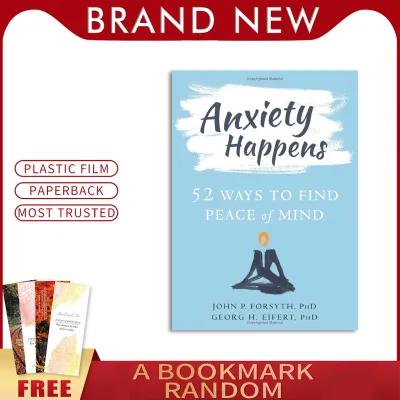
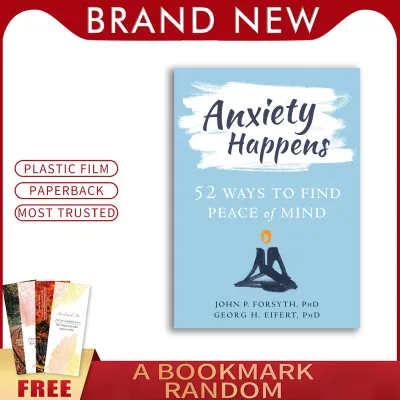
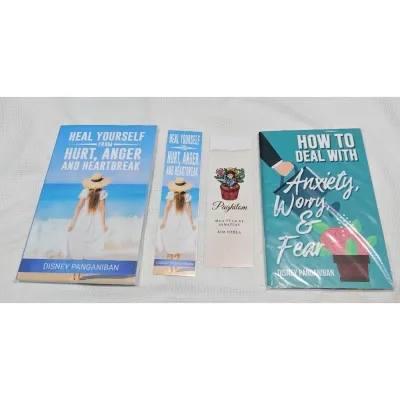
Prices are valid at publication and may change. Please refer to the product page for the latest price.
Your personal learning style also dictates how effectively you will absorb and apply a book’s teachings. Some readers thrive on highly structured, analytical workbooks that require daily writing and objective self-assessment. Others prefer narrative-driven books that share relatable stories of recovery, which can reduce feelings of isolation. If you are naturally analytical, you might prefer psychoeducational texts that explain the neurological mechanisms behind the fight-or-flight response. Identifying whether you need a practical manual, an empathetic memoir, or a scientific explanation helps narrow down your options.
It is equally vital to recognize the boundary between everyday stress management and clinical anxiety. While self-help books are excellent tools for building resilience and learning coping mechanisms, they are not universal cures. If your anxiety severely impairs your ability to work, maintain relationships, or perform daily tasks, self-help literature should serve as a supplement to, rather than a replacement for, professional clinical care. Recognizing when you need the guidance of a licensed psychologist or psychiatrist is the most crucial step in your healing journey.
Key Criteria for Evaluating Anxiety Self-Help Books
The self-help market is vast, and not all publications are created equal. To ensure you invest your time and emotional energy into credible resources, establish a strict evaluation process. The first and most critical criterion is the author’s professional credentials. Look for books written or co-authored by licensed clinical psychologists, psychiatrists, or established researchers in mental health. Authors with clinical degrees (such as a PhD, PsyD, or MD) and active clinical practices are more likely to present evidence-based strategies tested in real-world therapeutic settings.

Next, verify the publication date and the specific edition of the book. Psychological science evolves continuously, with clinical frameworks and diagnostic criteria updated regularly to reflect new research. A book published within the last decade is more likely to incorporate contemporary understandings of neurobiology, trauma-informed care, and modern stressors. If you are considering a classic text, check if a revised or updated edition is available, as these often contain refined exercises and updated terminology that align with current clinical standards.
An effective self-help book should offer more than passive reading; it must provide actionable elements that facilitate behavioral change. When evaluating a book, look at its table of contents or preview its pages to check for practical tools. These may include structured worksheets, daily mood trackers, cognitive restructuring templates, reflection prompts, or step-by-step exposure plans. A book that guides you through active exercises helps translate theoretical knowledge into practical, daily habits, which is essential for rewiring anxious thought patterns.
Finally, consider the format options and their compatibility with your lifestyle and local availability. Physical books are excellent for those who like to highlight text, write in margins, and physically engage with worksheets. However, high-quality imported paperbacks can sometimes be difficult to source locally or may require long shipping times. E-books offer immediate access and adjustable font sizes, making them highly convenient for reading on mobile devices or e-readers, though completing interactive worksheets may require a separate notebook. Audiobooks are ideal for auditory learners or those with busy schedules, but they lack the visual structure of written exercises, meaning you may need to download supplementary PDF materials often provided by the publisher.
Major Therapeutic Approaches in Anxiety Literature
Self-help books are typically grounded in specific clinical frameworks, each offering a unique lens through which to understand and manage anxiety. Matching the book’s underlying therapeutic approach to your personal mindset and coping style is key to achieving positive outcomes. If you try a book and find it unhelpful, it may not be a failure of the self-help process itself, but rather a mismatch between your needs and the therapeutic framework used by the author. Understanding these primary approaches allows you to make an informed choice.
Cognitive Behavioral Therapy (CBT) and Exposure Techniques
Cognitive Behavioral Therapy (CBT) is one of the most widely researched and utilized frameworks for managing anxiety. CBT-based books operate on the premise that our thoughts, feelings, and behaviors are interconnected. When you experience anxiety, it is often driven by cognitive distortions—unhelpful, automatic thought patterns such as catastrophizing, overgeneralization, or mind-reading. CBT literature teaches you to identify these distortions, challenge their validity using objective evidence, and replace them with more balanced, realistic perspectives.
In a CBT workbook, you can expect to find highly structured tools designed to systematically dismantle anxious behaviors. These typically include thought records, where you document an anxiety-inducing event, your automatic thoughts, the resulting emotions, and a rational alternative thought. Additionally, CBT books often emphasize exposure techniques, guiding you to create a gradual exposure hierarchy. This involves identifying situations you avoid due to anxiety and systematically facing them, starting with the least intimidating scenario, to teach your brain that the feared outcome is unlikely to occur.
This highly structured, analytical, and logic-driven approach is ideal for readers who appreciate clear instructions, concrete homework assignments, and measurable progress. If you prefer a systematic method that treats recovery as a series of practical problems to solve, CBT-based literature is highly suitable. It provides a clear roadmap and objective metrics to track your improvement over time.
Mindfulness, Acceptance, and Somatic Practices
For readers who find highly analytical exercises overwhelming or rigid, mindfulness and acceptance-based frameworks offer a gentler, more reflective path. Acceptance and Commitment Therapy (ACT) is a prominent framework in this category. Rather than trying to actively change or eliminate anxious thoughts, ACT teaches you to accept them as temporary mental events. By developing mindfulness, you learn to observe your anxiety without judgment, recognizing that thoughts are not facts, and commit to taking actions that align with your core values despite the presence of discomfort.
Somatic practices focus on the physical dimension of anxiety, recognizing that the body often stores stress and tension long before the mind registers conscious worry. Books in this category emphasize nervous system regulation through physical interventions. You will find exercises dedicated to deep diaphragmatic breathing, progressive muscle relaxation, grounding techniques, and somatic tracking. These practices aim to shift your autonomic nervous system out of a sympathetic “fight-or-flight” state and into a parasympathetic “rest-and-digest” state, providing immediate physical relief from tension.
This approach is ideal for readers who experience significant physical symptoms of anxiety, such as muscle tightness, shallow breathing, or gastrointestinal distress. It also appeals to individuals who prefer a holistic, compassionate, and less clinical tone. If you value self-compassion, emotional regulation, and learning to coexist peacefully with your internal experiences, mindfulness and somatic-focused books provide a supportive framework.
Where and How to Source Books in the Philippines
Sourcing authentic, high-quality self-help books in the Philippines requires careful navigation of both physical and digital retail spaces. When shopping on major e-commerce platforms and online marketplaces, you must be vigilant against counterfeit or unauthorized printings. Pirated books are common online; they often suffer from missing pages, illegible text, poor binding, and low-quality paper, which can ruin the reading experience and omit crucial therapeutic worksheets. To avoid this, always check for official store badges, read detailed customer reviews with photos, and verify the seller’s rating before making a purchase. Genuine distributors and established local book retailers often maintain official storefronts on these platforms, ensuring you receive authorized editions.
Visiting local physical bookstores remains an excellent way to evaluate a book before committing to a purchase. Browsing physical shelves allows you to feel the paper quality, check the layout of the worksheets, and read the introduction to see if the author’s tone resonates with you. If a specific international title is out of stock, many local bookstores offer reservation or special order services. Additionally, university libraries and public libraries in major metropolitan areas can be valuable resources for borrowing or previewing academic and clinical self-help texts without upfront costs.
When purchasing online, always verify the book’s exact International Standard Book Number (ISBN) and language edition. Some international bestsellers have different editions tailored for specific regions, which may affect the spelling, cultural references, or supplementary digital resources included with the book. Ensuring you have the correct ISBN guarantees that you are purchasing the complete, unabridged version intended by the author, rather than a condensed summary or an unauthorized translation.
Budgeting for self-help books in the Philippines involves understanding the price differences between various formats and editions. Imported, high-quality paperbacks and clinical workbooks typically range from ₱500 to ₱1,500, depending on the publisher and import costs. Locally printed or licensed editions of popular titles may be available at lower price points, often ranging from ₱300 to ₱600, though they may use lighter paper stock. If you choose to order directly from international retailers, be sure to factor in international shipping fees and potential customs processing times, which can add to the overall cost and delay your access to the material.
Building Your Personalized Reading and Action Plan
Acquiring a self-help book is only the first step; the true healing begins when you actively integrate its concepts into your daily life. It is essential to set realistic expectations regarding your pace of progress. Healing from anxiety is not a linear journey, and reading a book cover-to-cover in a single weekend will not instantly resolve long-standing behavioral patterns. Expect to invest significant emotional effort, and understand that some exercises may temporarily increase your discomfort as you confront anxious thoughts and avoidance behaviors.
To prevent overwhelm and encourage long-term habit formation, establish a consistent and manageable reading and practice schedule. Rather than attempting long, sporadic study sessions, dedicate a specific, quiet time each day—such as fifteen minutes in the morning or before bed—to read a few pages and complete one exercise. Treat this time as a non-negotiable appointment with your well-being. Keep a dedicated journal or notebook alongside your book to write down your reflections, track your progress, and complete worksheets without cluttering the book itself.
Finally, establish clear stop-conditions for your self-directed reading plan. Self-help books are powerful educational tools, but they have limitations. If you find that your anxiety symptoms worsen, stagnate, or begin to cause severe distress despite consistently applying the book’s exercises, it is time to pause your reading and seek professional help. A licensed mental health professional can provide personalized assessment, tailor interventions to your unique history, and offer the clinical support necessary for safe and sustainable recovery.
Frequently Asked Questions (FAQ)
Can a self-help book replace professional therapy for severe anxiety?
No, a self-help book cannot replace professional therapy for severe or complex anxiety. While bibliotherapy is a highly valuable tool for mild to moderate anxiety, self-directed reading lacks the personalized assessment, real-time feedback, and clinical safety nets provided by a licensed therapist. If you experience severe impairment in daily functioning, frequent panic attacks, or thoughts of self-harm, these are critical indicators that require immediate professional intervention rather than self-guided reading.
Are workbooks more effective than standard reading books for anxiety?
Workbooks are often more effective for active skill-building and behavioral change because they require you to write, track progress, and engage directly with therapeutic exercises. However, standard narrative or psychoeducational books are highly valuable for initial understanding, reducing stigma, and building empathy. For many readers, a combination of both formats works best: starting with a narrative book to understand the nature of anxiety, followed by a structured workbook to practice daily coping strategies.
Community discussion
Share your experience or ask a question. Comments are reviewed before publication.