
Finding the right books to read in the digital age can feel overwhelming with thousands of new titles uploaded daily. The most reliable way to discover popular eBooks across genres is to combine real-time bestseller charts with community-driven verification methods. By looking beyond simple star ratings and understanding how different digital formats work, you can curate a personalized digital library that perfectly matches your reading preferences, budget, and device.
Quick Guide to Discovering Trending eBooks
To find the most engaging books to read right now, start by navigating the dynamic bestseller charts on major eBook platforms. These charts are updated frequently, often hourly, reflecting real-time purchasing behavior. However, do not limit yourself to the overall top 100 list. Dive deep into specific genre categories and subcategories, where niche hits and highly focused titles often emerge before they gain mainstream attention.
Digital reading communities and review aggregators are invaluable for spotting emerging hits. Platforms dedicated to book reviews allow readers to log their current reads, write detailed reviews, and participate in reading challenges. By monitoring trending lists, community discussion boards, and viral reading tags on social media, you can identify books that are generating genuine word-of-mouth excitement rather than just marketing hype.
Products mentioned in this guide

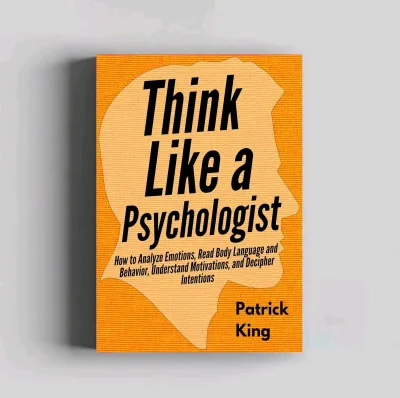
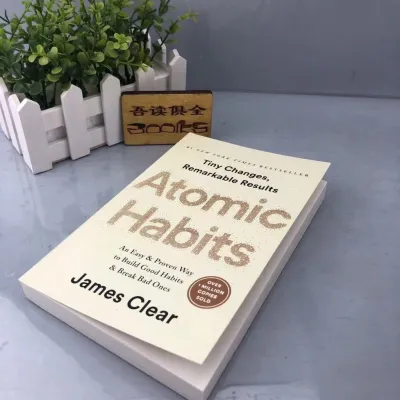
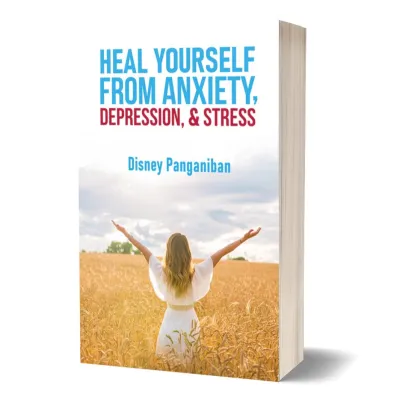
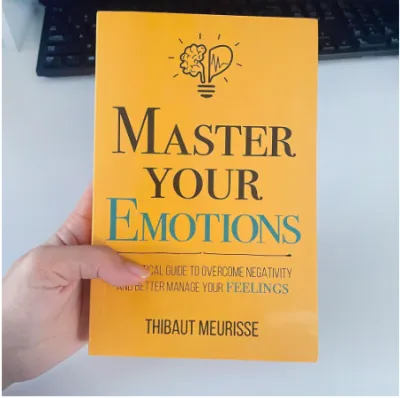
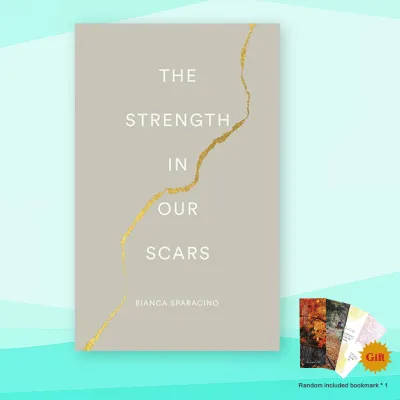

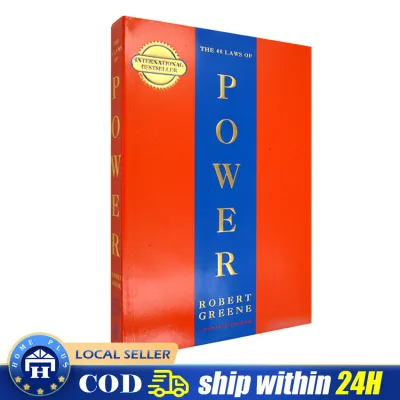
Prices are valid at publication and may change. Please refer to the product page for the latest price.
Finally, leverage the algorithmic power of your preferred reading apps by setting up personalized recommendation feeds. Most digital bookstores analyze your past reading history, genre preferences, and even the speed at which you finish books to suggest similar titles. Regularly updating your reading preferences, rating books you have finished, and downloading free samples will train these algorithms to deliver highly accurate, tailored recommendations directly to your device.
How to Verify eBook Popularity and Quality
With the ease of self-publishing and digital distribution, bestseller lists can sometimes be influenced by short-term promotional campaigns or coordinated rating efforts. To ensure you are investing your time and money in high-quality books to read, look beyond the overall star rating. Focus on verified purchase reviews, which indicate that the reviewer actually acquired the book through the platform. Read both the highly positive and the critical reviews to get a balanced perspective on the book’s strengths and weaknesses.

Cross-referencing popularity signals across multiple online bookstores and digital libraries is another excellent way to verify quality. If a book is trending on a major global retail platform, check if it also has active discussion threads on independent reader forums or high reservation numbers on digital library apps. A book that maintains a strong presence across diverse, unrelated platforms is highly likely to offer a satisfying reading experience.
Long-term reader retention signals provide the ultimate proof of a book’s quality. Look for indicators such as high completion rates, which some reading platforms display, or active community read-alongs. When readers consistently finish a book rather than abandoning it after the first few chapters, it suggests compelling pacing and strong writing. Engaging in digital book clubs where members discuss plot points chapter-by-chapter is a great way to gauge whether a book has the depth to sustain your interest.
Exploring Top eBook Categories and Selection Criteria
Fiction and Literary Thrillers
When searching for narrative-driven books to read, evaluating the pacing, character development, and plot structure is essential before committing to a purchase. Most digital bookstores allow you to download a free sample, typically the first ten percent of the book. Use this sample to assess the author’s writing style and see if the narrative hook grabs your attention. Pay attention to how naturally the dialogue flows and whether the characters feel multi-dimensional.
Another crucial consideration is whether the eBook is a standalone novel or part of an ongoing series. Standalone books offer immediate resolution, making them perfect for quick weekend reads. On the other hand, a series requires a larger time commitment but offers deeper world-building and long-term character arcs. Check the book’s metadata to see if it is labeled as part of a series, helping you manage your reading schedule effectively.
To narrow down your choices, utilize specific content tags provided by publishers and readers. Instead of browsing broad fiction categories, look for precise subgenres such as psychological suspense, hard science fiction, or historical mystery. These tags help you align your selection with your exact mood, ensuring you find a story that matches your current narrative preferences.
Self-Help and Personal Development
Non-fiction and self-improvement eBooks require a different evaluation framework, focusing primarily on credibility and practical application. Start by verifying the author’s credentials, professional background, and academic or industry experience. A reputable author should have verifiable expertise in the subject matter they are writing about, often backed by cited research, clinical studies, or a long career in the field.
It is also important to distinguish between actionable frameworks and purely theoretical or anecdotal content. High-quality self-help books to read offer clear, step-by-step exercises, worksheets, or cognitive tools that you can apply to your daily life. Scan the table of contents and the introductory sample to see if the author provides a structured methodology or if the book relies heavily on repetitive personal stories and vague motivational advice.
Additionally, check the publication and revision dates of the eBook. While some personal development principles are timeless, books dealing with productivity, technology, career strategies, or financial habits need to be current. Ensure that the statistics, case studies, and digital tools referenced in the book are still relevant to today’s fast-paced environment.
Romance and Contemporary Escapism
For readers seeking romance and lighthearted contemporary fiction, community-driven trope tags are the most effective way to find satisfying books to read. The romance community is highly organized, using specific labels like “enemies-to-lovers,” “fake relationship,” or “found family” to categorize stories. Searching for these tags on digital reading platforms or dedicated romance blogs allows you to find books that deliver the exact emotional dynamics you enjoy.
Understanding the heat levels and emotional tone of a romance novel is equally important. Publishers and reader-led review sites often provide indicators ranging from sweet and wholesome to highly passionate and explicit. Checking these descriptions, along with community-sourced content warnings, ensures that the book’s intensity and themes align with your personal comfort levels and reading preferences.
Instead of relying solely on general bestseller charts, which can be dominated by a few massive hits, explore curated lists from dedicated genre communities. Online forums, romance-focused newsletters, and digital book clubs often highlight hidden gems and mid-list authors who write exceptional stories but may not have the marketing budget of major publishing houses.
Ensuring Device Compatibility and Format Access
Before purchasing your next books to read, it is vital to understand the technical aspects of digital reading to avoid compatibility issues. Standard eBook formats like EPUB and PDF are widely supported across various devices, but some major platforms use proprietary formats designed specifically for their own e-readers and apps. Ensure that the store you are purchasing from matches the device or reading application you plan to use, as converting formats can sometimes ruin the book’s layout and formatting.
Digital Rights Management (DRM) is another critical factor to consider. DRM is a technology used by publishers to prevent unauthorized copying and distribution of digital content. However, it can also restrict your ability to transfer purchased eBooks between different devices or read them on third-party applications. If you prefer to keep your digital library consolidated in one place, look for DRM-free eBooks or ensure your primary reading device is compatible with the store’s specific DRM system.
Finally, consider your physical reading environment and device capabilities. In tropical climates like the Philippines, where high humidity and bright sunlight are common, choosing the right device is essential. E-paper screens are highly readable in direct sunlight, making them perfect for outdoor reading, whereas tablets and smartphones may suffer from glare. Ensure your reading app supports essential comfort features like adjustable font sizes, customizable margins, and a dark mode or warm light setting to reduce eye strain during late-night reading sessions.
Maximizing Value When Buying Digital Books
Building a robust digital library does not have to be expensive. One of the most cost-effective strategies is connecting digital library applications to your local library branches. Many public and institutional libraries offer digital lending services, allowing you to borrow popular eBooks for free directly to your e-reader or tablet. While there may be a waiting list for highly popular books to read, this is an excellent way to access premium content without spending a cent.
If you are a high-volume reader, comparing subscription models versus à la carte purchasing can save you a significant amount of money. Subscription services charge a flat monthly fee for unlimited access to a specific catalog of books. If you read multiple books a month, a subscription is highly economical. However, if you prefer to take your time with a single book over several weeks, purchasing books individually during sales is often the better financial choice.
To stretch your reading budget further, actively track platform-specific promotions, daily deals, and bundle offers. Many digital bookstores feature daily or weekly discounts where popular titles are temporarily priced as low as ₱50 to ₱150. Signing up for price-tracking newsletters and adding desired books to your wishlist will trigger automatic notifications when those titles go on sale, allowing you to build an impressive digital library affordably.
Frequently Asked Questions (FAQ)
Can I share my purchased eBooks with friends or family?
Yes, but the ability to share depends heavily on the platform you use and the book’s DRM restrictions. Many major digital bookstores offer family sharing features that allow you to link accounts and share eligible purchases with family members. Some platforms also allow you to lend a book to another user for a limited period, during which the book is temporarily locked on your device. Always check the platform’s specific sharing policies before purchasing.
What happens to my eBooks if an online store shuts down?
When you purchase an eBook, you are generally buying a license to read the content rather than owning the physical file itself. If an online store closes, you could potentially lose access to your cloud-stored library. To protect your collection, consider purchasing DRM-free eBooks when available and backing up the files to your personal computer or external storage. Using open-source library management software can help you organize and safeguard your digital books for long-term access.
Community discussion
Share your experience or ask a question. Comments are reviewed before publication.