
Finding the best value at a warehouse sale means looking beyond the initial discount sticker. The highest-value English and Tagalog novels are those that balance a low price per page with physical durability and high re-readability. In warehouse environments, books are often subjected to heat, humidity, and rough handling, making physical inspection just as critical as selecting the right literary genre. By focusing on sturdy formats, complete series, and verified editions, you can build a high-quality personal library that lasts for years without overstretching your budget.
Defining "Reading Value" for Discounted Novels
Evaluating a book’s true worth at a clearance event requires a shift from simple price comparison to calculating the cost-per-reading-hour. A cheap novel that falls apart on the first read or fails to engage your interest offers far less value than a slightly more expensive, durable volume that you will revisit multiple times. High-value purchases are those that align with your long-term reading habits, whether you are looking for quick entertainment or collectible editions for your shelves.
The physical format of a novel plays a major role in its overall longevity and reading comfort. Mass-market paperbacks are highly affordable and compact, but their tight bindings and acidic paper make them prone to yellowing and cracking, especially in warm, humid climates. Trade paperbacks offer a middle ground with larger text, better paper quality, and more flexible spines that withstand multiple readings. Hardcovers provide the ultimate durability and aesthetic appeal, making them excellent investments for your favorite authors, though they require more physical storage space and are heavier to carry.
Products mentioned in this guide
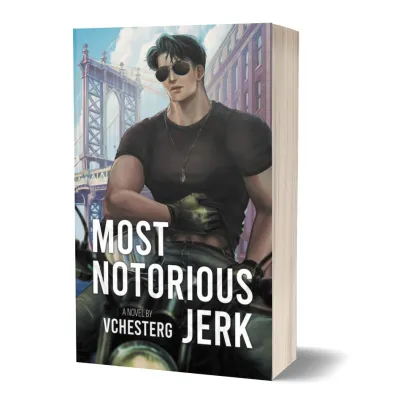
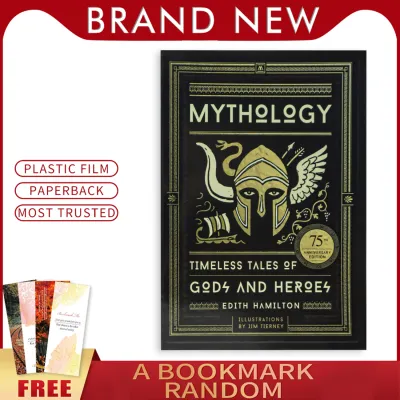
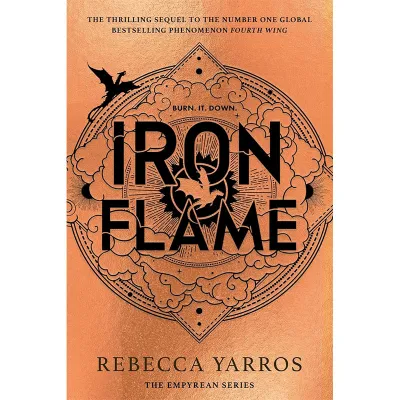
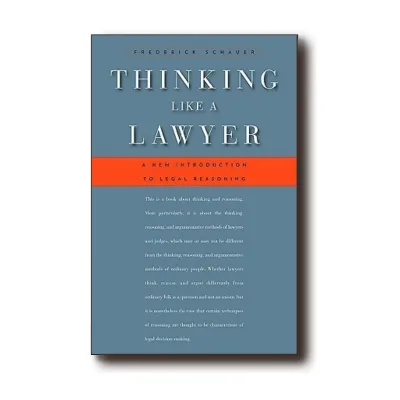

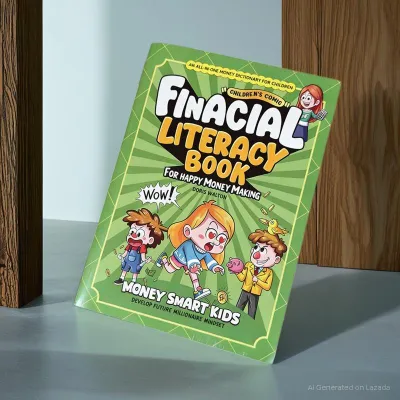
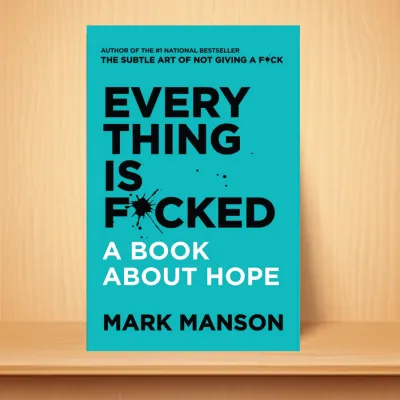
Prices are valid at publication and may change. Please refer to the product page for the latest price.
To maximize your subjective return on investment, clarify your personal reading goals before entering the sale venue. If your goal is to discover new authors, cheaper paperbacks allow for low-risk experimentation. If you are building a permanent home library, prioritizing durable trade paperbacks or hardcovers of classic and contemporary literature ensures your collection remains intact for years.
Navigating English Novels at Warehouse Sales
English fiction sections at warehouse sales are often massive, filled with everything from global bestsellers to obscure indie titles. To find the best value, start by comparing the physical editions available on the tables. Mass-market paperbacks of English thrillers or fantasy novels are often piled high, but their cheap glue can dry out quickly in tropical warehouse conditions. Opting for trade paperbacks when available ensures a more comfortable reading experience, as the larger font sizes and wider margins prevent eye strain during long reading sessions.

Another excellent way to secure high value is to search for complete series bundles or boxed sets. Warehouse sales frequently feature unsold stock of popular young adult, fantasy, or sci-fi trilogies grouped together at a single discounted price. Purchasing these sets together dramatically lowers the per-book cost and spares you the frustration of searching for missing sequels later on.
Understanding the origin of the inventory also helps you gauge the book’s condition and value. Many books at these sales are either publisher overstock or remaindered copies. Publisher overstock consists of brand-new, unread books that were printed in excess and shipped directly from warehouses, meaning they are usually in pristine condition. Remaindered copies are books returned from retail bookstores; while they are structurally sound, they often feature a small marker line or dot on the bottom edge, which is a standard industry practice that does not affect readability.
Spotting the Best Tagalog Novels and Pocketbooks
The landscape of Tagalog literature at warehouse sales offers a rich variety of formats, from classic romance pocketbooks to modern literary masterpieces. Tagalog romance pocketbooks are incredibly abundant and highly affordable, making them a staple of local reading culture. However, because these pocketbooks are traditionally printed on lightweight newsprint with basic glue bindings, you must inspect them closely. Look for copies with intact spines and flexible pages that have not become brittle from heat exposure, ensuring they can survive being passed around among family and friends.
For readers seeking deeper thematic content and greater physical durability, trade paperback Tagalog literary fiction and contemporary novels are outstanding choices. Local publishers have increasingly released high-quality trade editions of award-winning Tagalog dramas, historical fiction, and poetry collections. These books use superior paper stock that resists yellowing and feature robust bindings that preserve the work for long-term study and enjoyment.
You should also pay attention to language consistency to ensure the book matches your reading preferences. Some contemporary local novels are written in Taglish, which suits readers looking for casual, fast-paced dialogue. Others are written in formal, deep Tagalog, offering a richer linguistic experience. Checking a few random pages before heading to the cashier ensures the writing style aligns with your personal comfort level and vocabulary goals.
Essential Condition and Edition Checks Before Checkout
Before you finalize your purchase, a thorough physical inspection of each book is necessary to avoid bringing home damaged goods. Warehouse sales often store books in non-air-conditioned spaces where humidity can cause rapid deterioration. Check the edges of the pages for foxing, which appears as small brown spots caused by fungal growth on paper fibers. Avoid books with wavy pages or musty odors, as these are clear signs of water damage that can lead to mold, potentially ruining the other books on your shelves. Inspect the spine by gently flexing the book; if the glue cracks or pages begin to loose, the binding has already degraded.
Page completeness is another critical check that many excited buyers overlook. Open the book and flip through to verify that the first and last chapters are fully intact. Check for printing errors such as blank pages, misaligned text blocks, or sections where the paper was folded during the binding process and never trimmed. Ensure that no pages are stuck together, which is a common issue with books that have been exposed to high humidity or minor liquid spills during transit.
Finally, protect yourself from purchasing pirated editions, which frequently slip into unregulated secondary markets. Unauthorized copies are a poor investment because they use substandard materials that fall apart almost immediately. Look for red flags such as blurry or pixelated cover art, which indicates a scanned and reprinted cover. Inside, check for misaligned text, inconsistent margins, and unusually thin, greyish paper where the ink bleeds through to the other side. Genuine editions will always feature crisp typography, clear publisher logos, and a complete copyright page.
Building Your Budget-Friendly Reading Haul
A successful trip to a warehouse sale requires a strategic approach to avoid overspending on books you may never actually read. It is easy to get swept up in the excitement of low prices, but buying ten books you do not care for just because they are cheap is a poor use of resources. Start by setting a firm spending limit in ₱ before you step through the doors. This budget acts as a helpful constraint, forcing you to evaluate each book’s true appeal before adding it to your basket.
Remember to factor in the hidden costs associated with attending a physical sale. Heavy hauls of books require reliable transportation, so consider the cost of fuel, parking, or ride-sharing services when calculating your total expenditure. If you are purchasing from online warehouse clearance events on online marketplaces, pay close attention to shipping fees, as the weight of multiple novels can quickly inflate the final delivery cost and offset any savings you made on the cover prices.
To maintain focus amidst the chaotic tables of a warehouse sale, create a flexible shortlist of genres, authors, or specific titles you want to find. Having a plan prevents decision fatigue and helps you resist the temptation of impulse buys. If you find a book on your shortlist, it is a high-value win; if you find an unexpected treasure, compare it against your budget and existing pile to ensure your total checkout cost remains within your pre-determined limit.
Frequently Asked Questions (FAQ)
Are remainder marks on warehouse sale books a sign of poor quality?
No, remainder marks do not indicate poor quality or manufacturing defects. Publishers use these marks—typically a line or dot made with a felt-tip marker on the top or bottom edge of the book—to identify unsold inventory returned by retail bookstores. The mark simply prevents the book from being returned again for a full refund. The interior pages, binding, and cover of a remaindered book are identical to those of a standard retail copy, making them an exceptional value for budget-conscious readers.
How can I tell if a heavily discounted Tagalog pocketbook is pirated?
You can spot a pirated Tagalog pocketbook by examining its print quality and physical construction. Unauthorized copies often feature low-resolution, blurry cover images where the original publisher’s logo looks fuzzy or is missing entirely. The paper inside is usually extremely thin, rough, and grey, causing the text from the reverse side to show through clearly. Additionally, pirated pocketbooks often have weak, unevenly applied hot-melt glue on the spine, which causes pages to fall out as soon as you open the book wide.
Community discussion
Share your experience or ask a question. Comments are reviewed before publication.