
To find novels similar to Elsewhere Express in English or Tagalog, you must first identify the specific narrative threads that made the original story resonate with you. Whether you are drawn to the whimsical concept of a magical transit system, the emotional depth of characters seeking closure, or the atmospheric charm of liminal spaces, these elements serve as your compass. By mapping these preferences to specific literary genres and local publishing landscapes, you can discover a wealth of captivating stories in both languages that offer a similar sense of wonder and emotional healing.
Finding your next great read is not just about matching plot points; it is about capturing a specific feeling. The bittersweet comfort of a story that deals with transition, grief, and hope requires a careful search through contemporary fantasy, magical realism, and local speculative fiction. This guide provides a structured framework to help you analyze your reading preferences, navigate English and Tagalog literary markets, verify edition authenticity, and source your books safely.
Identifying Your Core Reading Preferences
Before diving into book catalogs, take a moment to dissect what made your experience with the original story so memorable. Often, readers are captivated by a specific blend of genres, such as contemporary fantasy mixed with magical realism. This combination allows extraordinary, supernatural elements to exist alongside everyday reality, making the magical feel grounded and deeply personal. If you enjoyed the idea of a mysterious train or a hidden station, you are likely drawn to “liminal space” fiction—stories set in transitional environments where the rules of the ordinary world are temporarily suspended.
Products mentioned in this guide
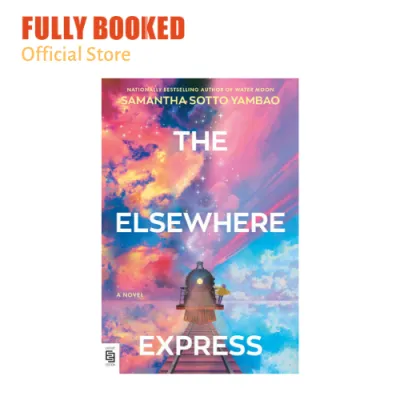
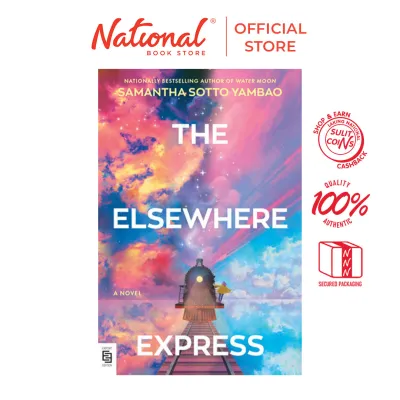
Prices are valid at publication and may change. Please refer to the product page for the latest price.
Beyond the setting, the emotional tone and pacing of a novel play a crucial role in your reading satisfaction. Many stories in this niche lean toward a cozy, atmospheric, or bittersweet tone, where the focus is on character growth and emotional resolution rather than high-stakes action. The pacing is often episodic, allowing you to explore different characters’ lives and struggles through a series of smaller, interconnected vignettes. Recognizing whether you prefer this gentle, reflective pace or a more driving, plot-centered narrative will help you narrow down your options.
Character dynamics and archetypes also define this reading experience. You might find yourself searching for stories featuring enigmatic guides, reluctant travelers, or a cast of strangers who form temporary, meaningful connections. These relationships often highlight themes of empathy, shared humanity, and mutual healing. By identifying these core preferences—whether it is the whimsical setting, the gentle emotional tone, or the poignant character interactions—you establish a clear set of criteria that will guide you to your next favorite book.
Exploring English Novels with Matching Themes
Once you have defined your core preferences, you can begin mapping them to established English literary subgenres. The English-language publishing market offers a vast array of cozy fantasy, low fantasy, and magical realism novels that share thematic DNA with stories of magical transit and emotional healing. When searching for these books, look beyond the standard fantasy shelves and explore categories like contemporary speculative fiction or literary fantasy. These subgenres frequently feature the quiet, introspective storytelling and subtle magical elements you are looking for.

To evaluate whether an English novel matches your desired tone, pay close attention to book descriptions, publisher blurbs, and reader reviews. Look for specific keywords and phrases such as “found family,” “bittersweet journey,” “atmospheric prose,” “magical realism,” and “healing fiction.” Reader reviews on community platforms can be incredibly helpful for gauging the actual mood of a book, as they often describe the emotional impact of the story and whether the pacing feels cozy or fast-paced. Avoid relying solely on high-level genre labels, which can sometimes group high-stakes epic fantasies with gentle, character-driven tales.
When you find a promising English title, it is essential to check its publication details to ensure regional availability. International editions can vary significantly in terms of cover art, formatting, and distribution rights. You can verify whether a book is officially distributed in your region by checking the websites of major local book distributors or international publishers’ regional catalogs. Ensuring that the book has an active distribution channel in the Philippines prevents the frustration of discovering a perfect title only to find that shipping costs or import restrictions make it difficult to acquire.
Additionally, utilizing online book databases and digital library catalogs can streamline your search. Many platforms allow you to search using highly specific tags or user-curated lists, such as “magical cafes,” “mysterious journeys,” or “cozy speculative fiction.” By combining these search terms with your identified preferences, you can generate a tailored list of candidate novels. This systematic approach ensures that you select books that truly align with your reading goals rather than relying on generic bestseller lists that may not match your specific taste.
Discovering Tagalog and Taglish Literary Alternatives
If you prefer to read in Tagalog or Taglish, you will find a rich and vibrant landscape of local Philippine literature that beautifully captures similar emotional resonance and speculative themes. Contemporary Philippine fiction has seen a significant rise in speculative stories, urban fantasy, and magical realism that reflect local culture and sensibilities. These works often blend modern daily life with elements of folklore, mythology, and the supernatural, creating a unique reading experience that feels both familiar and magical.
To find local alternatives, it helps to translate your favorite English tropes into Philippine cultural contexts. For instance, the concept of a magical train or a mysterious transit stop might manifest as a mystical jeepney ride through the streets of Metro Manila, a hidden barangay that only appears under specific weather conditions, or a quiet cafe tucked away in a provincial town where patrons can speak with spirits. These localized settings add a layer of cultural depth and emotional authenticity, as they touch on shared experiences, local traditions, and the unique rhythms of daily life in the Philippines.
Local publishers, independent presses, and university imprints are excellent starting points for discovering these gems. Many independent publishers in the Philippines dedicate themselves to championing local speculative fiction, anthologies, and graphic novels that explore magical realism. By browsing the catalogs of these specific publishers, you can find high-quality Tagalog and Taglish stories that might not receive mainstream international marketing but offer incredible depth, beautiful prose, and deeply moving narratives that rival any global bestseller.
Furthermore, engaging with local literary communities and independent book fairs can open doors to self-published or small-press works that are rich in speculative themes. Many Filipino authors write compelling Taglish novels that seamlessly blend English and Tagalog, reflecting the natural way many readers speak and think. These stories often capture the nuances of modern relationships, personal struggles, and cultural identity with a high degree of relatability. Exploring these local avenues not only helps you find unique stories but also deepens your connection to the vibrant Philippine literary scene.
Verifying Language Editions and Book Formats
When you have identified a book you want to read, verifying that you are purchasing the correct language edition and format is a crucial step. This is especially important when dealing with books that may have multiple international editions, translations, or regional variations. To ensure accuracy, always check the International Standard Book Number (ISBN) and the publisher metadata listed on the book’s detail page. The ISBN is a unique identifier that corresponds to a specific edition, language, and format, allowing you to confirm exactly what you are buying.
It is also beneficial to compare the availability of physical books, e-books, and audiobooks across different platforms. While physical paperbacks remain a favorite for many, digital formats often offer immediate access and can bypass regional shipping delays. When looking for Tagalog or Taglish books, keep in mind that digital availability can sometimes vary compared to English editions. Some local publishers offer e-book versions through specialized digital storefronts or global e-reading platforms, so checking multiple formats can help you find the most convenient way to enjoy the story.
As you search, be vigilant against unauthorized translations or machine-translated editions, which have become increasingly common on unverified online marketplaces. These unauthorized copies often feature poorly translated text that ruins the flow, tone, and emotional impact of the original story. To avoid these, look for red flags such as a lack of official publisher logos, missing copyright pages, unusually low prices, or awkward phrasing in the book description. Purchasing only from authorized publishers and recognized retailers guarantees that you receive a high-quality, professionally edited text.
Sourcing and Purchasing Books Safely
Acquiring your books safely requires navigating reliable retail channels and avoiding counterfeit physical copies or illegal digital downloads. In the Philippines, major local bookstore chains and their official online storefronts are the most secure options for purchasing physical books. Many of these retailers have dedicated sections for local literature, speculative fiction, and international bestsellers. When shopping online, always ensure you are visiting the retailer’s verified website or their official, verified store page on major ecommerce platforms to avoid third-party sellers offering counterfeit goods.
If you prefer borrowing books or want to explore titles before committing to a purchase, public and university library catalogs are invaluable resources. Many academic and public libraries in the Philippines have expanded their collections to include contemporary local fiction, speculative anthologies, and popular English novels. Some libraries also offer digital borrowing services, allowing you to access e-books and audiobooks directly from your personal device. Utilizing these library services is an excellent, cost-effective way to support the literary ecosystem while accessing high-quality reading materials.
When shopping on online marketplaces, it is vital to recognize the red flags of pirated physical books. Counterfeit books are often sold at unusually low prices—such as a paperback listed for under ₱100 when the official retail price is closer to ₱500 or more. These pirated copies typically suffer from poor print quality, blurry cover art, thin or low-grade paper, and frequent typographical errors. Similarly, avoid downloading free digital copies from unauthorized file-sharing websites, as these files often contain malware and deny authors their rightful royalties.
By choosing to purchase from authorized bookshops, independent publishers, and official author storefronts, you directly contribute to the livelihood of the creators who write the stories you love. Supporting the legitimate publishing industry ensures that authors have the financial stability to continue writing, and that publishers can continue investing in diverse, high-quality English and Tagalog literature. This conscious approach to book buying protects your devices, guarantees a superior reading experience, and helps sustain a thriving literary community.
Frequently Asked Questions (FAQ)
Are there official Tagalog translations of popular English novels?
Yes, there are official Tagalog translations of select popular English novels, though they are typically limited to major bestsellers or classic literature. To verify if an official translation exists, check the original publisher’s website or the social media pages of prominent local publishing houses in the Philippines, as they often announce official translation partnerships. Always purchase these editions from authorized bookstores to ensure you are reading a professionally translated version rather than an unauthorized fan translation, which may lack quality control and proper licensing.
How can I support local Tagalog authors writing similar stories?
You can support local Tagalog and Taglish authors by purchasing their books directly from official author storefronts, independent local publishers, or recognized bookstores. Attending local book fairs, literary festivals, and independent publishing conventions is another fantastic way to discover new writers and buy their work directly. Additionally, leaving positive reviews on book community platforms, sharing your favorite local reads on social media, and requesting their titles at your local library help increase their visibility and encourage publishers to support more local speculative fiction.
Community discussion
Share your experience or ask a question. Comments are reviewed before publication.