
Finding specific Philippine legal texts like ‘Civil Law is a Journey’ on digital platforms requires navigating a unique publishing landscape. Unlike general fiction or international textbooks, local legal treatises, bar review materials, and codified law commentaries are often published in limited runs by specialized academic presses or local legal publishers. Transitioning to digital reading for these niche titles involves understanding where authorized digital copies are hosted, how to verify their contents, and how to configure your devices for intensive study. By adopting a systematic approach to searching, verifying, and organizing your digital library, you can build a highly portable and efficient legal reference system that supports your academic or professional goals.
Understand Digital Formats for Philippine Legal Texts
When transitioning from physical law books to digital editions, the format of the file significantly impacts how you study and reference the material. The two primary formats you will encounter are reflowable eBooks (typically in ePub format) and fixed-layout documents (usually PDFs). Each format serves a distinct purpose, and understanding their differences is essential for legal research.
Reflowable ePub files allow the text to adapt to any screen size, making them highly readable on smartphones and smaller e-readers. You can adjust the font size, line spacing, and background color to suit your preferences, which reduces eye strain during long study sessions. However, because the text reflows dynamically, page numbers change depending on your display settings. This can present a significant challenge in legal studies, where precise page citations are required for court briefs, academic papers, and classroom recitations.
Products mentioned in this guide
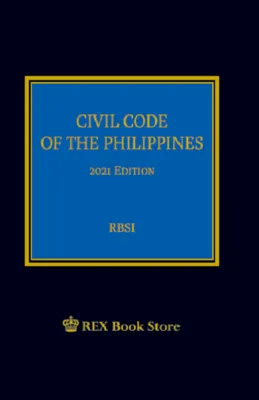

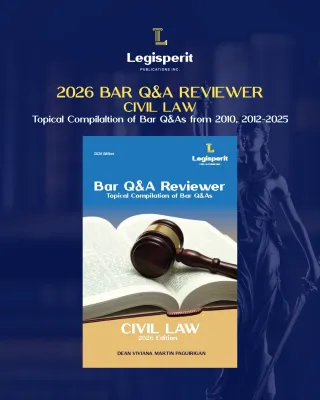
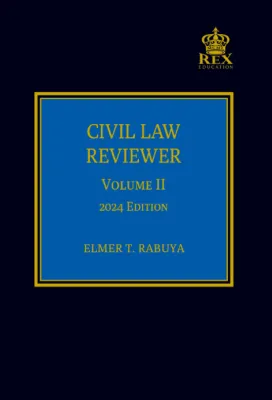
![Compendious Bar Reviewer on Civil Law: Based on Bar Exam Syllabus [Law Books] 2026 by Dean Nilo T. Divina](https://img.lazcdn.com/g/p/7250fc3d6eb78737200de82633c95ecf.jpg_400x400q80.jpg_.webp)
Prices are valid at publication and may change. Please refer to the product page for the latest price.
Fixed-layout PDFs, on the other hand, preserve the exact pagination and formatting of the printed book. This ensures that a specific page in your digital copy matches the physical copy used by a professor or colleague. PDFs are also better suited for displaying complex legal tables, structured flowcharts, and extensive footnotes that are common in comprehensive civil law commentaries. The trade-off is that PDFs do not scale automatically, requiring you to zoom and scroll if you are reading on a smaller screen.
Beyond individual file formats, you must also consider the access model. Some platforms offer outright purchases, giving you a perpetual license to download and read a specific title on your personal devices. Other services operate on a subscription-based model, granting access to a vast database of legal texts, supreme court decisions, and administrative regulations for a recurring fee. For highly specific titles like ‘Civil Law is a Journey’, verifying whether the book is sold individually or bundled within an institutional database is a crucial first step.
Finally, device compatibility plays a major role in your reading experience. Legal texts are dense and require active reading, which involves highlighting, writing margin notes, and cross-referencing multiple sources simultaneously. While a standard e-ink e-reader is excellent for continuous reading under bright tropical sunlight, a high-resolution tablet with stylus support or a dual-monitor computer setup is often more practical for managing complex legal documents and writing detailed case digests.
Where to Search for Niche Law Books in the Philippines
Locating authorized digital copies of niche Philippine law books requires targeting specialized channels rather than relying on general search engines. The local legal publishing industry relies on a few established institutions and commercial publishers, and searching their official platforms is the most reliable way to find legitimate copies.

Official publishers and university presses are the primary sources for digital legal literature. Major local legal publishers have developed their own digital storefronts and proprietary e-reader applications to distribute their catalogs. Additionally, academic institutions like the University of the Philippines Law Center, the Ateneo de Manila University Press, and other prominent law school publications regularly release specialized monographs and bar review materials. Checking the digital publications section of these university portals often yields titles that are unavailable on mainstream global platforms.
Academic and institutional legal databases represent another vital resource, particularly for law students and practicing attorneys. Many universities and law schools subscribe to comprehensive digital libraries that host local legal journals, supreme court decisions, and administrative regulations. If you have access to a university library account or a professional membership with local bar associations, explore these portals to see if the specific title you need is included in their digital collections.
Mainstream online bookstores and global eBook platforms, including Google Play Books, Apple Books, and Kobo, occasionally host independent legal publications and study guides. When searching these platforms, it is important to configure your account region to the Philippines. Many local authors and independent publishers restrict their digital distribution to the local market due to licensing and copyright considerations. If your account is set to a foreign region, these niche titles may not appear in your search results.
Step-by-Step Guide to Searching and Acquiring Your Title
Once you know where to look, following a structured search and acquisition workflow will help you secure the correct digital title efficiently and safely.
First, utilize precise search operators to filter out irrelevant search results. When looking for a specific book like ‘Civil Law is a Journey’, enclose the title in quotation marks in your search engine or digital bookstore search bar. This instructs the search algorithm to look for the exact phrase rather than displaying every book that contains the words “civil,” “law,” or “journey.” Additionally, include the author’s full name or surname and, if available, the International Standard Book Number (ISBN). The ISBN is a unique identifier that ensures you find the exact book and edition you require, eliminating confusion with similarly named study guides or lecture notes.
Second, check the availability status of the digital title. Some niche law books may be listed on publisher websites but marked as “out of stock” or “print only.” Conversely, some newer publications are released as digital-only editions or are available for pre-order before the physical copies hit the shelves. If a title is out of print, look for authorized digital archives or institutional repositories that may host scanned, searchable copies of the text under controlled digital lending terms.
Third, complete the transaction securely using recognized local payment methods. Most digital platforms operating in the Philippines accept local credit and debit cards, as well as popular e-wallets. Before entering your payment details, verify that the website uses secure encryption. Once the purchase is complete, confirm that the digital license or file has been successfully delivered to your account library. Avoid downloading files from unverified file-sharing networks or online forums; these unauthorized copies are often outdated, incomplete, and may expose your device to security risks.
Verifying Edition, Compatibility, and Access Rights
Before finalizing your purchase, it is critical to verify that the digital book meets your specific academic or professional requirements and is compatible with your reading setup.
The most important factor to verify is the publication year and edition number. Philippine law is dynamic, with frequent legislative amendments, administrative regulations, and landmark Supreme Court decisions reshaping the legal landscape. For instance, a civil law textbook must reflect recent amendments to the Family Code, property laws, or the rules of procedure. Studying from an outdated edition can lead to critical errors in your recitations, exams, or legal pleadings. Never rely solely on the cover image displayed on a digital storefront, as platforms often use outdated placeholder graphics; instead, read the product specifications and copyright page details carefully.
Next, review the Digital Rights Management (DRM) restrictions associated with the eBook. Publishers use DRM to protect their intellectual property, but these rules can affect how you use the book. Check how many devices you can register under a single license; some platforms limit access to two or three devices, which can be restrictive if you use a phone, tablet, laptop, and desktop. Additionally, check if there are restrictions on copying text or printing pages. If you rely on copying passages to compile your personal case digests or study outlines, a highly restrictive DRM policy may hinder your workflow.
Finally, confirm the language options and region-lock status of the digital file. While most Philippine law books are written in English, some reference materials may include bilingual explanations or local terminology. Ensure that the file format is compatible with your specific e-reader device or application. Some proprietary formats only work within a specific publisher’s app, meaning you cannot read them on a standard Kindle or Kobo e-reader. Verifying these compatibility details beforehand prevents the frustration of purchasing a book you cannot easily access.
Setting Up Your Digital Reading Environment
Optimizing your digital reading environment is essential for managing the dense, complex information found in Philippine law books. A well-organized setup allows you to study more efficiently and retain key legal concepts.
Start by selecting an e-reader application that supports advanced study features. Standard reading apps are often insufficient for legal texts, which require active engagement. Look for applications that offer robust highlighting tools, color-coded annotations, and the ability to write detailed margin notes. Some advanced PDF readers allow you to extract your highlighted text and notes into a separate document, which is incredibly useful for creating study outlines and bar exam reviewers. Popular options include Adobe Acrobat, LiquidText, MarginNote, and GoodNotes, depending on your device’s operating system.
Next, establish a seamless synchronization routine across your devices. Legal study often happens in various environments—you might read a chapter on your tablet during a long commute in Manila traffic, review your highlights on your phone while waiting between classes, and compile your notes on your laptop at your desk. Utilizing cloud storage services ensures that your reading progress, highlights, and annotations are updated in real-time across all your registered devices.
Finally, manage your digital storage and establish a reliable backup routine. High-resolution legal PDFs, scanned documents, and annotated textbooks can quickly consume your device’s internal storage. Regularly organize your files, archive completed subjects, and back up your personal annotations and case digests to an external drive or secure cloud storage. Losing your study notes due to a device failure or an unexpected software update can set your studies back significantly, making regular backups an indispensable part of your digital workflow.
Frequently Asked Questions (FAQ)
Can I read purchased law eBooks offline?
Yes, most digital reading platforms allow you to read purchased law eBooks offline once you have fully downloaded the file to your authorized device. This is particularly useful for studying during commutes or in areas with unstable internet connections. However, some platforms with strict Digital Rights Management (DRM) require your device to connect to the internet periodically—such as once every 30 days—to verify your digital license and active subscription status.
Are digital law books cheaper than physical copies in the Philippines?
Digital law books are often priced lower than their physical counterparts because they eliminate the costs associated with paper, printing, binding, and physical shipping, which can add ₱100 to ₱300 to the price of a heavy textbook. However, the final price depends heavily on the publisher’s pricing strategy, platform transaction fees, and whether the book is sold as an individual title or as part of a bundled institutional database subscription.
What if the specific title is not available in a digital format?
If a niche title like ‘Civil Law is a Journey’ is not officially available in a digital format, you can check if your university library offers controlled digital lending or secure digital reserves. You can also contact the publisher directly to express interest in a digital release, as customer demand often influences publishing decisions. If no digital option exists, purchasing the authorized physical copy remains the most reliable way to ensure you have access to accurate and complete legal information.
Community discussion
Share your experience or ask a question. Comments are reviewed before publication.