
Finding the perfect pocket book tagalog romance novel is a deeply personal journey that connects you to the rich, vibrant world of Filipino popular literature. For decades, these compact paperbacks have been a staple of local culture, offering readers a quick escape into stories of love, heartbreak, and triumph. Because specific titles frequently rotate in popularity and physical availability, the most effective way to find highly regarded stories is to identify trusted local publishers, acclaimed authors, and subgenres that align with your reading taste.
Whether you are a lifelong fan of local romance or a newcomer curious about the genre, understanding how to navigate the vast landscape of Tagalog pocket books will help you make informed choices. By focusing on the structural elements of these books, evaluating author track records, and matching your personal preferences with popular local tropes, you can easily build a collection of stories that resonate with you. This guide provides a practical framework to help you evaluate, select, and source quality pocket books that deliver a satisfying and authentic reading experience.
Understanding the Tagalog Pocket Book Format and Reading Experience
To fully appreciate a pocket book tagalog romance, it is helpful to understand the unique physical and narrative characteristics that define this format. Unlike standard trade paperbacks or hardcovers, local pocket books are specifically designed for portability and mass accessibility. They typically feature compact physical dimensions, often measuring around 4 by 6 inches, making them easy to slip into a bag or hold comfortably during a daily commute. The page count is generally concise, usually ranging from 120 to 250 pages, which allows for a fast-paced reading experience that can easily be completed in a single sitting.
Products mentioned in this guide
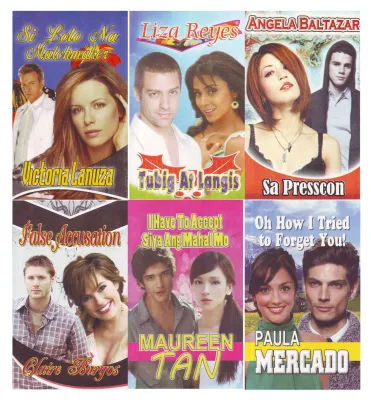
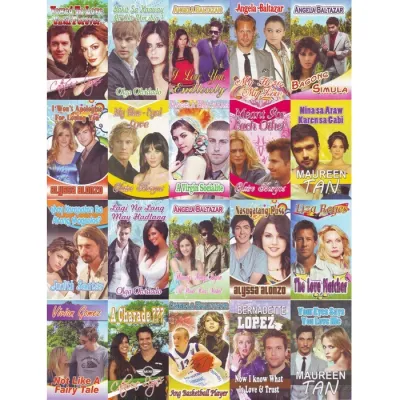
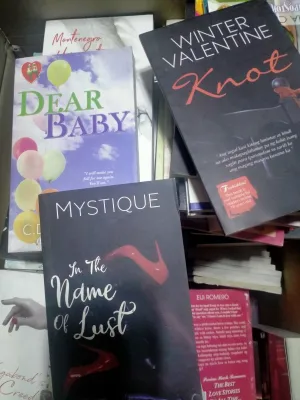
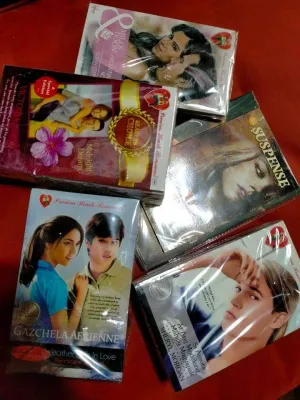

Prices are valid at publication and may change. Please refer to the product page for the latest price.
Because these books are produced for the mass market, they are traditionally printed on lightweight newsprint or low-cost paper. In the tropical climate of the Philippines, this type of paper requires careful handling, as it is highly sensitive to humidity and natural aging. Despite their modest physical materials, the value of these books lies in their highly engaging, emotionally driven narrative structures. The story progression is designed to hook the reader immediately, with short chapters that advance the plot rapidly and maintain a high level of emotional tension from the very first page.
The linguistic style of Tagalog pocket books is another defining element of the reading experience. Depending on the publisher and the target audience, the language can range from formal, poetic Tagalog to a highly conversational blend of Tagalog and English, commonly known as Taglish. Many modern titles incorporate regional colloquialisms and contemporary slang, reflecting the authentic way people communicate in daily life. This linguistic flexibility not only makes the stories highly relatable but also offers a fascinating window into modern Filipino culture and social dynamics.
How to Evaluate and Select High-Quality Romance Titles
With thousands of titles available, selecting a high-quality pocket book tagalog romance requires a systematic approach rather than relying solely on eye-catching cover art or dramatic back-cover blurbs. One of the most reliable indicators of quality is the reputation of the publisher or imprint. Established local publishers maintain dedicated editorial teams, ensuring that the text undergoes thorough proofreading, copyediting, and formatting before publication. By choosing books from long-running, reputable imprints, you minimize the risk of encountering distracting typographical errors, inconsistent pacing, or poorly structured plots.

Another effective strategy is to leverage the collective knowledge of local book communities and social media reading groups. Filipino readers are highly active online, frequently sharing detailed, unbiased reviews of their favorite releases. Before purchasing a title, search these communities for discussions regarding the book’s pacing, character development, and emotional payoff. Pay attention to reviews that describe how well the author handles conflict resolution, as a satisfying ending is a hallmark of a well-crafted romance novel.
Evaluating the author’s track record is also crucial when building your reading list. Prolific writers in the local romance scene often develop distinct writing styles, thematic preferences, and character archetypes. If you find a story that resonates with you, research the author’s other works, as many writers specialize in specific subgenres or write interconnected series where characters from previous books make guest appearances. Recognizing these staple writers allows you to discover a steady stream of reliable content.
Finally, always check for content advisories or publisher ratings printed on the cover or the copyright page. Tagalog romance novels cover a wide spectrum of emotional intensity and mature themes, ranging from lighthearted, wholesome courtships to intense, high-angst dramas with mature situations. Ensuring that the book’s themes align with your personal comfort level and current reading mood will prevent disappointment and ensure a highly enjoyable reading experience.
Matching Your Preferences with Popular Local Romance Tropes
The diverse world of Tagalog romance offers a wide variety of storytelling styles, making it easy to find books that match your specific preferences once you understand the common tropes and settings. A primary distinction to consider is the overall tone of the story. If you prefer lighthearted, humorous, and comforting narratives, look for sweet or wholesome romances that focus on playful banter, gentle courtships, and feel-good resolutions. Conversely, if you enjoy intense emotional journeys, seek out high-angst storylines characterized by deep emotional conflicts, family opposition, or dramatic misunderstandings that test the characters’ resolve.
The setting of the novel plays a significant role in grounding the narrative and shaping the characters’ experiences. Many beloved Tagalog pocket books are set in idyllic provincial locations, capturing the charm of rural life, close-knit communities, and traditional values. Other stories are set against the fast-paced backdrop of corporate Metro Manila, exploring modern professional dynamics, office romances, and the challenges of balancing career ambitions with personal relationships. Additionally, narratives focusing on the experiences of Overseas Filipino Workers (OFWs) are highly popular, offering poignant explorations of long-distance love, sacrifice, and the emotional complexities of living abroad.
Character dynamics and plot devices are also central to the appeal of these novels. The enemies-to-lovers trope remains a perennial favorite, featuring characters who start with mutual dislike but gradually discover a deep connection through forced proximity or shared challenges. Reconnecting childhood friends, arranged marriages, and second-chance romances are also widely utilized devices that allow authors to explore themes of loyalty, growth, and the enduring nature of love. By identifying which of these dynamics you find most compelling, you can easily narrow down your choices to the titles most likely to satisfy your reading tastes.
Where to Source Authentic Copies and Verify Editions
To support local authors and publishers, it is essential to source authentic copies of Tagalog pocket books and avoid unauthorized reproductions. Physical bookstores, local newsstands, and official publisher outlets remain excellent places to find both the latest releases and classic reprints. Visiting physical stores allows you to inspect the books firsthand, ensuring that you are purchasing legitimate editions with proper licensing and high-quality printing.
When shopping online, navigating e-commerce platforms and digital marketplaces requires extra vigilance. Always verify that you are purchasing from authorized sellers, official publisher storefronts, or reputable independent book dealers. Look for official verification badges, positive customer feedback, and realistic product descriptions. Be cautious of listings offering bulk digital scans or extremely cheap photocopied versions, as these are unauthorized reproductions that violate copyright laws and deprive local creators of their rightful earnings.
You can easily verify the authenticity of a physical pocket book by examining its print quality and construction. Authentic copies feature crisp, legible typography, consistent margins, and high-quality cover illustrations with clear details. The binding should be secure, with pages firmly glued to the spine, preventing them from detaching during normal handling. In contrast, counterfeit or pirated copies often exhibit blurry text, uneven margins, low-resolution cover images, and weak bindings that deteriorate rapidly. Investing in authentic editions guarantees a superior reading experience while contributing to the sustainability of the local publishing industry.
Frequently Asked Questions (FAQ)
Are Tagalog pocket books suitable for readers still learning the language?
Yes, Tagalog pocket books are highly effective tools for language learners seeking to improve their reading comprehension and vocabulary. Because many modern titles utilize conversational Tagalog and Taglish, they expose readers to the natural, everyday language spoken in the Philippines. This makes them far more practical for learning contemporary communication than formal academic textbooks. Learners can use context clues, familiar English loanwords, and straightforward sentence structures to follow the plot easily, gradually building their confidence and linguistic fluency.
How can I keep my paperback collection in good condition?
Preserving mass-market paperbacks in a tropical climate requires proactive care to prevent damage from high humidity, heat, and pests. Store your books in a cool, dry place away from direct sunlight, which can cause the covers to fade and the pages to yellow prematurely. Ensure adequate airflow around your bookshelves to minimize the risk of mold growth. When reading, handle the spine gently to avoid cracking the binding, use proper bookmarks instead of folding page corners, and store books vertically to prevent warping over time.
Are digital or e-book versions available for these titles?
Yes, many local publishers have embraced digital publishing, making a wide selection of Tagalog romance titles available in e-book formats. To access these digital editions legitimately, check the official websites of established publishers or authorized digital book platforms. Before making a purchase, verify the file format, device compatibility, and any digital rights management (DRM) restrictions to ensure the e-book will display correctly on your preferred e-reader, tablet, or smartphone.
Community discussion
Share your experience or ask a question. Comments are reviewed before publication.