
Finding the best Tagalog romance pocket books to add to your reading list is not about chasing a static list of out-of-print titles, but rather understanding how to navigate trusted publishers, identify your preferred subgenres, and verify the authenticity and condition of physical copies. By focusing on established imprints and learning how to evaluate individual releases, you can build a highly satisfying collection that brings the warmth, humor, and emotional depth of local storytelling right to your bookshelf. These compact novels have long been a staple of local literary culture, offering accessible, emotionally resonant narratives that reflect familiar settings and cultural nuances. Whether you are a lifelong collector or a newcomer looking to dive into local romance, establishing a clear selection strategy ensures that every book you purchase delivers a satisfying reading experience.
The appeal of these pocket-sized paperbacks lies in their ability to capture the unique rhythm of daily life, local humor, and deep emotional connections. Unlike foreign romance novels, which often feature unfamiliar cultural backdrops and social norms, Tagalog romance pocket books speak directly to the local experience. They explore themes of family duty, perseverance, and love against backdrops that readers recognize instantly, from quiet provincial towns to the bustling, traffic-laden streets of metropolitan areas. To build a collection that truly resonates with you, it is helpful to understand the diverse landscape of this literary format and how to make informed purchasing decisions.
Identifying Your Preferred Tagalog Romance Subgenres
To begin your collecting journey, it is essential to understand the different subgenres that define the Tagalog romance landscape. While all these books center on romantic relationships, the tone, setting, and narrative style can vary significantly. By identifying which subgenres align with your personal reading preferences, you can streamline your search and avoid purchasing books that do not match your current mood or interests.
Products mentioned in this guide
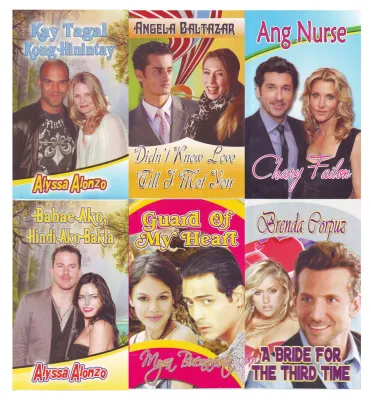
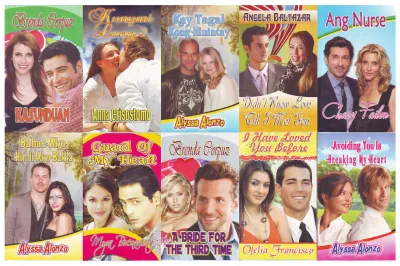
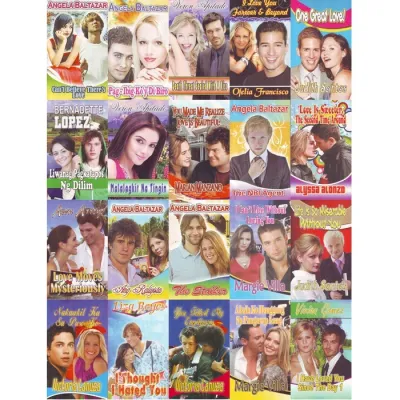
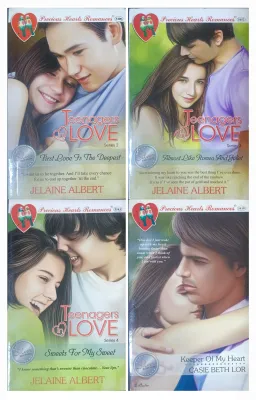
Prices are valid at publication and may change. Please refer to the product page for the latest price.
Classic melodrama remains one of the most enduring subgenres in local romance literature. These stories typically feature high-stakes emotional conflicts, stark class divides, family opposition, and intense, dramatic dialogues. The protagonists often face seemingly insurmountable obstacles, and the narrative relies heavily on emotional tension and dramatic confrontations. If you enjoy stories that offer a deep sense of emotional catharsis and focus on the triumph of love over societal expectations, classic melodrama is an excellent starting point.
In contrast, modern contemporary romance offers a lighter, more relatable reading experience. These novels are often set in contemporary urban environments and feature working-class or professional protagonists dealing with modern dating dilemmas, career ambitions, and independent lifestyles. The dialogue in contemporary romance frequently incorporates “Taglish”—a natural blend of Tagalog and English—reflecting how modern urbanites actually communicate. These books often lean into romantic comedy, offering witty banter, humorous misunderstandings, and a more casual, fast-paced narrative style.
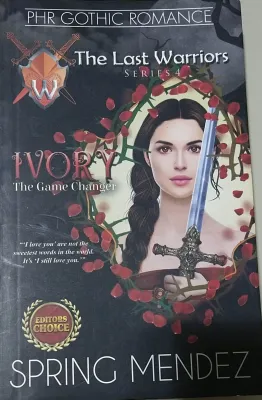
Another popular subgenre is fantasy-romance and gothic romance, which introduces supernatural elements, local folklore, or historical settings into the romantic plot. These stories might feature elements of local mythology, time travel, or mysterious ancestral homes, blending romantic tension with suspense and adventure. This subgenre is perfect for readers who want to escape into highly imaginative worlds while still enjoying a central love story.
Understanding these subgenres allows you to set clear reading goals. Whether you are looking for quick, light escapism during a long daily commute, a deeply emotional story to read on a rainy afternoon, or rare vintage editions to add to a growing physical archive, recognizing these narrative styles will guide you toward the right titles.
Recognizing Trusted Publishers and Classic Romance Lines
Navigating the vast world of Tagalog romance pocket books is significantly easier when you familiarize yourself with the major publishers and their flagship imprints. For decades, a few key publishing houses have dominated the local market, establishing rigorous editorial standards and nurturing talented writers. Recognizing these trusted names is the most reliable way to ensure a high-quality reading experience.

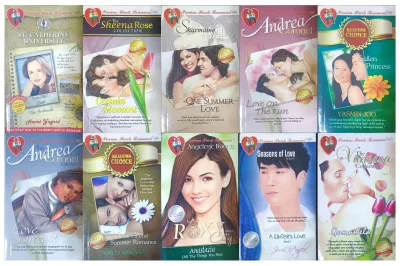
Precious Hearts Romances is widely regarded as the most prominent and long-running imprint in the history of Tagalog pocket books. Established in the early 1990s, it has published thousands of titles and launched the careers of many beloved local authors. This imprint is known for its diverse range of subseries, catering to different age groups and thematic preferences. Another highly recognized imprint is My Special Valentine, which has also built a massive catalog of romantic stories over the years. By starting your search with these established imprints, you benefit from professional editing, consistent print quality, and well-structured plots.
You can often identify the target audience and overall tone of a pocket book simply by analyzing its cover art and branding. Publishers use distinct visual cues to help readers quickly categorize their releases. For instance, pastel-colored covers featuring soft, illustrated characters or whimsical typography typically indicate sweet, lighthearted contemporary romances suitable for younger or general audiences. On the other hand, covers featuring dramatic photographic portraits, darker color palettes, or bold, metallic lettering often signal mature themes, intense melodramas, or romantic suspense. Paying attention to these design choices helps you make quick, accurate judgments when browsing book stalls.
For collectors seeking nostalgic reads, tracking down out-of-print or vintage series from the 1990s and early 2000s is a rewarding pursuit. These older editions often feature unique cover designs, traditional hand-painted illustrations, and a more formal style of Tagalog prose. Many publishers organized their classic lines into numbered series or dedicated author collections, making it easier for collectors to track their progress. Understanding the history of these classic lines allows you to appreciate how the genre has evolved over the decades while helping you identify rare gems for your personal library.
How to Evaluate and Select Your Next Read
With thousands of titles available, selecting your next read requires a practical evaluation process. Instead of choosing books at random or relying solely on eye-catching covers, you can use a few key criteria to assess individual titles before adding them to your cart or digital bookshelf.
First, check the publication date and edition of the book. The language style, cultural references, and social norms depicted in Tagalog romance novels have evolved significantly over the years. Older books, particularly those published before the 2000s, often feature more formal Tagalog vocabulary and traditional courtship dynamics. Newer releases, conversely, reflect contemporary social realities, modern technology, and colloquial language patterns. Checking the copyright page helps you align your expectations with the book’s writing style and cultural context.
Second, evaluate the author’s reputation and seek community feedback rather than relying entirely on the short synopsis printed on the back cover. Many local romance writers have developed distinct writing styles, thematic preferences, and dedicated fan bases. If you find a book that interests you, look up the author’s name on reader forums, online book clubs, or social cataloging websites. Reading reviews and ratings from fellow enthusiasts provides valuable insights into the plot’s pacing, character development, and overall quality, helping you avoid formulaic or poorly resolved stories.
Third, inspect the physical condition and print quality of the book, especially if you are purchasing secondhand copies. Pocket books are traditionally printed on softcover newsprint, which is highly susceptible to wear and tear. Examine the spine for deep creases or cracking, which can lead to loose pages. Flip through the book to ensure there are no missing pages, severe water stains, or excessive ink fading. Poor print quality, such as misaligned text or blurry fonts, can cause eye strain and detract from your reading enjoyment. Taking a few moments to verify these physical details ensures that your purchase remains a durable and readable addition to your collection.
Sourcing Authentic Copies and Avoiding Pirated Prints
To support the local publishing industry and ensure that authors receive their rightful royalties, it is crucial to source authentic copies of Tagalog romance pocket books. The market for these novels has faced significant challenges from unauthorized reproductions, making it important for readers to know where to shop and how to spot counterfeit prints.
The most reliable way to purchase authentic pocket books is through official channels. Whenever possible, visit physical bookstores, official publisher websites, or authorized flagship stores on major online marketplaces. Many established publishers maintain direct-to-consumer online storefronts, offering their entire active catalog, including new releases and popular reissues. Buying directly from these authorized sources guarantees that you receive high-quality, legally printed books while directly supporting the creators.
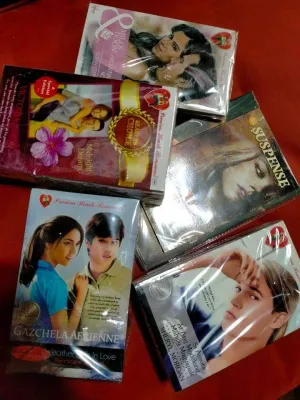
When shopping in informal markets, online classifieds, or unverified digital storefronts, you must remain vigilant against pirated copies. Counterfeit pocket books are common and often display several distinct red flags. The most obvious indicator is an unusually low price; if a book is being sold for a fraction of its standard retail price (for example, ₱15 to ₱25 for a brand-new release), it is highly likely to be an unauthorized copy. Other physical red flags include blurry or pixelated cover art, extremely thin or rough paper, uneven margins, and the complete absence of official publisher logos, copyright pages, or security holograms.
If you are searching for rare, out-of-print, or discontinued titles that are no longer available through official retail channels, verified secondhand book communities and local book bazaars are excellent alternatives. Many passionate collectors buy, sell, and trade books through dedicated social media groups and online forums. When participating in these communities, always verify the seller’s reputation by checking feedback from previous buyers. Request detailed, high-resolution photos of the book’s cover, spine, copyright page, and interior pages to confirm its authenticity and physical condition before finalizing any transaction.
Preserving and Organizing Your Pocket Book Collection
Once you begin building your collection of Tagalog romance pocket books, proper storage and organization are essential to maintain the quality of your library. Because these books are typically printed on softcover newsprint, they require specific care to withstand environmental factors and remain readable for years to come.
The tropical climate of the Philippines, characterized by high humidity and warm temperatures, poses a significant threat to softcover books. Excess moisture in the air can cause pages to yellow rapidly, warp, or develop mold and mildew. To protect your collection, store your books in airtight plastic storage bins rather than open wooden shelves, which can absorb moisture. Place several silica gel packets inside each bin to absorb residual humidity. Additionally, keep your storage containers in a cool, dry area away from direct sunlight, damp walls, and insect activity.
Organizing your growing library with a systematic cataloging method prevents accidental duplicate purchases and helps you track your reading progress. You can create a simple digital spreadsheet or use a dedicated book-tracking mobile application to log your collection. Categorize your books by author, publisher, subgenre, and reading status (such as read, unread, or wishlist). Having an updated digital catalog on your phone is incredibly convenient when browsing physical book stalls or online marketplaces, allowing you to quickly check if you already own a specific title.
Finally, consider joining local reader communities to enhance your collecting experience. These groups offer a welcoming space to share book reviews, discuss favorite plotlines, and exchange recommendations. Many communities also organize book swaps, allowing you to trade finished titles for new reads, which is an affordable and sustainable way to keep your reading list fresh. Engaging with fellow enthusiasts not only helps you discover hidden literary gems but also connects you with a supportive network of readers who share your passion for local romance literature.
Frequently Asked Questions (FAQ)
Are Tagalog romance pocket books suitable for language learners?
Yes, Tagalog romance pocket books are highly effective tools for language learners seeking to improve their conversational skills. Unlike formal academic textbooks, which often focus on rigid grammatical structures and archaic vocabulary, these novels utilize colloquial language, everyday idioms, and modern slang. Reading these stories helps learners understand how Tagalog is naturally spoken in daily life, improving their comprehension of casual dialogue and cultural nuances. It is helpful to keep a dictionary nearby to look up unfamiliar terms and phrases as you read.
How can I tell if a pocket book is an original or a pirated copy?
You can identify an authentic pocket book by examining its physical construction and print quality. Original editions feature crisp, clear typography, consistent margin alignments, and secure binding glue that keeps the pages firmly attached to the spine. The paper quality, while typically newsprint, is uniform and smooth to the touch. Additionally, authentic copies always include a complete copyright page with detailed publisher information, registration numbers, and often an official security hologram or stamp. Pirated copies, by contrast, frequently have blurry text, rough or unevenly cut paper, and missing publisher details.
Do publishers still release new Tagalog romance pocket books today?
Yes, local publishers continue to release new Tagalog romance pocket books, though the industry has adapted to modern reading habits. While physical paperbacks remain popular and are regularly stocked in major bookstores and official online shops, many publishers have expanded their offerings to include digital formats. Readers can now access new releases and classic titles through official e-book platforms and subscription services. Some publishers also utilize print-on-demand models for niche titles, ensuring that modern readers can enjoy their favorite stories in whichever format they prefer.
Community discussion
Share your experience or ask a question. Comments are reviewed before publication.