
Finding a captivating story that balances sharp-witted banter with intense emotional stakes often leads readers to the heated rivalry trope. Whether it is two top-tier students competing for a single scholarship, corporate ladder-climbers vying for the same promotion, or athletes facing off on the court, the friction between competitors creates an undeniable spark. For readers in the Philippines, this trope is widely available in both English and Tagalog, offering two distinct reading experiences. English novels often deliver fast-paced, direct confrontations set in global environments, while Tagalog novels infuse these competitive dynamics with deep-seated local values, family expectations, and the unmistakable charm of local romance.
Choosing the right book requires understanding how these stories are structured, where to find them, and how to evaluate their quality. By exploring the nuances of both languages, you can discover novels that not only satisfy your craving for high-stakes tension but also resonate with your personal reading preferences. This guide provides a comprehensive framework for identifying, searching, and selecting the best heated rivalry books available in English and Tagalog.
Defining Your Preferred Heated Rivalry Dynamics
To find a book that truly engages you, it is essential to first define the specific type of rivalry that appeals to your reading tastes. The heated rivalry trope is incredibly versatile, spanning several distinct sub-genres, each with its own set of emotional stakes and narrative structures. Academic rivalries, for instance, often focus on high-achieving students competing for grades, class rankings, or prestigious university admissions. These stories typically feature witty banter, late-night study sessions, and a gradual realization that their competitor is the only one who truly understands the pressure they face.
Products mentioned in this guide
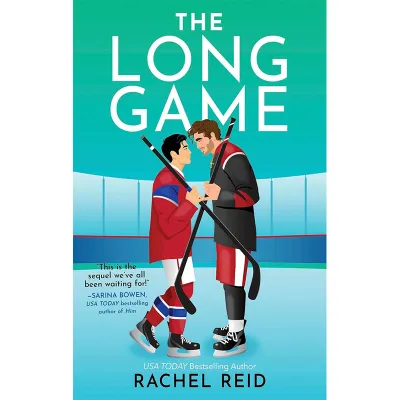


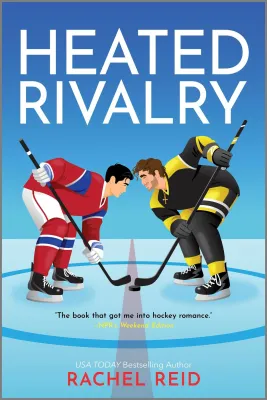
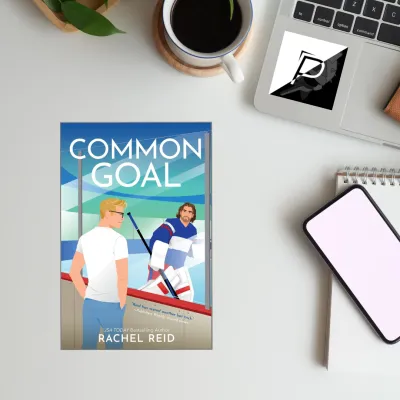
Prices are valid at publication and may change. Please refer to the product page for the latest price.
Professional and workplace rivalries shift the setting to corporate offices, laboratories, or creative studios. Here, the stakes are tied to career survival, financial independence, and professional recognition. The tension in these novels is often driven by power dynamics, professional jealousy, and the challenge of maintaining boundaries when attraction begins to blur the lines of competition. Sports rivalries, on the other hand, bring physical intensity and team loyalty into the mix, where the characters must balance their personal feelings with their drive to win on the field or court.
Beyond the setting, the emotional intensity of the rivalry can vary significantly. Some readers prefer a lighthearted, enemies-to-lovers dynamic filled with playful teasing and low-stakes competition. Others seek out high-tension narratives where the characters genuinely dislike each other initially, and the path to reconciliation requires overcoming deep-seated misunderstandings or past betrayals. Identifying the level of angst, banter, and emotional vulnerability you enjoy will help you narrow down your choices.
Cultural context also plays a massive role in shaping how these rivalries unfold. In English-language literature, characters often operate with a high degree of individualism, focusing on personal ambition and direct, unfiltered communication. In contrast, Tagalog rivalry novels frequently weave in complex social dynamics, such as family obligations, socioeconomic differences, and community expectations. The rivalry is rarely just between two individuals; it often involves their families, friends, and social circles, adding layers of external pressure that make the eventual resolution even more satisfying.
How to Search for English and Tagalog Rivalry Novels
Locating the perfect rivalry novel across two different languages requires a strategic approach to searching digital platforms and physical bookstores. When browsing online bookstores, digital libraries, or global reading applications, utilizing specific trope tags is the most efficient way to filter search results. Instead of searching broadly for romance or drama, use precise keywords such as “enemies to lovers,” “academic rivals,” “office competitors,” or “sports romance.” Many digital platforms allow you to combine these tags with language filters, helping you isolate English or Tagalog titles that match your exact criteria.

For readers looking specifically for Tagalog rivalry novels, exploring local digital publishing platforms and online writing communities is highly effective. Many contemporary Filipino authors publish their work serialized online before these stories are picked up by traditional publishers. When searching these platforms, look for localized tags such as “tagalog romance,” “taglish rivals,” or specific genre categories dedicated to local fiction. Paying attention to user-generated lists and curated reading shelves on these platforms can also lead you to hidden gems that might not appear in mainstream search results.
If you prefer physical books, navigating the local literature sections of major bookstores in the Philippines is a rewarding experience. Local publishers often have dedicated shelves or sections clearly marked for Philippine publications, contemporary local romance, or young adult fiction. Take the time to browse the catalogs of independent local publishers, as they frequently champion unique voices and modern takes on classic tropes. Many of these publishers maintain active online storefronts where you can browse their entire inventory by genre or theme.
Another avenue to explore is the availability of translated editions. Several highly popular English-language rivalry novels have been officially translated into Tagalog or Taglish to cater to local readers. To find these, check the websites of local publishing houses that specialize in licensing international titles. These translated editions are often listed with both their original English titles and their localized Tagalog titles, making them easy to identify. Comparing the availability of both versions allows you to choose the language format that best suits your reading habits.
Evaluating Language Quality and Cultural Nuance
When selecting a rivalry book, the linguistic style and cultural authenticity of the writing are crucial to your overall enjoyment. For translated works, the quality of the translation can make or break the reading experience. A high-quality Tagalog translation of an English novel should preserve the original tension and humor without feeling stiff or overly literal. Pay attention to how dialogue is handled; natural-sounding conversations that capture the rhythm of everyday speech are essential for maintaining the emotional resonance of a heated rivalry.
Original Tagalog rivalry novels offer a unique cultural flavor that cannot be replicated in translation. These books often ground their stories in familiar local settings, such as bustling university campuses in Manila, corporate offices in major business districts, or close-knit provincial communities. The characters’ motivations and obstacles are deeply tied to local realities, such as navigating heavy traffic, balancing part-time work to support family members, or dealing with strict parental expectations. Recognizing and appreciating these cultural nuances adds a layer of depth and relatability that enhances the reading experience.
Language proficiency and reading comfort are also important personal factors to consider. Some readers find that reading in English allows them to appreciate fast-paced, sharp dialogue and modern slang, while others prefer the emotional depth, warmth, and expressive nature of Tagalog prose. Tagalog literature often excels at conveying emotional depth and romantic excitement. If you enjoy stories that lean heavily into emotional vulnerability and dramatic tension, original Tagalog novels or Taglish adaptations may offer a more satisfying experience.
Ultimately, the choice between English and Tagalog often comes down to your current reading mood and how you wish to experience the story. Some readers enjoy alternating between the two, using English novels for fast-paced, plot-driven rivalries and turning to Tagalog novels when they want a more emotionally immersive, culturally resonant story. By understanding your own linguistic preferences and evaluating the quality of the text, you can ensure that your chosen book delivers the exact reading experience you desire.
Verifying Book Formats and Local Availability
Before finalizing your purchase, it is important to verify the availability of your chosen book in your preferred format and ensure it can be easily sourced locally. Physical books remain a favorite for many collectors, but the tropical climate of the Philippines presents unique challenges. High humidity can cause pages to yellow, warp, or develop foxing over time. If you prefer physical paperbacks or hardcovers, consider how you will store them, or look for high-quality editions with durable paper stock.
For those looking to save space and protect their library from environmental wear, e-books and audiobooks are excellent alternatives. Digital formats offer instant delivery, adjustable font sizes, and the convenience of carrying an entire library on a single device. When purchasing e-books, verify device compatibility and file formats to ensure they will work seamlessly on your e-reader, tablet, or smartphone. Additionally, check if the digital platform you are using has regional restrictions, as some international titles may not be immediately available for purchase in the Philippines.
When sourcing books, always verify publisher details and edition specifications to ensure you are getting a complete, authorized copy. This is particularly important for translated works or books published by independent local presses, where multiple editions or print runs may exist. Check the product description for details on page count, language (whether it is full Tagalog, English, or Taglish), and whether the book includes any special bonus chapters or author notes that might not be present in standard editions.
To purchase your selected titles, explore a variety of local sourcing options. Major national bookstore chains carry a wide selection of international English titles and mainstream Tagalog novels. For independent publications, self-published works, or niche translations, look to local online marketplaces, independent book distributors, and direct storefronts operated by local publishers. Many of these sellers offer reliable shipping options across Luzon, Visayas, and Mindanao, ensuring that readers outside major metropolitan areas can still access their favorite rivalry books.
Frequently Asked Questions (FAQ)
Are there specific content warnings I should check for heated rivalry books? (FAQ)
Yes, checking for content warnings is highly recommended, as the intense nature of the heated rivalry trope can sometimes involve heavy emotional themes. Common themes in these novels include intense academic or workplace pressure, toxic family dynamics, bullying, gaslighting, or past trauma that fuels the characters’ competitive animosity. Reading about these situations can be challenging for some readers, so taking a moment to verify the book’s content beforehand ensures a safe and comfortable reading experience.
You can easily find content warnings by visiting the official website of the author or publisher, where detailed lists are often provided for each title. Additionally, community-driven book review platforms and reader forums are excellent resources, as many reviewers compile comprehensive lists of potential triggers in their descriptions. If you are purchasing a physical copy at a local bookstore, you can also check the back cover, the copyright page, or the author’s foreword, where content warnings are increasingly being included to assist readers in making informed choices.
How can I discover and support local authors writing Tagalog rivalry novels? (FAQ)
Discovering and supporting local Filipino authors who write Tagalog and Taglish rivalry novels is a fantastic way to enrich your reading list while contributing to the growth of the local publishing industry. One of the best ways to find these authors is by attending local book fairs, literary festivals, and independent publishing conventions held throughout the year in major cities. These events provide a unique opportunity to meet writers, purchase signed copies, and discover independent titles that may not be widely distributed in mainstream retail stores.
Following independent Philippine publishers and local self-published authors on social media is another highly effective strategy. Many local writers share updates about their upcoming releases, behind-the-scenes insights into their writing process, and links to where you can purchase their books directly. Additionally, joining local online reading communities, book clubs, and social media groups dedicated to Philippine literature allows you to connect with fellow readers, participate in discussions, and receive personalized recommendations for high-quality Tagalog rivalry novels.
Community discussion
Share your experience or ask a question. Comments are reviewed before publication.